English
 русский
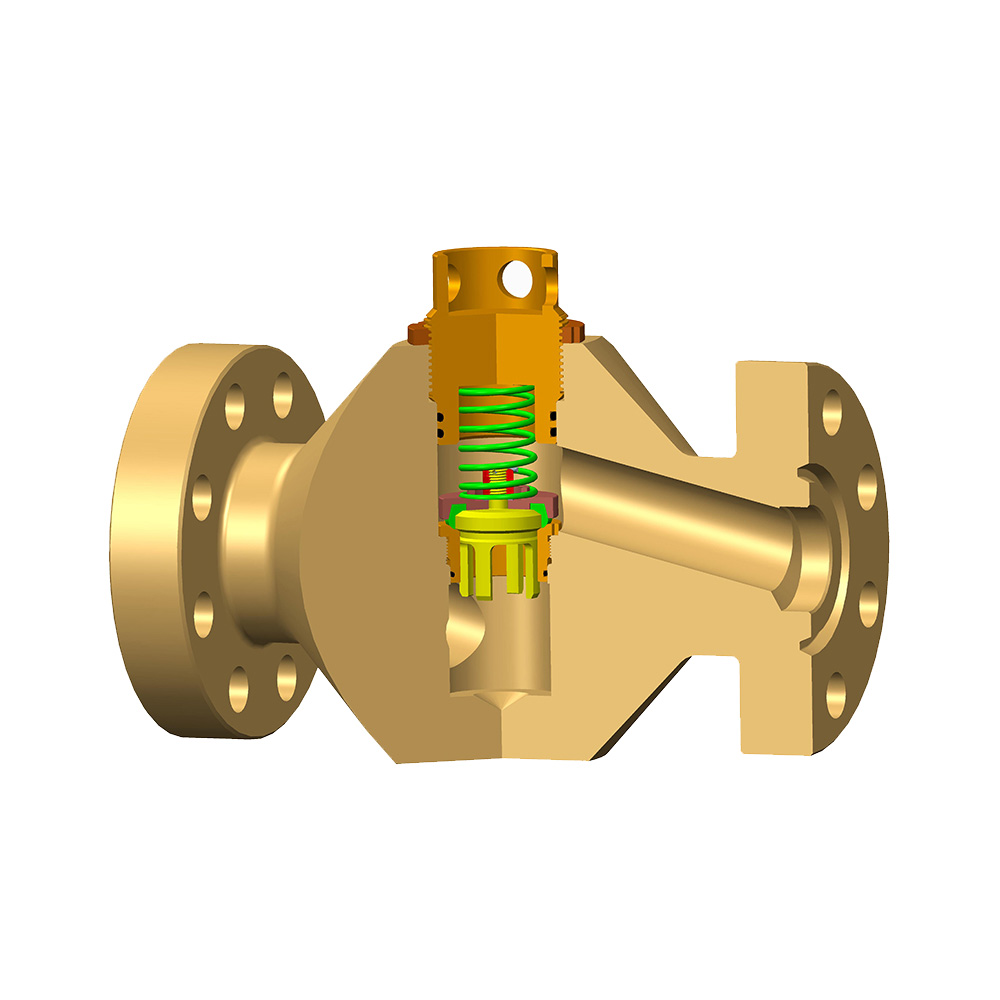
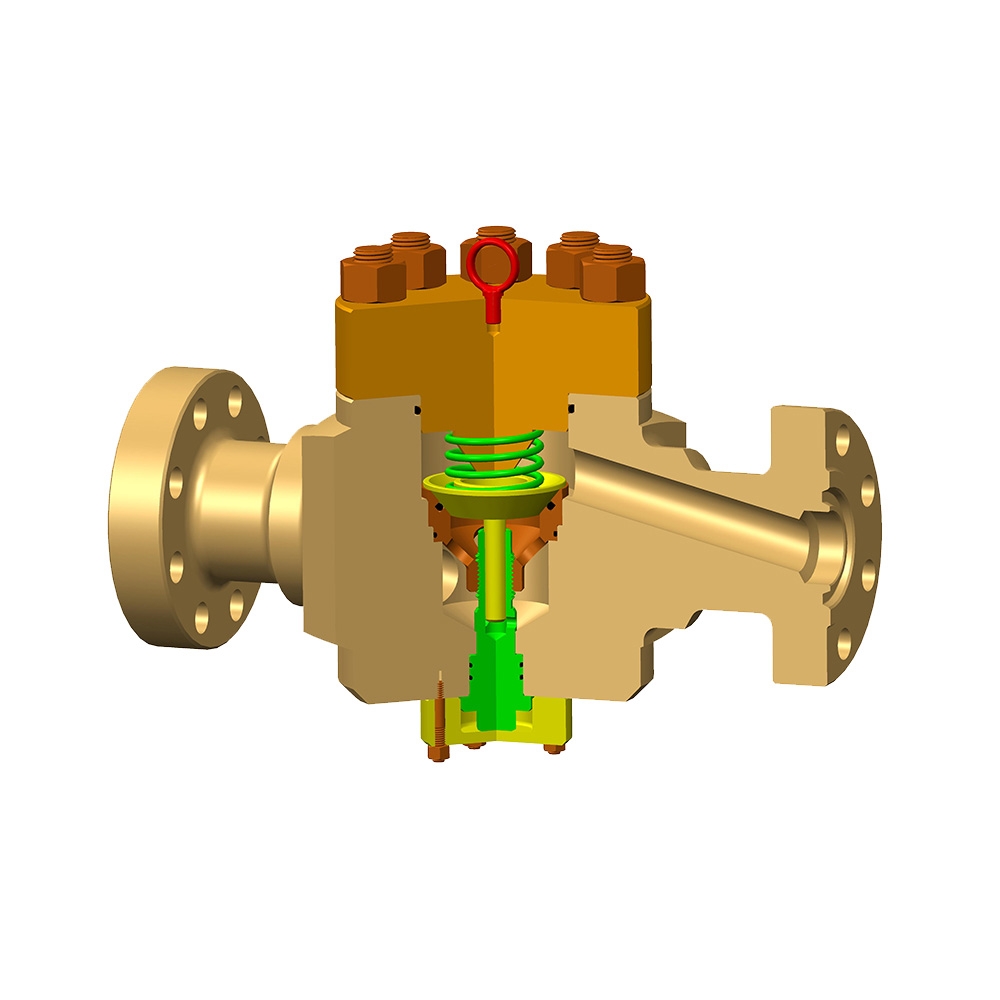
An Expanding Gate Valve (EGV) is a specialized type of valve designed primarily for use in high-pressure and high-temperature environments such as oil and gas wellheads. Its primary function is to provide a reliable sealing mechanism that ensures tight control over the flow of oil, gas, or other fluids within a well system. This valve is particularly important in operations where safety and the integrity of the system are crucial, such as oil exploration, production, and deepwater drilling.
Content
Understanding the Mechanism of an Expanding Gate Valve
The Expanding Gate Valve is a crucial component in the isolation of pressure zones within a wellhead assembly. Unlike conventional gate valves, which feature a solid gate that slides up and down between two seats, the EGV incorporates a gate that expands to create a seal. This expansion provides a more effective sealing action compared to traditional designs, especially in situations where extreme pressures are present.
The valve consists of a gate, which is a metal disc that is forced against the sealing surface by hydraulic or mechanical pressure. As the gate moves, it expands radially, increasing the contact area with the valve seats and thus forming a tight seal. This design helps to prevent leakage, even under high-pressure conditions commonly found in oil wellheads.
Applications of Expanding Gate Valves in Oil Wellheads
In the oil and gas industry, expanding gate valves are typically used in the following applications:
- Wellhead Isolation: EGVs are often installed on the blowout preventer stack or at the wellhead itself to isolate sections of the well for maintenance, repair, or shutdowns.
- Pressure Control: These valves help maintain the pressure balance within the well, preventing any unwanted influx of fluids that could lead to a blowout.
- Shut-in Applications: In the event of an emergency, an expanding gate valve can quickly seal off the well, providing a vital safety measure.
Advantages of Expanding Gate Valves
Compared to traditional gate valves, expanding gate valves offer several distinct advantages:
- Improved Sealing Capabilities: The expanding gate design provides a tighter, more reliable seal, reducing the risk of leaks and improving safety.
- Longer Lifespan: Due to the enhanced sealing, EGVs are less prone to wear and tear, which leads to a longer operational life in demanding environments.
- Higher Pressure Handling: EGVs are designed to handle extreme pressures, making them ideal for deepwater and high-pressure wells.
Challenges with Expanding Gate Valves
While expanding gate valves are highly effective in many applications, they do come with some challenges:
- Cost: The complexity of their design and the materials required for high-pressure performance can make expanding gate valves more expensive than traditional gate valves.
- Maintenance: Although they generally have a longer lifespan, EGVs require regular maintenance to ensure the seal remains intact and to prevent any mechanical failure.
Comparison with Other Types of Valves
In order to better understand the unique capabilities of expanding gate valves, it's helpful to compare them with other common types of valves used in the oil and gas industry:
1. Ball Valves
- Ball valves are generally used for applications requiring quick on/off flow control. However, they are not as effective in high-pressure isolation applications as expanding gate valves.
2. Globe Valves
- Globe valves are effective for regulating flow but tend to wear down quickly in high-pressure settings, unlike expanding gate valves, which excel in such environments.
Frequently Asked Questions (FAQ)
1. How do expanding gate valves work under high-pressure conditions?
Expanding gate valves rely on a mechanism where the gate expands to create a tighter seal as pressure increases. This ensures that the valve can handle the extreme pressures typical in oil well operations without leaking.
2. What maintenance is required for expanding gate valves?
Regular inspection is necessary to ensure the sealing elements are intact. In addition, the hydraulic or mechanical actuation systems should be checked periodically to ensure they are functioning properly.
3. Are expanding gate valves suitable for all types of oil wells?
While expanding gate valves are particularly suited for high-pressure and high-temperature environments, they may not be the most cost-effective solution for all oil wells. In less demanding situations, other valve types may be more suitable.
4. How do expanding gate valves compare to traditional gate valves?
Expanding gate valves provide superior sealing and pressure control, making them ideal for high-pressure applications. Traditional gate valves may not offer the same level of sealing and could be more prone to leakage in extreme conditions.
Conclusion
The Expanding Gate Valve plays a vital role in maintaining safety and control in oil wellheads, particularly in high-pressure and high-temperature environments. Its unique design, which involves the expansion of the gate to form a tight seal, sets it apart from traditional gate valves. Despite the higher cost and maintenance requirements, the expanding gate valve offers superior sealing and pressure-handling capabilities, making it a preferred choice for critical oil and gas applications.