English
 русский
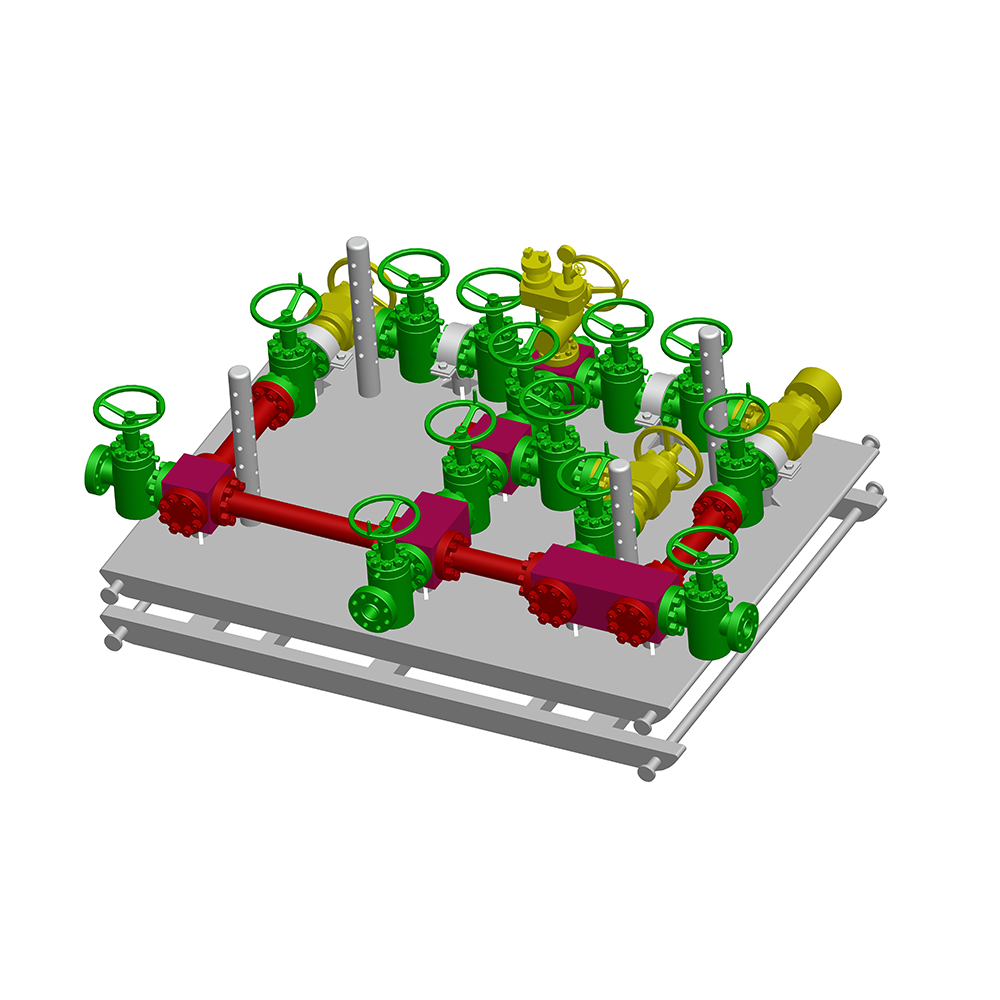
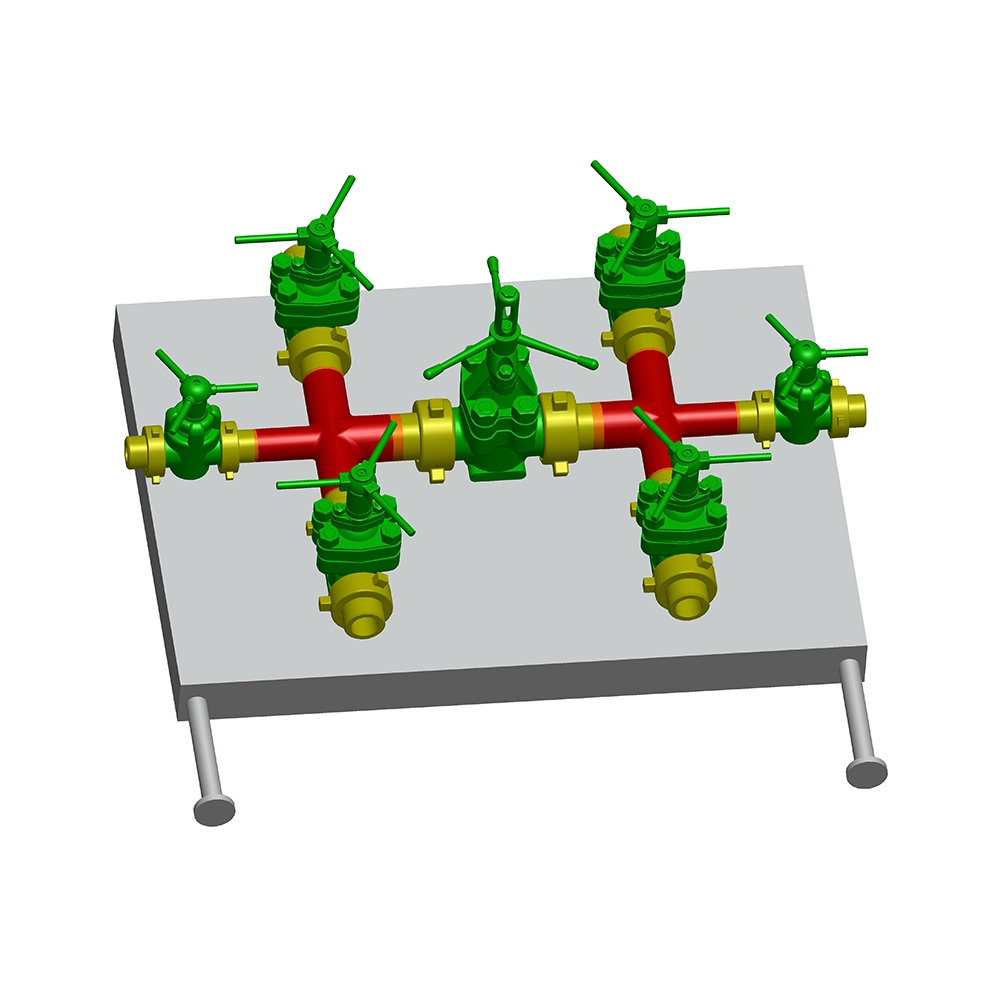
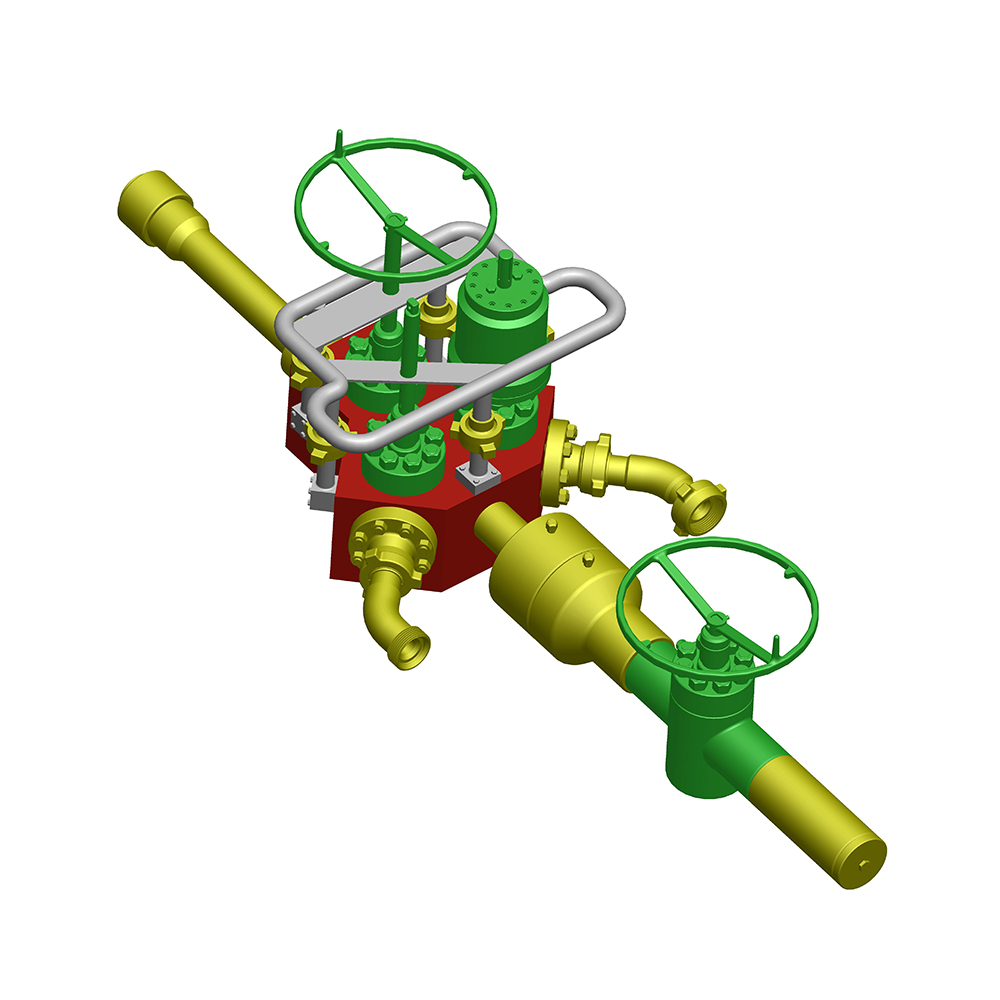
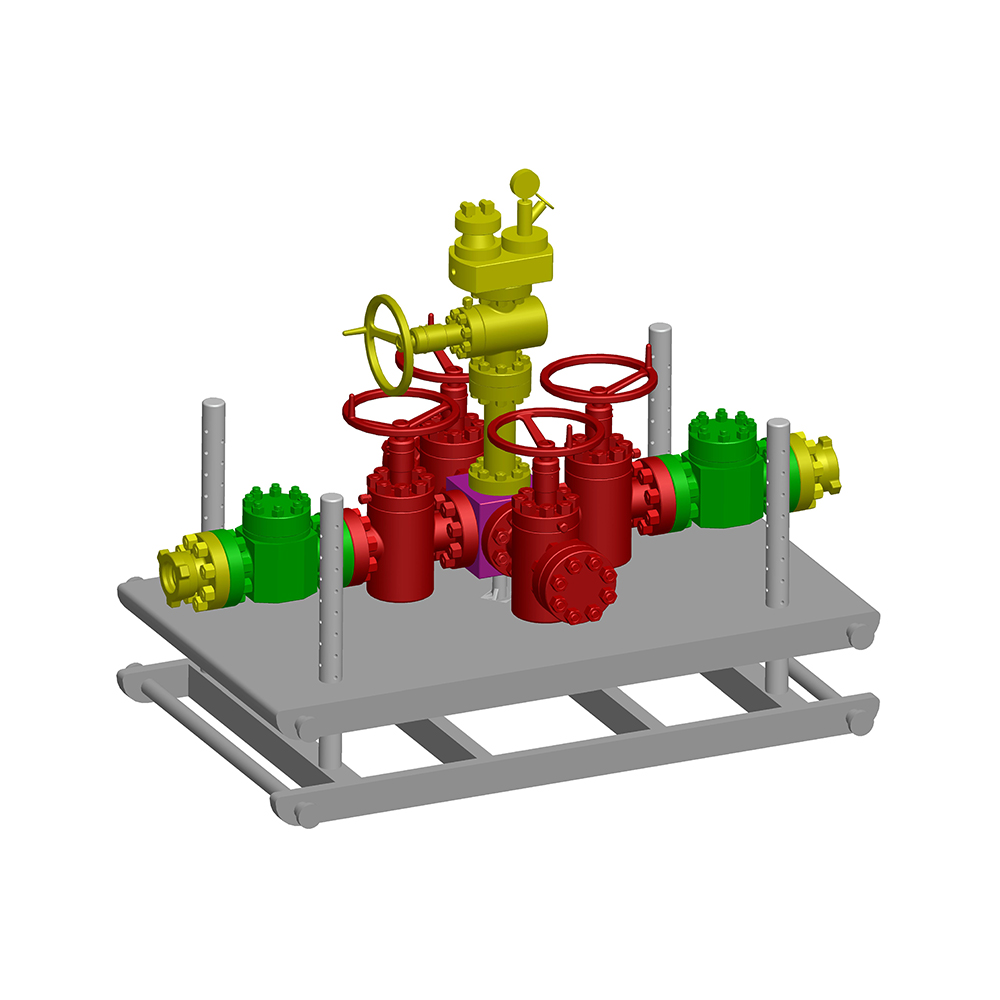
An Expanding Gate Valve is a critical component in the oil and gas industry, specifically designed for wellhead applications. Unlike conventional gate valves, expanding gate valves offer enhanced sealing, improved flow control, and higher reliability under high-pressure and high-temperature conditions. These valves are essential for maintaining operational safety, optimizing efficiency, and minimizing downtime in challenging extraction environments.
Content
- Key Features of Expanding Gate Valves
- How Expanding Gate Valves Improve Safety
- Efficiency Advantages of Expanding Gate Valves
- Comparison with Traditional Gate Valves
- Applications of Expanding Gate Valves
- Installation and Maintenance Tips
- Frequently Asked Questions (FAQ)
- 1. Can an expanding gate valve handle high-temperature fluids?
- 2. How does the expanding mechanism differ from traditional gate valves?
- 3. Are expanding gate valves suitable for subsea applications?
- 4. How often should an expanding gate valve be maintained?
- 5. Can expanding gate valves reduce overall operational costs?
- Conclusion
Key Features of Expanding Gate Valves
- Dual-sealing mechanism: The valve features an expanding wedge that creates a tight seal against the valve body, preventing leakage even under extreme pressures.
- High-pressure tolerance: Capable of withstanding pressures above 10,000 psi, suitable for deep well operations.
- Corrosion resistance: Constructed from premium materials such as stainless steel and alloy steel, often with special coatings to resist H2S, CO2, and other corrosive well fluids.
- Minimal torque operation: The expanding mechanism reduces the operating torque required, enhancing ease of maintenance and operational safety.
- Bi-directional flow: Can safely handle flow in both directions, increasing operational flexibility at the wellhead.
How Expanding Gate Valves Improve Safety
Safety is a paramount concern in wellhead operations. An Expanding Gate Valve enhances safety in several ways:
Leak Prevention
The expanding wedge mechanism ensures a tight seal even under high-pressure conditions. Traditional gate valves may develop leaks over time due to pressure fluctuations or wear. In contrast, expanding gate valves maintain integrity, reducing the risk of blowouts, hazardous spills, and environmental contamination.
Fire and Explosion Risk Reduction
By providing a reliable seal against hydrocarbons and other flammable well fluids, these valves significantly reduce the risk of ignition and explosion at the wellhead. This is particularly crucial in offshore and high-pressure gas wells.
Emergency Shutdown Capability
Expanding gate valves allow for faster and more reliable emergency shutdowns. Their design ensures that the valve closes completely under emergency conditions, providing an additional layer of safety for personnel and equipment.
Efficiency Advantages of Expanding Gate Valves
Beyond safety, these valves also contribute to operational efficiency in multiple ways:
Optimized Flow Control
The expanding gate design minimizes flow resistance when the valve is fully open. This allows for smoother fluid passage, reduces energy losses, and maintains higher production rates. Unlike traditional gate valves, which may create turbulence or flow restriction, expanding gate valves maintain consistent throughput.
Reduced Maintenance Downtime
Thanks to the lower operating torque and corrosion-resistant materials, expanding gate valves require less frequent maintenance. Operators can schedule inspections and servicing with minimal interruption to production, resulting in higher overall efficiency.
Long Service Life
The robust construction of these valves ensures durability under harsh well conditions, including abrasive particles, extreme pressures, and temperature fluctuations. A longer service life translates into fewer replacements, lower costs, and sustained operational efficiency.
Comparison with Traditional Gate Valves
| Feature | Traditional Gate Valve | Expanding Gate Valve |
|---|---|---|
| Sealing | Single wedge, prone to leakage | Dual expanding wedge, highly reliable |
| Operating Torque | High torque required | Low torque due to expanding mechanism |
| Flow Efficiency | Moderate, turbulence possible | High, smooth flow with minimal restriction |
| Maintenance | Frequent, especially under high pressure | Reduced, corrosion-resistant materials |
| Safety | Moderate, risk of leaks under pressure | High, leak-proof and emergency-ready |
Applications of Expanding Gate Valves
Expanding gate valves are widely used in wellhead assemblies, subsea systems, and high-pressure pipelines. Their reliability and efficiency make them suitable for:
- Oil and gas extraction wells
- Subsea production systems
- High-pressure injection pipelines
- Refinery and processing plants where precise shutoff is required
Installation and Maintenance Tips
To maximize the benefits of an Expanding Gate Valve at a wellhead:
- Ensure proper alignment during installation to prevent uneven wear on the expanding wedge.
- Use manufacturer-recommended lubricants and torque specifications.
- Regularly inspect seals and stems for wear, even though the valve is designed for low maintenance.
- Monitor operating conditions to prevent erosion or corrosion from abrasive or corrosive fluids.
Frequently Asked Questions (FAQ)
1. Can an expanding gate valve handle high-temperature fluids?
Yes, these valves are designed with materials capable of withstanding temperatures up to 400°C (752°F) depending on the specific design and application.
2. How does the expanding mechanism differ from traditional gate valves?
Traditional gate valves rely on a single wedge for sealing, which can deform under pressure. Expanding gate valves have a wedge that expands laterally, creating a tighter, more reliable seal that adapts to the valve body and prevents leaks.
3. Are expanding gate valves suitable for subsea applications?
Yes, many expanding gate valves are designed for subsea wellheads, offering bi-directional flow control, corrosion resistance, and reliable sealing under deepwater pressures.
4. How often should an expanding gate valve be maintained?
While these valves require less frequent maintenance than traditional valves, routine inspections are recommended every 12-24 months, depending on operating conditions and fluid characteristics.
5. Can expanding gate valves reduce overall operational costs?
Absolutely. Their long service life, minimal maintenance requirements, and efficiency in flow control contribute to lower operational costs and higher production uptime.
Conclusion
An Expanding Gate Valve plays a vital role in improving both safety and efficiency at wellheads. Its innovative design offers superior sealing, lower operating torque, longer service life, and reliable performance under extreme conditions. By reducing leak risks, optimizing flow, and minimizing maintenance downtime, expanding gate valves have become a preferred choice for modern oil and gas operations. The investment in these valves not only enhances wellhead safety but also contributes to sustained operational efficiency and cost savings.