English
 русский
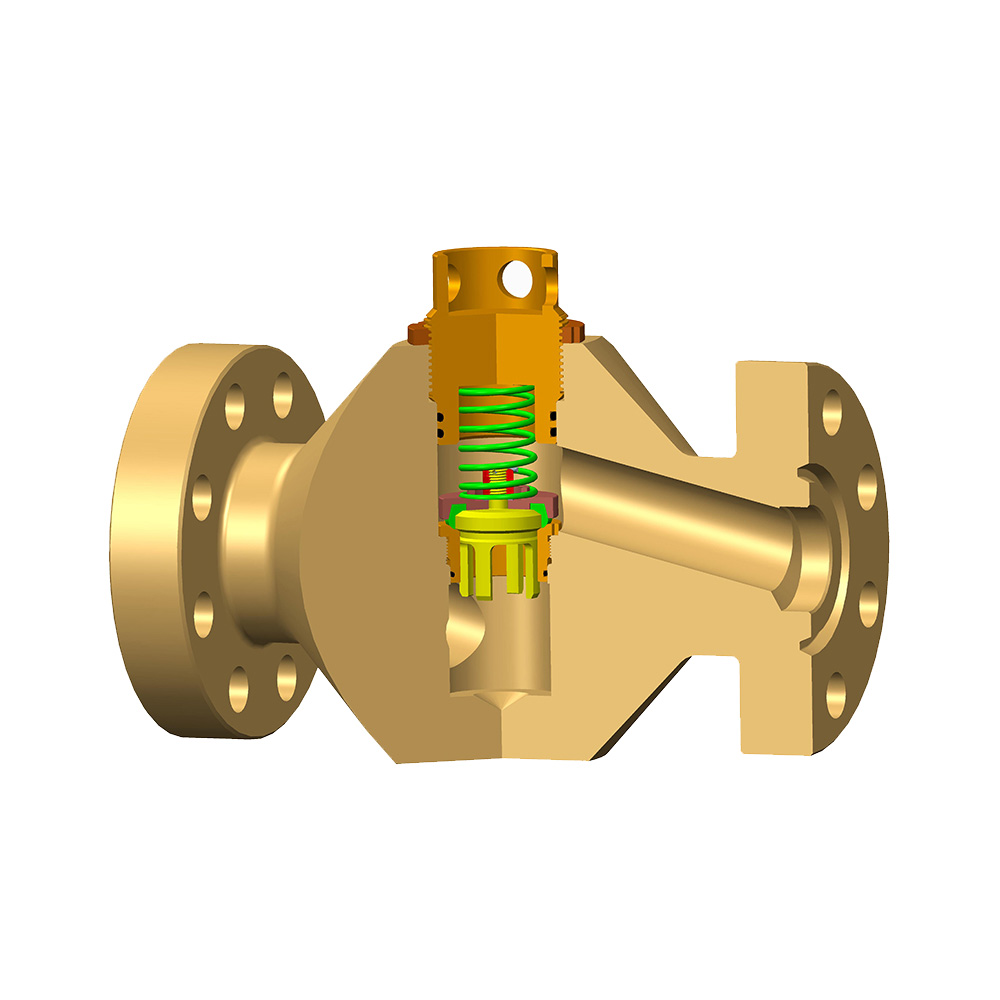
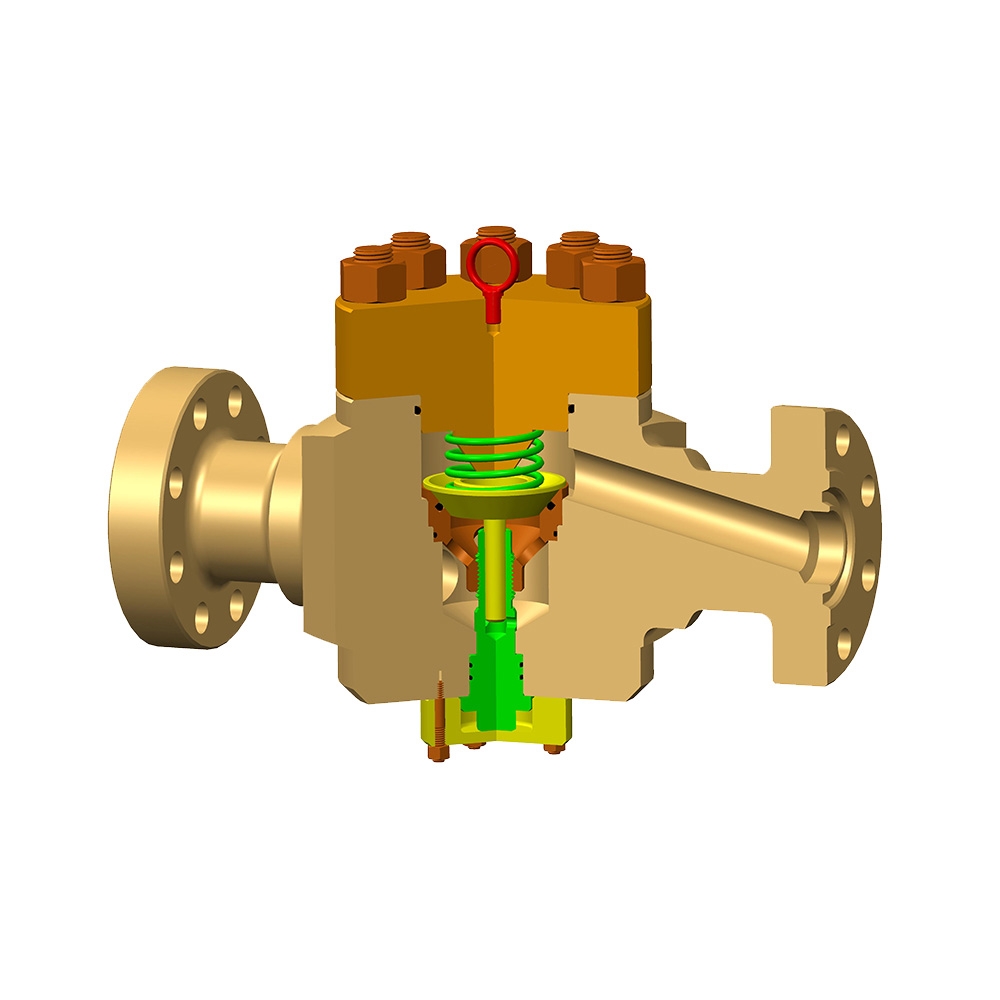
Expanding Gate Valves are widely recognized as critical flow control components in demanding industrial environments. Designed to provide a tight, bidirectional seal, these valves are especially valued in applications where zero leakage, high pressure, and abrasive media are key concerns. Their unique mechanical structure makes them different from conventional gate valves and positions them as a preferred solution across multiple industries.
From oil and gas pipelines to chemical processing plants, expanding gate valves play an essential role in ensuring operational safety, efficiency, and long-term reliability.
Content
- What Are Expanding Gate Valves?
- Oil and Gas Industry Applications
- Chemical and Petrochemical Industry Uses
- Power Generation Industry Applications
- Mining and Mineral Processing Applications
- Water and Wastewater Treatment Industry
- Comparison: Expanding Gate Valves vs. Other Valve Types
- Advantages of Using Expanding Gate Valves in Industrial Systems
- Selection Considerations for Expanding Gate Valves
- Frequently Asked Questions (FAQ)
- Future Trends in Expanding Gate Valve Applications
What Are Expanding Gate Valves?
Expanding gate valves use a two-piece gate mechanism that expands against the valve seats when fully closed. This expansion creates a mechanical seal rather than relying solely on line pressure, ensuring a tight shutoff even in low-pressure or fluctuating pressure conditions.
Key Design Characteristics
- Two-piece expanding gate that wedges against both seats
- Bidirectional sealing regardless of flow direction
- Minimal seat wear due to non-rubbing operation
- Excellent sealing performance in high-pressure environments
These features make expanding gate valves particularly suitable for critical isolation services where leakage cannot be tolerated.
Oil and Gas Industry Applications
The oil and gas sector is one of the largest users of Expanding Gate Valves. Their ability to maintain tight sealing under extreme pressure and temperature variations makes them indispensable.
Pipeline Isolation
Expanding gate valves are commonly installed in long-distance transmission pipelines to provide reliable isolation. Their mechanical sealing ensures:
- Zero leakage during shutdowns
- Consistent performance under high differential pressure
- Reduced maintenance requirements
Upstream Production Facilities
In upstream operations, including wellheads and gathering systems, expanding gate valves handle crude oil, natural gas, and multiphase fluids. Their robust design resists erosion from sand, debris, and corrosive substances.
Refineries and Processing Units
Within refineries, these valves are used in high-pressure process lines, hydrocarbon handling systems, and critical isolation points where safety and compliance are paramount.
Chemical and Petrochemical Industry Uses
Chemical processing plants demand valves that can handle aggressive media while maintaining precise flow control. Expanding Gate Valves meet these requirements effectively.
Handling Corrosive Fluids
When manufactured from corrosion-resistant alloys, expanding gate valves are ideal for acids, solvents, and reactive chemicals. Their tight shutoff helps prevent cross-contamination and leakage.
High-Temperature and High-Pressure Systems
Petrochemical operations often involve extreme operating conditions. Expanding gate valves maintain sealing integrity even during frequent thermal cycling.
Process Safety Applications
In safety-critical areas, these valves act as isolation barriers, helping to protect equipment and personnel during emergencies or maintenance procedures.
Power Generation Industry Applications
Power plants rely on dependable valves to manage steam, water, and fuel flows. Expanding gate valves are widely used in both conventional and renewable power generation facilities.
Steam and Feedwater Systems
In thermal power plants, expanding gate valves control high-pressure steam and feedwater lines. Their ability to provide tight shutoff reduces energy loss and enhances system efficiency.
Nuclear Power Facilities
Nuclear applications demand the highest standards of reliability and safety. Expanding gate valves are selected for critical isolation duties due to their proven sealing performance and durability.
Fuel Handling Systems
From coal slurry lines to natural gas supply systems, these valves offer reliable isolation and long service life.
Mining and Mineral Processing Applications
Mining operations present harsh conditions involving abrasive slurries and high mechanical stress. Expanding Gate Valves are well-suited for such environments.
Slurry and Tailings Pipelines
The non-rubbing gate design minimizes wear when handling abrasive mixtures of solids and liquids.
Ore Processing Plants
Expanding gate valves help isolate crushers, grinders, and flotation systems, improving maintenance efficiency and operational safety.
Water and Wastewater Treatment Industry
Although more commonly associated with heavy industries, expanding gate valves are also used in water-related applications where tight shutoff is required.
High-Pressure Water Transmission
In large-scale water distribution networks, these valves provide dependable isolation for maintenance and emergency shutdowns.
Industrial Wastewater Systems
Expanding gate valves are suitable for wastewater containing chemicals or suspended solids, ensuring long-term sealing reliability.
Comparison: Expanding Gate Valves vs. Other Valve Types
Expanding Gate Valves vs. Wedge Gate Valves
- Sealing: Expanding gate valves offer mechanical sealing; wedge gate valves rely on line pressure
- Leakage Risk: Lower in expanding gate valves
- Maintenance: Expanding gate valves typically require less frequent seat maintenance
Expanding Gate Valves vs. Ball Valves
- Application Size: Expanding gate valves are better suited for large-diameter pipelines
- Pressure Handling: Superior performance in high-pressure, critical isolation services
- Flow Characteristics: Full-bore design minimizes pressure drop
Expanding Gate Valves vs. Slab Gate Valves
- Sealing Mechanism: Mechanical expansion vs. pressure-assisted sealing
- Bidirectional Use: Expanding gate valves seal effectively in both directions
- Operating Conditions: Better suited for variable pressure environments
Advantages of Using Expanding Gate Valves in Industrial Systems
- Zero-leakage performance in critical applications
- Reliable operation under high pressure and temperature
- Reduced seat wear due to non-rubbing design
- Long service life in harsh environments
- Enhanced safety for personnel and equipment
Selection Considerations for Expanding Gate Valves
Choosing the right expanding gate valve requires careful evaluation of operating conditions and system requirements.
Key Factors to Consider
- Operating pressure and temperature range
- Type of media (corrosive, abrasive, toxic)
- Valve size and connection standards
- Material compatibility
- Maintenance accessibility
Frequently Asked Questions (FAQ)
What makes Expanding Gate Valves suitable for zero-leakage applications?
The mechanical expansion of the gate against both seats creates a positive seal independent of line pressure, significantly reducing leakage risk.
Can Expanding Gate Valves handle bidirectional flow?
Yes. Their design allows effective sealing in both flow directions, making them ideal for complex pipeline systems.
Are Expanding Gate Valves suitable for abrasive media?
Yes. The non-rubbing gate movement minimizes wear, making them well-suited for slurry and particulate-laden fluids.
How do Expanding Gate Valves perform under fluctuating pressure?
They maintain sealing integrity even when line pressure varies, unlike some conventional gate valves that rely on pressure-assisted sealing.
What industries benefit most from Expanding Gate Valves?
Oil and gas, chemical processing, power generation, mining, and industrial water systems benefit the most due to their demanding operating conditions.
Future Trends in Expanding Gate Valve Applications
As industries continue to prioritize safety, efficiency, and environmental protection, demand for Expanding Gate Valves is expected to grow. Advances in materials science, automation, and smart monitoring technologies are further expanding their application range.
With increasing pipeline infrastructure development and stricter leakage regulations worldwide, expanding gate valves are set to remain a key component in modern industrial flow control systems.