English
 русский
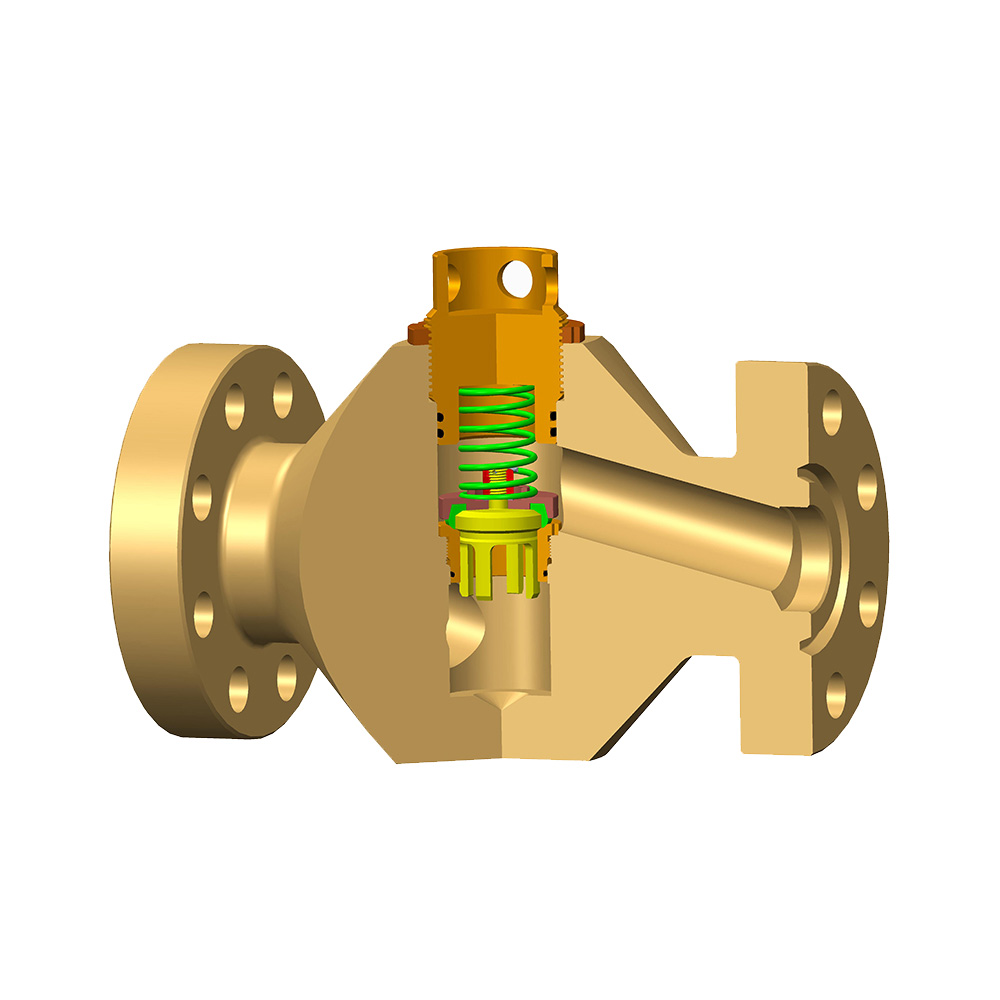
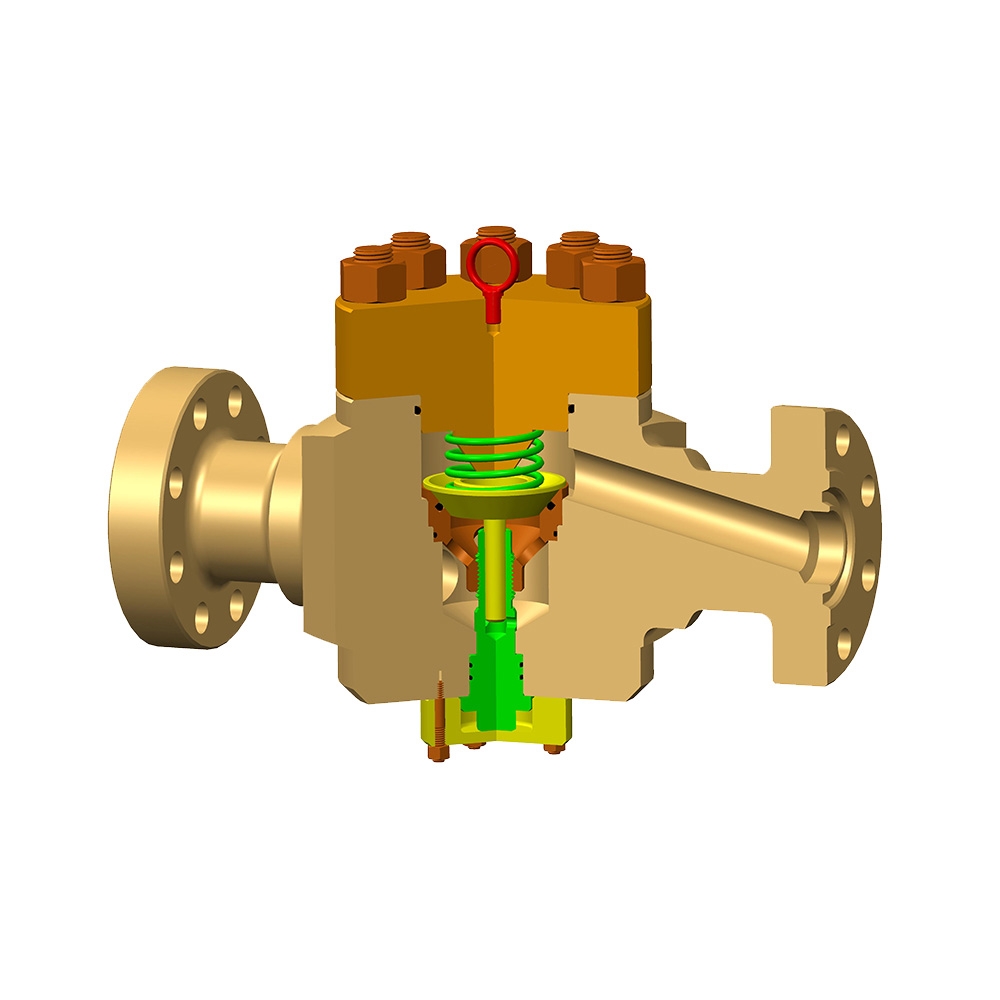
An Expanding Gate Valve is a specialized type of gate valve designed to offer superior sealing performance, enhanced reliability, and longer service life compared to traditional gate valves. Widely used in industries such as oil and gas, chemical processing, and power generation, these valves are engineered to handle high-pressure, high-temperature, and challenging media conditions.
Content
- Key Features of Expanding Gate Valves
- How Expanding Gate Valves Work
- Comparison: Expanding Gate Valve vs Traditional Gate Valve
- Advantages of Using Expanding Gate Valves
- Applications of Expanding Gate Valves
- Installation and Operational Tips
- Frequently Asked Questions (FAQ)
- Q1: Can an Expanding Gate Valve replace a traditional gate valve in all applications?
- Q2: Are Expanding Gate Valves suitable for abrasive media?
- Q3: How does maintenance differ between the two valve types?
- Q4: Do expanding gate valves require more complex installation?
- Q5: Can Expanding Gate Valves handle high-temperature steam?
Key Features of Expanding Gate Valves
- Bi-directional sealing: The expanding mechanism ensures a tight seal in both directions, reducing leakage risks even under extreme conditions.
- Reduced wear: Unlike traditional gate valves, the expanding gate moves laterally while sealing, which minimizes contact between the gate and seat, prolonging the valve's lifespan.
- Lower operating torque: The design allows smoother operation with less force, which is particularly advantageous in larger diameter valves.
- Maintenance-friendly: Some expanding gate valves are designed with replaceable seat inserts, simplifying maintenance and reducing downtime.
How Expanding Gate Valves Work
Unlike a conventional gate valve that relies solely on the linear movement of a solid wedge or gate to block flow, an Expanding Gate Valve features a gate that expands laterally as it moves into the closed position. This expansion presses the gate tightly against the valve seats on both sides, creating a more secure seal.
When opening, the gate retracts and contracts, minimizing friction and reducing wear on the valve body. This dual-action design allows expanding gate valves to achieve tight sealing without the need for high operating torque, which is common in traditional gate valves.
Comparison: Expanding Gate Valve vs Traditional Gate Valve
1. Sealing Performance
Traditional gate valves can sometimes leak if the seat or gate surface becomes worn or if operating conditions are extreme. In contrast, Expanding Gate Valves provide a bi-directional tight seal even under high pressure or with challenging media like slurries or viscous liquids.
2. Operating Torque
Standard gate valves often require significant force to operate, especially when the valve is large or the media causes friction buildup. Expanding gate valves, however, require less torque due to the lateral expansion design, making manual or automated operation easier and safer.
3. Wear and Maintenance
Traditional gate valves experience direct contact between the gate and seats during operation, which can accelerate wear. Expanding gate valves reduce this contact through their unique expanding action, leading to longer service life and lower maintenance costs.
4. Application Versatility
While traditional gate valves are suitable for general fluid control, expanding gate valves excel in high-demand environments such as:
- High-pressure pipelines
- Slurry or abrasive fluids
- High-temperature steam systems
- Critical chemical processes requiring zero leakage
Advantages of Using Expanding Gate Valves
- Enhanced sealing efficiency: Reduced leakage and improved safety for critical applications.
- Lower operating costs: Reduced wear and maintenance requirements translate to long-term savings.
- Reliable performance under extreme conditions: High-pressure, high-temperature, and abrasive media can be handled effectively.
- Extended service life: Durable construction and minimized friction contribute to longer valve lifespan.
Applications of Expanding Gate Valves
Expanding gate valves are commonly used in:
- Oil & Gas Industry: On pipelines and refineries for both upstream and downstream operations.
- Chemical Processing: For handling corrosive or high-viscosity fluids.
- Power Plants: For high-temperature steam or water systems.
- Mining and Slurry Transport: Resistant to abrasive media, ensuring reliable operation in harsh environments.
Installation and Operational Tips
- Ensure proper alignment during installation to avoid seat misalignment, which can affect sealing.
- Use recommended torque values to prevent damage to the expanding mechanism.
- Regularly inspect seats and gate surfaces, especially in abrasive or high-temperature applications.
- Consider automated actuators for large-diameter valves to reduce manual effort and improve operational safety.
Frequently Asked Questions (FAQ)
Q1: Can an Expanding Gate Valve replace a traditional gate valve in all applications?
While expanding gate valves offer superior sealing and durability, they are often more expensive. For non-critical, low-pressure applications, traditional gate valves may still be sufficient.
Q2: Are Expanding Gate Valves suitable for abrasive media?
Yes, the design minimizes direct contact and friction between the gate and seats, making them ideal for slurries, mining operations, or any abrasive fluids.
Q3: How does maintenance differ between the two valve types?
Expanding gate valves typically require less frequent maintenance due to reduced wear, and many models allow seat replacement without removing the entire valve. Traditional gate valves may require more regular inspection and resurfacing of gate and seat components.
Q4: Do expanding gate valves require more complex installation?
The installation process is generally similar, but precise alignment is more critical for expanding gate valves to ensure proper expansion and sealing. Following manufacturer guidelines is essential.
Q5: Can Expanding Gate Valves handle high-temperature steam?
Yes, they are commonly used in high-temperature and high-pressure steam systems, offering reliable sealing performance even under extreme conditions.
The Expanding Gate Valve represents a significant advancement over traditional gate valves, offering tighter sealing, lower operating torque, reduced wear, and enhanced reliability. While traditional gate valves are still widely used for general applications, expanding gate valves are increasingly preferred in industries that demand high performance, safety, and durability. Choosing the right valve depends on the specific requirements of the application, but for critical and high-pressure systems, expanding gate valves provide unmatched advantages.