English
 русский
Quick Answer: An oil Christmas tree (also written as xmas tree or oil xmas tree) is an assembly of valves, spools, chokes, and fittings mounted on top of a wellhead to regulate and control the flow of oil or gas from a producing well. It gets its name from the branching pipe-and-valve structure that visually resembles a decorated Christmas tree.
Content
- Understanding the Oil Christmas Tree: Definition & Origin
- Key Components of an Oil Christmas Tree
- How Does an Oil Christmas Tree Work?
- Oil Christmas Tree vs. Wellhead: What Is the Difference?
- Which Type of Oil Christmas Tree Is Right for Your Well? Surface vs. Subsea Types
- Why Is the Oil Christmas Tree Critical to Safe and Efficient Production?
- Design Standards and Pressure Ratings for Oil Xmas Trees
- Smart Oil Christmas Trees: Technology Trends in 2025
- How to Maintain an Oil Christmas Tree: Best Practices
- FAQ: Oil Christmas Tree (Xmas Tree) — Common Questions Answered
- Conclusion
Understanding the Oil Christmas Tree: Definition & Origin
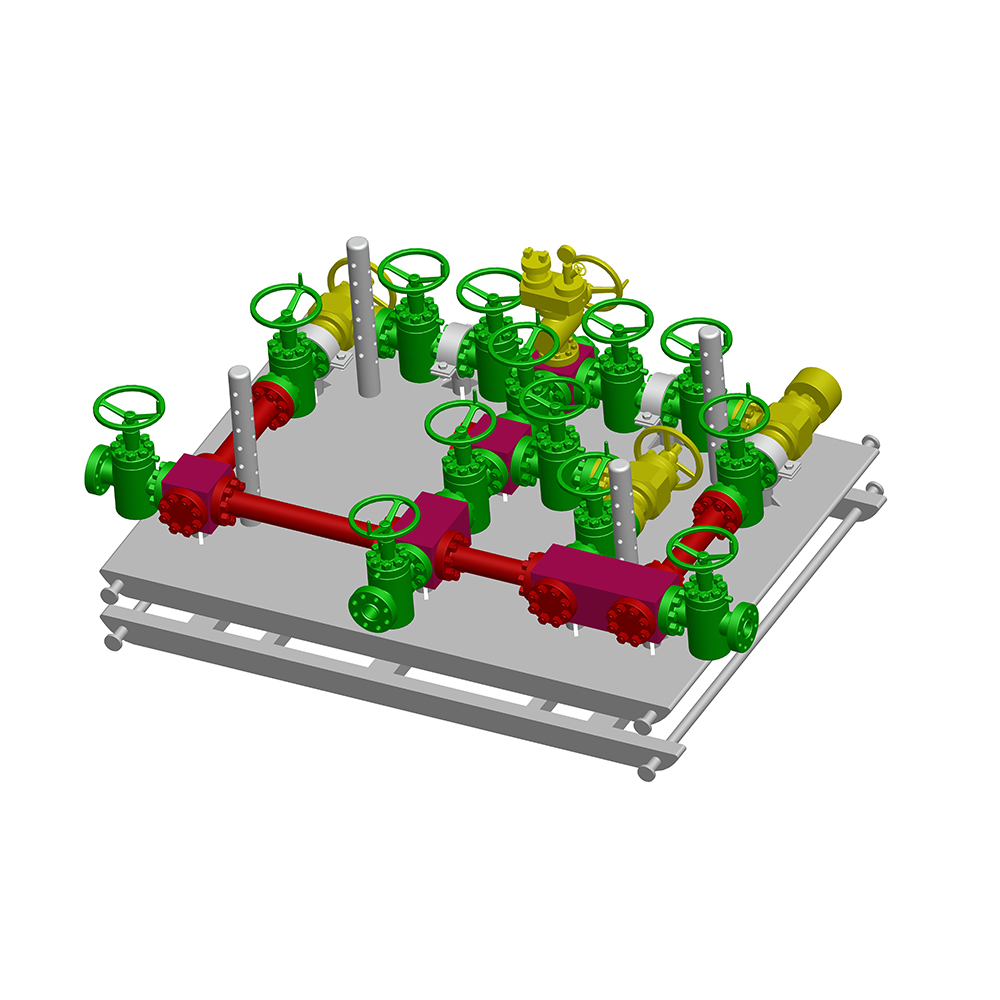
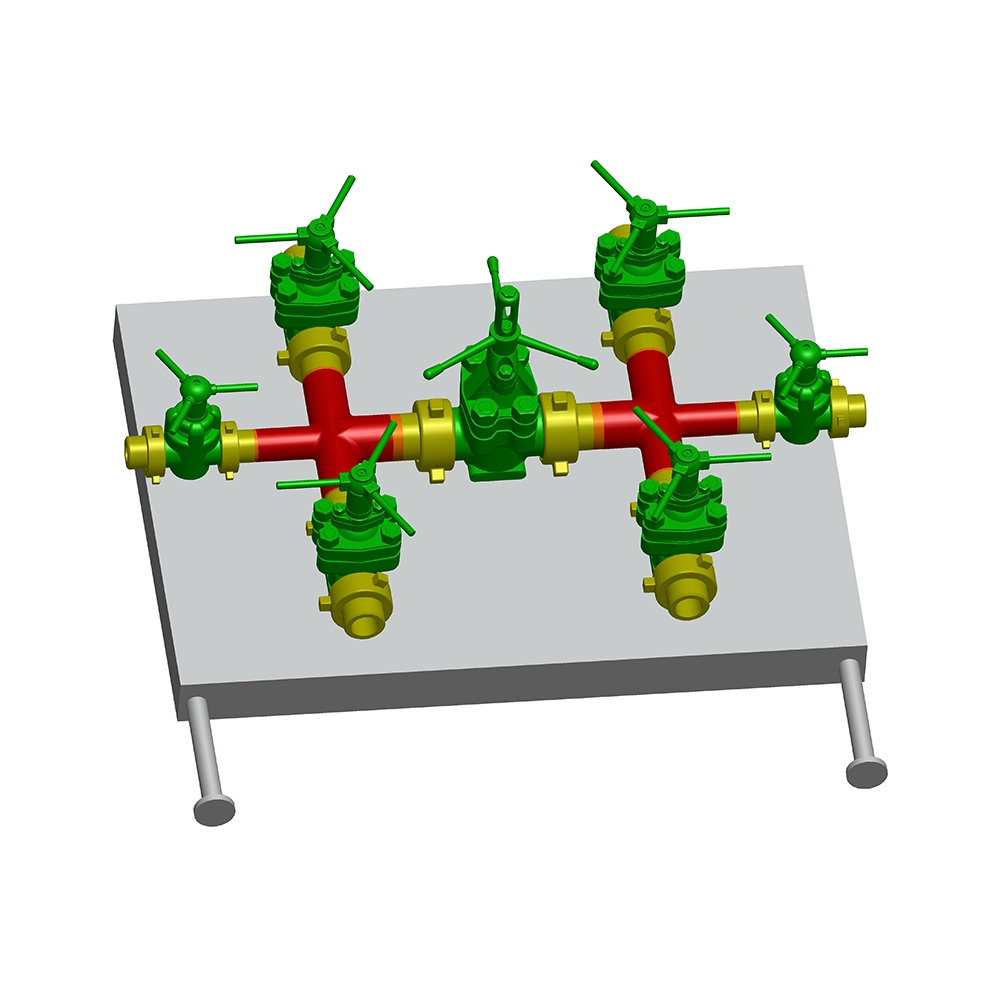
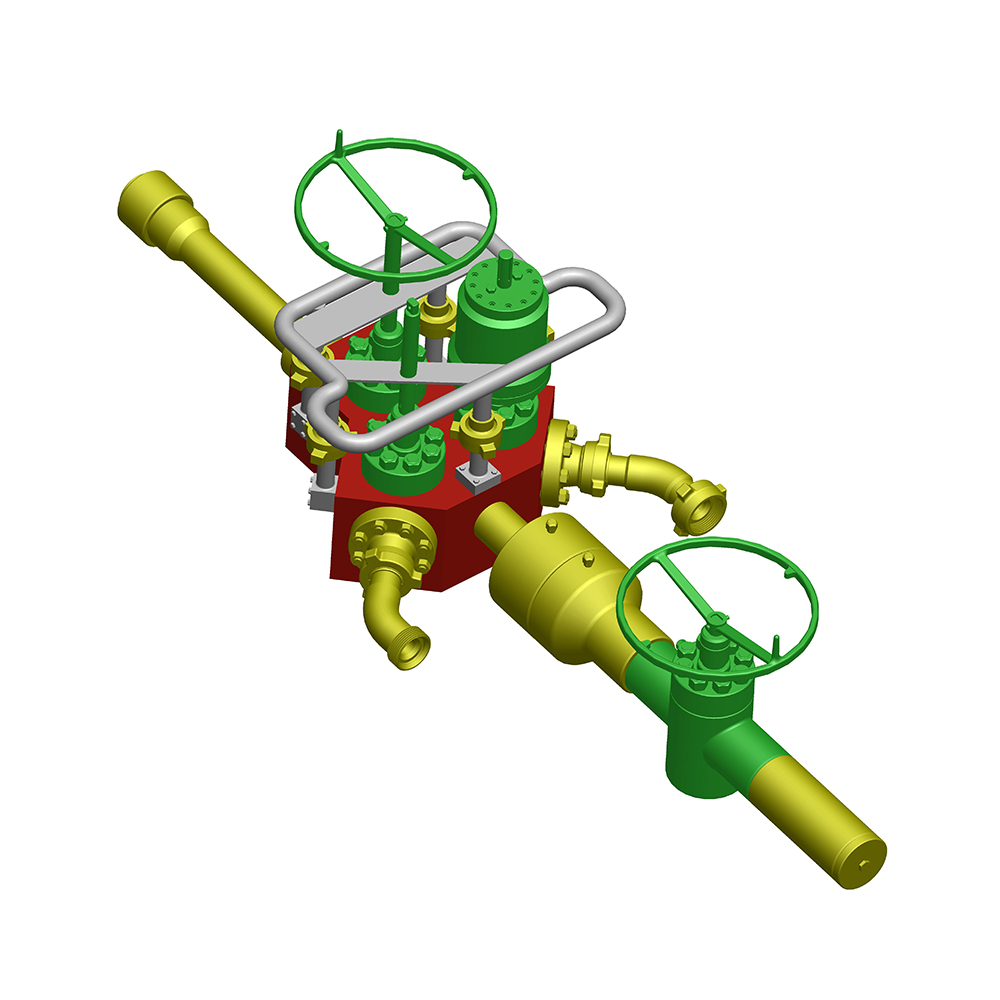
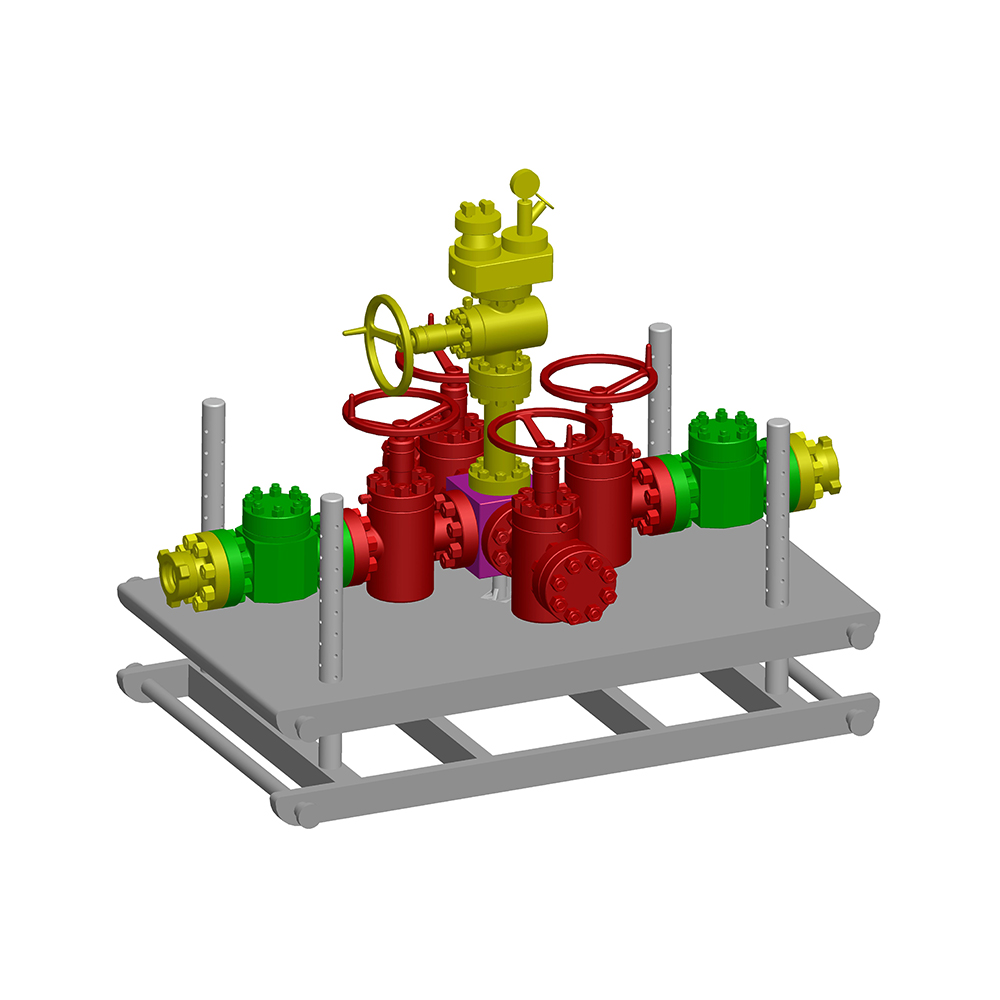
The oil Christmas tree is one of the most recognisable pieces of surface equipment on any producing well site. In the petroleum and natural gas extraction industry, it refers to a multi-valved assembly — consisting of valves, casing spools, chokes, pressure gauges, and fittings — installed at the top of a completed well to manage production flow, regulate well pressure, enable well intervention, and safeguard personnel and the environment.
The term originated in the early 20th century. The first primitive Christmas tree was used by the Hamill Brothers to bring the famous Spindletop well in Texas under control. That early design used a T-valve with a 6-inch and 8-inch valve on the vertical pipe and a 6-inch valve on the horizontal pipe — the branching configuration that inspired the festive nickname. Over the following century, tree complexity increased dramatically, evolving from simple flange-on-flange constructions to precision-machined steel blocks containing multiple integrated valves.
Today, the oil xmas tree is designed and manufactured according to API Specification 6A / ISO 10423, the global standard governing wellhead and Christmas tree equipment for pressure integrity, material selection, and testing procedures.
Key Components of an Oil Christmas Tree
Every standard oil xmas tree consists of five core valves along with several supporting elements. Each component plays a specific, non-interchangeable role.
| Component | Location on Tree | Primary Function | Critical to Safety? |
| Lower Master Valve | Bottom of tree | Primary isolation backup; redundancy for upper master valve failure | Yes |
| Upper Master Valve | Above lower master valve | Main shut-off in emergencies; first valve closed to stop well flow | Yes — Critical |
| Production Wing Valve | Horizontal branch (production side) | Controls flow of oil/gas from well to production facilities | Yes |
| Kill Wing Valve | Horizontal branch (kill side) | Injects kill fluids (brine, drilling mud) to control well pressure during interventions | Yes |
| Swab Valve | Top of tree | Provides wellbore access for wireline and coiled tubing operations without killing the well | Moderate |
| Choke (Bean) | Production outlet | Restricts flow rate and manages downstream pressure (back pressure) | Yes |
| Wellhead Adapter | Base of tree | Provides pressure-tight connection between Christmas tree and wellhead | Yes |
| Pressure Gauges / Sensors | Multiple points | Monitor tubing/annulus pressure in real time; enable smart automation | Moderate |
Table 1: Core components of a standard oil Christmas tree (xmas tree), their locations, and functions.
How Does an Oil Christmas Tree Work?
The oil xmas tree works as the final surface control system between the underground hydrocarbon reservoir and the surface gathering and processing facilities. Here is a step-by-step overview of its operation:
1. Installation After Well Completion
The Christmas tree is only attached after drilling is finished. During drilling, a Blowout Preventer (BOP) controls surface pressure. Once the well is completed and the casing cemented, the BOP is removed and the oil xmas tree is lowered and bolted to the top of the wellhead, forming a pressure-tight connection via the wellhead adapter and seals.
2. Flow Control During Production
When the well is ready to produce, operators open the upper and lower master valves to allow reservoir fluids — crude oil, natural gas, or condensate — to travel up the tubing string and through the tree. The production wing valve directs these fluids into the flowline leading to separators and processing facilities. The choke regulates flow rate and back pressure, protecting downstream equipment from excessive pressure surges.
3. Well Intervention & Maintenance Access
When maintenance or diagnostic work is required, the swab valve at the top of the oil xmas tree allows wireline or coiled tubing tools to be run into the wellbore without shutting in (killing) the well, minimising production downtime. The kill wing valve provides a pathway to pump in heavy fluids if the well needs to be killed for major intervention work.
4. Emergency Shutdown (ESD)
In the event of a pressure anomaly, equipment failure, or emergency, complete closure of all Christmas tree valves should be effected within approximately 45 seconds, in accordance with API recommendations. Both master valves close in sequence to create redundant barriers between the reservoir and the surface, preventing a blowout.
Oil Christmas Tree vs. Wellhead: What Is the Difference?
The wellhead and the oil xmas tree are entirely separate pieces of equipment — a distinction that is frequently misunderstood because both involve valves, seals, and pressure control. In short: the wellhead comes first and the Christmas tree sits on top of it.
| Feature | Wellhead | Oil Christmas Tree (Xmas Tree) |
| Position | Surface of the well, between casing and drilling floor | Mounted on top of the wellhead after well completion |
| Primary Purpose | Suspend casing strings; provide pressure seals during drilling | Control flow of oil/gas during production phase |
| Phase of Well Life | Drilling, completion, and production | Completion and production only |
| Can Be Used Alone? | Yes — during drilling before tree is installed | No — requires wellhead as its base |
| Key Components | Casing heads, hangers, spools, seals, BOP support | 5 main valves, chokes, gauges, chemical injection ports |
| Standard | API 6A / ISO 10423 | API 6A / ISO 10423 |
| Pressure Role | Prevents blow-out during drilling; structural integrity | Regulates production pressure; enables ESD within ~45 seconds |
| Resemblance | Structural base structure | Visually resembles a decorated Christmas tree |
Table 2: Side-by-side comparison of a wellhead vs. oil Christmas tree (xmas tree) across key parameters.
Which Type of Oil Christmas Tree Is Right for Your Well? Surface vs. Subsea Types
The choice of oil xmas tree type depends primarily on whether the well is onshore/surface or subsea, and on wellbore pressure and production requirements. The two primary classifications are surface trees and subsea trees, each with multiple sub-configurations.
Surface Christmas Trees (Land & Offshore Topside)
Surface Christmas trees are the most common type found on onshore wells and on the topside of offshore platforms. They are accessible for manual operation and routine maintenance.
- Conventional Land Trees: Simplest design; commonly manually operated; used for low-to-medium pressure onshore wells. Ideal for straightforward production scenarios where remote operation is not required.
- High-Pressure Land Trees: Engineered for high-pressure formations (up to 20,000 psi); heavier steel construction; often equipped with hydraulic actuators for safer remote control.
- Offshore Platform Trees (Dry Trees): Installed on jacket platforms or FPSOs above the waterline; designed to resist saltwater corrosion and support more complex chemical injection and monitoring systems.
Subsea Christmas Trees
Subsea Christmas trees are installed directly on the seabed, connected to wellheads on the ocean floor. They are among the most technologically sophisticated pieces of oilfield equipment.
- Conventional Subsea Trees: Vertical configuration; most widely deployed; used in water depths ranging from shallow to moderate deepwater (up to ~3,000 ft).
- Horizontal Subsea Trees: The production bore runs horizontally through the tree rather than vertically; allows tubing to be run or retrieved without removing the tree — significantly reducing intervention time and cost.
- Dual Bore Trees: Feature separate bores for production tubing and annulus access; provide greater flexibility for well monitoring and intervention.
- Deepwater / Ultra-Deepwater Trees: Designed for wells deeper than 3,000 ft (910 m); may weigh up to approximately 70 tonnes; built to withstand extreme hydrostatic pressure and require ROV (Remotely Operated Vehicle) operation.
- Smart Subsea Trees: Equipped with integrated sensors, real-time data transmission systems, and automated control interfaces; enable remote monitoring of pressure, temperature, flow rate, and valve position without sending personnel or ROVs to the seabed.
| Parameter | Surface Xmas Tree | Subsea Xmas Tree |
| Installation Environment | Above ground / above water | Seabed (underwater) |
| Operation Method | Manual or hydraulic actuator | ROV / hydraulic control umbilical |
| Typical Pressure Rating | 2,000 – 20,000 psi | 5,000 – 20,000+ psi |
| Weight | Hundreds of kg to a few tonnes | A few tonnes to ~70 tonnes |
| Maintenance Access | Direct human access | ROV or diver-assisted |
| Cost | Lower | Significantly higher |
| Smart / Automated Options | Available (increasingly common) | Standard on modern deep-water trees |
Table 3: Comparison of surface Christmas tree vs. subsea Christmas tree across key operational parameters.
Why Is the Oil Christmas Tree Critical to Safe and Efficient Production?
The oil xmas tree is indispensable because it simultaneously manages production efficiency and well safety — two goals that are often in tension. Without a functioning Christmas tree, operators cannot safely produce a pressurised well. Here are its most important functional roles:
Flow Rate & Pressure Management
The choke valve on the oil Christmas tree is the primary tool for managing drawdown pressure — the difference between reservoir pressure and wellbore pressure. Setting the correct choke opening prevents sand production, water breakthrough, and reservoir damage, directly influencing long-term well productivity. In early production phases, when reservoir pressure is highest, the choke may be nearly closed; as reservoir pressure depletes over years, the choke is opened progressively.
Chemical Injection
Many oil xmas trees are fitted with dedicated chemical injection ports. These allow operators to continuously inject chemicals such as corrosion inhibitors, scale inhibitors, hydrate inhibitors (methanol or MEG), and wax/asphaltene dispersants directly into the flow stream or down the wellbore annulus. This capability extends well life and prevents blockages in flowlines, particularly in cold deep-water environments where hydrates form rapidly.
Well Monitoring
Modern oil Christmas trees are instrumented with pressure and temperature gauges at multiple points. In smart tree configurations, these sensors transmit real-time data to control rooms — onshore or on a platform — allowing engineers to detect anomalies such as unexpected pressure buildups, valve leaks, or flow restriction long before they become failures.
Downhole Safety Valve Control
The control system attached to the oil xmas tree also manages the downhole safety valve (DHSV), a critical barrier located hundreds of metres below the surface inside the tubing string. If surface equipment fails or is damaged (for example, by a hurricane or vessel impact on an offshore well), the DHSV can be closed via the tree's hydraulic control system, shutting in the well at depth and preventing an uncontrolled release.
Design Standards and Pressure Ratings for Oil Xmas Trees
All oil Christmas trees must be designed and tested to API Specification 6A (ISO 10423), the industry's primary standard for wellhead and tree equipment. This standard defines:
- Pressure ratings: Standard working pressure classes include 2,000 psi, 3,000 psi, 5,000 psi, 10,000 psi, 15,000 psi, and 20,000 psi. Deep high-pressure wells (such as ultra-deepwater or HPHT — High Pressure, High Temperature — wells) require the highest pressure ratings.
- Temperature classes: From K (−60 °C to +60 °C) through to V (−18 °C to +121 °C), plus special classes for HPHT environments.
- Material requirements: Carbon steel, low-alloy steel, and corrosion-resistant alloys (CRA) such as Inconel are specified based on H₂S content, CO₂ content, and chloride levels in produced fluids.
- Testing protocols: Hydrostatic testing, function testing of all valves, and seal verification must be completed before shipment.
For subsea oil xmas trees, additional standards apply, including API 17D (design and operation of subsea production systems) and ISO 13628-4, which set requirements specific to underwater installation, corrosion protection, and ROV interfaces.
Smart Oil Christmas Trees: Technology Trends in 2025
Smart oil xmas trees with integrated sensors and automation are rapidly becoming the industry standard, driven by the push for lower operating costs, reduced personnel offshore, and real-time data demands. Key developments include:
- Embedded fibre-optic sensing: Distributed Temperature Sensing (DTS) and Distributed Acoustic Sensing (DAS) systems integrated into the tree enable continuous monitoring of flow profiles and mechanical integrity without intervention.
- Electric actuated valves (EAV): Replacing hydraulic actuators with electric actuators reduces the volume of hydraulic control fluids required — particularly valuable in remote onshore locations and emerging hydrogen or CCS injection wells.
- Digital twin integration: High-fidelity virtual models of the oil Christmas tree, updated with live sensor data, allow operators to simulate maintenance scenarios, predict seal degradation, and optimise choke settings without shutting in the well.
- Subsea processing: Next-generation subsea facilities are incorporating pumps and multiphase meters directly into xmas tree assemblies, reducing topside processing requirements and enabling fields in ultra-deep water or remote arctic environments.
- Hydrogen and CCS applications: As the energy transition accelerates, Christmas tree designs are being adapted for hydrogen injection wells and Carbon Capture and Storage (CCS) injection wells, which demand materials resistant to hydrogen embrittlement and supercritical CO₂.
How to Maintain an Oil Christmas Tree: Best Practices
Regular inspection and preventive maintenance of the oil xmas tree are non-negotiable for safe operations. Industry best practices include:
- Valve function testing: Each valve — particularly the master valves — should be function-tested at intervals defined in the well's integrity management plan. Failure to exercise valves leads to valve stem seizure, which can prevent emergency shutdown.
- Seal and gasket inspection: The ring-joint (RTJ) and metal-to-metal seals at the tree-to-wellhead interface should be inspected for leaks at every well visit. Even minor weeping at flange faces can indicate impending seal failure.
- Choke monitoring: Choke beans erode rapidly in sandy or abrasive production streams. Regular pressure drop measurements across the choke reveal erosion before a full choke failure, which could cause an uncontrolled pressure drop or line burst.
- Corrosion protection: Surface Christmas trees should be inspected for external corrosion, especially in offshore and tropical environments. Coating systems should be maintained, and cathodic protection should be verified on subsea trees during ROV surveys.
- Chemical injection system check: Injection lines and check valves on the oil xmas tree should be flushed and tested to confirm they are not plugged, as a blocked inhibitor injection line can lead to rapid corrosion or scale buildup downstream.
FAQ: Oil Christmas Tree (Xmas Tree) — Common Questions Answered
Q1: Why is it called a Christmas tree in the oil industry?
The equipment resembles a decorated Christmas tree when fully assembled — the vertical pipe (trunk) with horizontal wing valves and gauges branching out at various levels, similar to the layered branches of a pine tree adorned with ornaments. The nickname has been in use since the early 20th century, originating at the Spindletop field in Texas.
Q2: What is the difference between an oil Christmas tree and a wellhead?
The wellhead is the structural base at the surface that supports the casing strings and provides pressure sealing during drilling. The oil Christmas tree is a separate assembly of valves and fittings that mounts on top of the wellhead after the well is completed. A wellhead can exist without a Christmas tree (during drilling), but the tree cannot function without the wellhead beneath it.
Q3: How many valves does an oil Christmas tree have?
A standard oil xmas tree has five primary valves: the lower master valve, upper master valve, production wing valve, kill wing valve, and swab valve. Some configurations include a second swab valve (dual swab) to comply with the two-barrier rule during wireline rigging-down operations without shutting in the well.
Q4: What is a subsea Christmas tree?
A subsea Christmas tree (or subsea xmas tree) is an oil xmas tree designed for installation on the seabed rather than at the surface. It controls flow from underwater wells and is operated remotely using an ROV or hydraulic umbilical. Deepwater subsea trees can weigh up to approximately 70 tonnes and must withstand pressures exceeding 10,000 psi along with extreme cold temperatures.
Q5: What standard governs oil Christmas tree design?
Oil Christmas trees are primarily governed by API Specification 6A / ISO 10423 for surface trees, and by API 17D / ISO 13628-4 for subsea trees. These standards specify pressure ratings (from 2,000 psi to 20,000+ psi), temperature classes, material grades, testing requirements, and dimensional standards.
Q6: Does every oil well need a Christmas tree?
Not necessarily. Producing surface wells that rely on artificial lift methods such as pump jacks (nodding donkeys) frequently do not use a Christmas tree, because there is no pressure containment requirement — the reservoir is producing below hydrostatic pressure and requires pumping rather than flow control. Christmas trees are most critical on naturally flowing wells, gas wells, injection wells, and all subsea wells.
Q7: How long does an oil Christmas tree last?
A well-maintained oil xmas tree can remain in service for the full productive life of a well — potentially 20 to 40 years or more. In practice, trees are often refurbished or re-rated as well conditions change. Harsh environments such as high H₂S concentrations, high temperature/pressure, or offshore corrosion accelerate seal and elastomer degradation, requiring more frequent inspection cycles.
Conclusion
The oil Christmas tree (xmas tree) is far more than its festive name suggests. It is the frontline surface control system for every producing oil and gas well, combining precision valve engineering, safety redundancy, and real-time monitoring into a single compact assembly. From the simple land trees on onshore shallow wells to the multi-tonne smart subsea trees in deepwater basins, the oil xmas tree has evolved over a century of petroleum engineering into one of the most critical and complex pieces of equipment in the upstream sector.
Whether your interest is in procurement, engineering design, well operations, or simply understanding how oil production works, a thorough grasp of the oil Christmas tree's components, types, functions, and standards is foundational knowledge in the oil and gas industry.
Meta Title (69 chars): What Is an Oil Christmas Tree? Complete Xmas Tree Guide
Meta Description (149 chars): Learn what an oil Christmas tree (xmas tree) is, how it works, its 5 key valves, surface vs subsea types, and how it differs from a wellhead. Full 2025 guide.