English
 русский
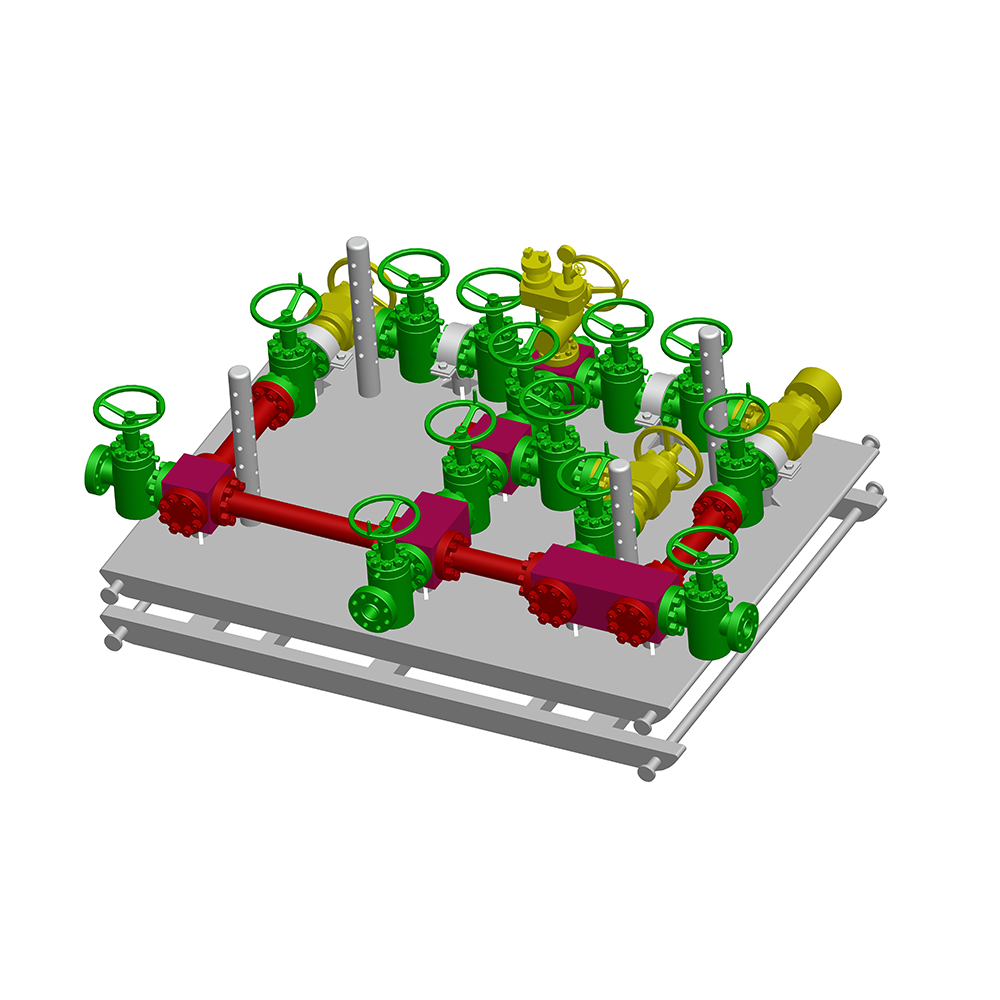
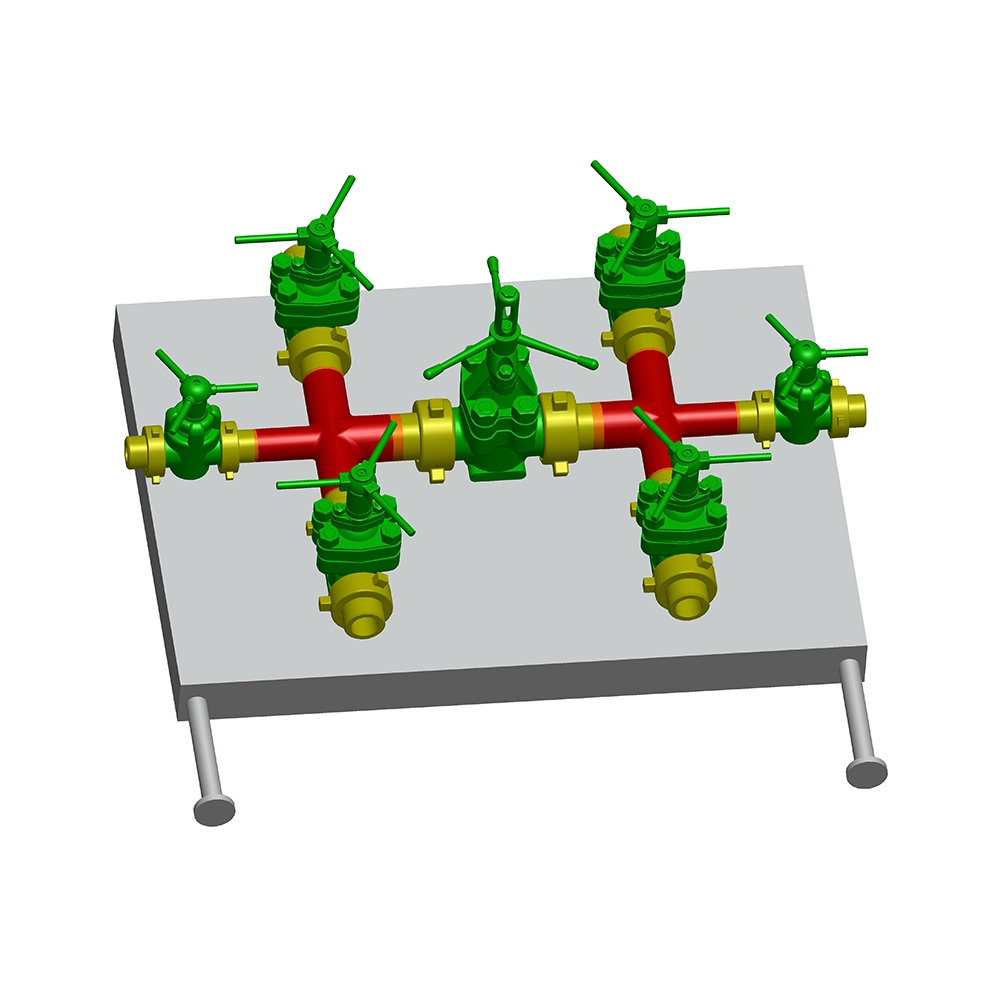
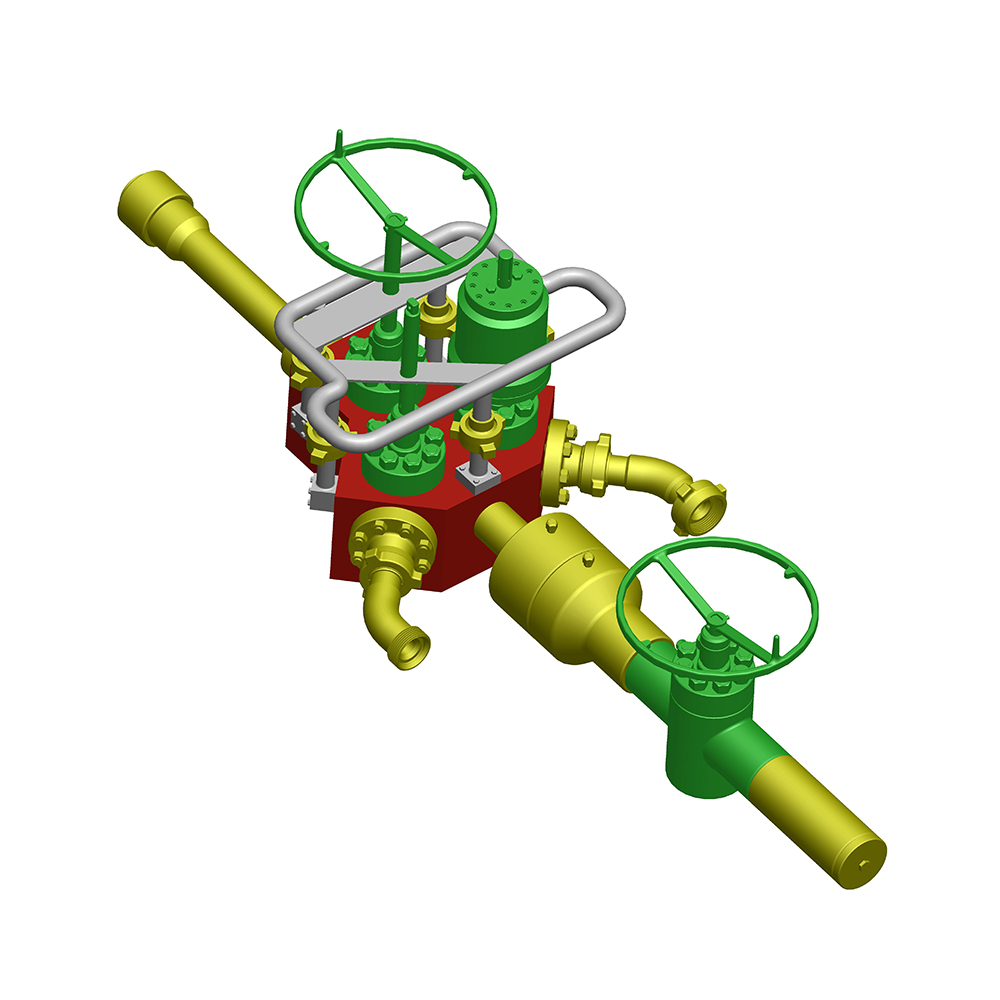
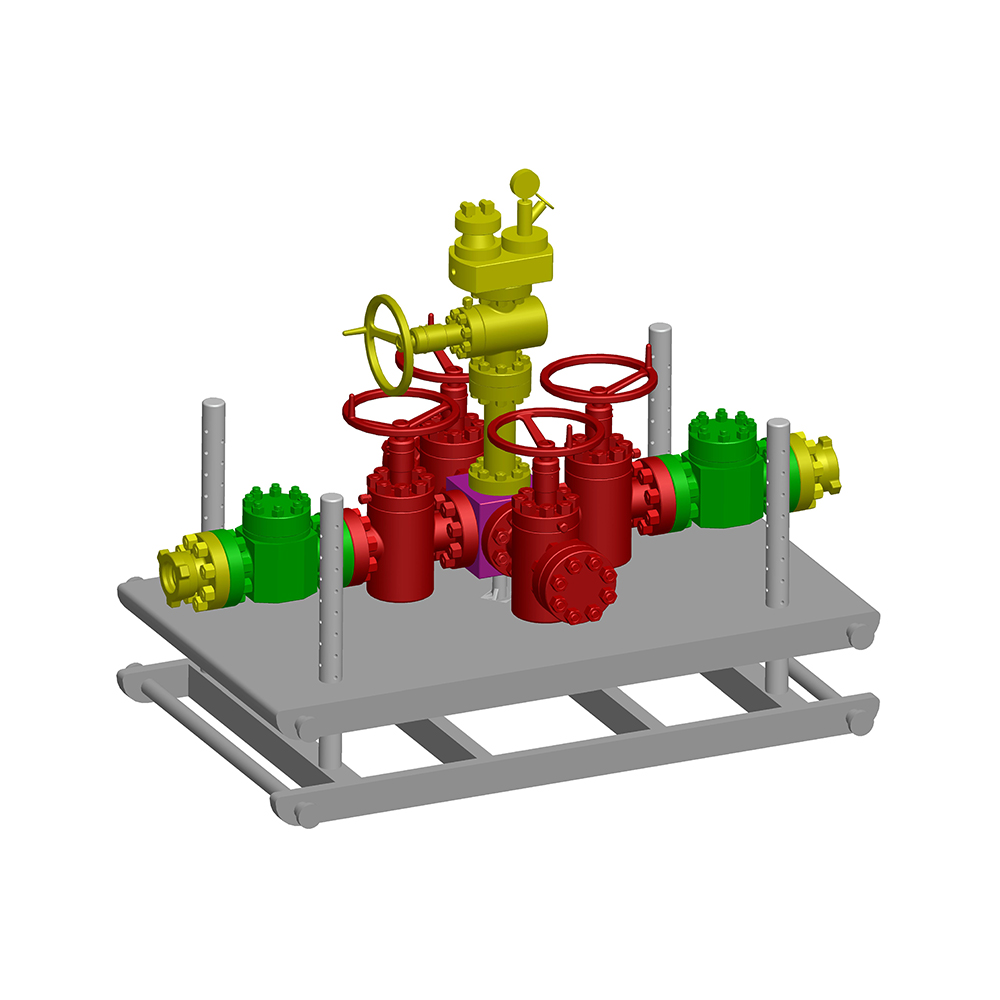
A wellhead in oil and gas is the assembly of heavy-duty valves, spools, and seals installed at the top of a drilled well to control the flow of hydrocarbons, contain the extreme pressures encountered during drilling and production, and provide a secure anchor point for the casing strings that line the borehole. It is the primary pressure barrier between the underground reservoir and the surface equipment, and it must withstand pressures that can exceed 15,000 psi and temperatures above 350°F (177°C) in deep, high-pressure formations. According to the American Petroleum Institute (API) Specification 6A, a wellhead oil and gas system must be designed, manufactured, and tested to handle the maximum anticipated surface pressure of the well, and every component must be traceable to its original material heat number for quality assurance. Understanding exactly what a wellhead is and how it functions is fundamental for anyone involved in drilling, completion, or production operations, because a wellhead failure can lead to a catastrophic blowout, loss of the well, environmental damage, and loss of life.
Content
- What Is a Wellhead and What Core Functions Does It Serve?
- Key Components of a Wellhead Assembly
- Types of Wellheads: Onshore vs. Offshore and Conventional vs. Unconventional
- The Critical Role of the Wellhead in Blowout Prevention and Well Control
- Material Selection and Manufacturing Standards for Wellhead Equipment
- Frequently Asked Questions About Wellheads in Oil and Gas
What Is a Wellhead and What Core Functions Does It Serve?
A wellhead in oil and gas serves four non-negotiable functions: it suspends the weight of the casing strings, seals the annular spaces between concentric casing layers, provides controlled access to the wellbore for drilling and intervention, and acts as the mounting base for the blowout preventer (BOP) stack during drilling and the Christmas tree during production. The casing suspension function alone involves enormous loads. Each casing string—conductor, surface, intermediate, and production casing—can weigh hundreds of thousands of pounds, and the wellhead must transfer this weight safely into the conductor pipe and the surrounding cement sheath. The sealing function is equally demanding. Annular seals between casing strings must contain formation pressures that can spike to over 10,000 psi without leaking even a trace of gas to the surface. API 6A classifies wellhead equipment into pressure ratings from 2,000 psi to 20,000 psi and into temperature classes from -75°F to 650°F (-60°C to 345°C), with material classes ranging from general carbon steel to corrosion-resistant alloys such as Inconel 718 for sour gas service containing hydrogen sulfide. The wellhead body itself is typically a large, forged steel block machined with internal profiles that match the casing hangers and seal assemblies. Once the well is completed, the wellhead remains in place for the entire productive life of the well—often 20 to 40 years—and must resist corrosion, cyclic pressure loading, and thermal expansion without maintenance of the internal seals.
Key Components of a Wellhead Assembly
The major components of a wellhead oil and gas assembly are the casing head, casing spools, tubing head, casing hangers, annular seals, and the adapter flange that connects to the BOP or Christmas tree, each serving a specific mechanical and pressure-containing role. The following list breaks down these components and their individual purposes within the wellhead system:
- Casing head: The lowest section of the wellhead, welded or screwed onto the surface casing. It supports the next casing string and provides the first annular seal at the surface. The casing head typically includes two side outlets for accessing the annulus for cement returns and pressure monitoring.
- Casing spools: Intermediate sections stacked on top of the casing head to support additional casing strings. Each spool contains a bowl-shaped internal profile that accepts a casing hanger and a sealing assembly. Multiple spools can be stacked to accommodate the full casing program of a deep well.
- Casing hangers: Circumferential devices that land inside the casing head or spool bowl, transferring the weight of the suspended casing string to the wellhead body while sealing the annulus between the inner and outer strings. Casing hangers may be slip-type, mandrel-type, or wrap-around designs.
- Tubing head: The uppermost spool that supports the production tubing string and provides the transition to the Christmas tree. It contains a tubing hanger that seals around the tubing and isolates the tubing-casing annulus from the flow stream.
- Annular seals and packoffs: Elastomeric or metal-to-metal seals that energize when the casing or tubing hanger is landed and locked, creating a pressure-tight barrier. In high-pressure, high-temperature (HPHT) wells, metal-to-metal seals are used because elastomers can deteriorate under prolonged thermal exposure.
- Adapter flange and studs: The top connection of the wellhead that mates with the BOP during drilling or the Christmas tree during production. The flange is manufactured to API 6A dimensions with a ring groove that accepts a metal ring gasket, typically an API BX or RX type.
Types of Wellheads: Onshore vs. Offshore and Conventional vs. Unconventional
Wellheads in oil and gas are broadly categorized by their location—onshore or offshore—and by the drilling method—conventional vertical or horizontal, and unconventional shale wells—each requiring different configurations of pressure ratings, casing programs, and tree interfaces. The table below summarizes the key differences between these wellhead types and their typical applications.
| Wellhead Type | Typical Pressure Rating | Casing Strings Supported | Key Characteristic |
|---|---|---|---|
| Onshore Conventional Wellhead | 2,000–5,000 psi | 3–4 strings (conductor, surface, intermediate, production) | Stacked spool design; cost-effective; accessible for manual valve operation |
| Offshore Platform Wellhead | 5,000–15,000 psi | 4–6 strings (including drilling riser tieback) | Compact, multi-bowl design; space and weight constraints; remote operation |
| Subsea Wellhead | 10,000–20,000 psi | 3–5 strings (landed on seafloor) | Installed by remotely operated vehicle; metal-to-metal seals; guidelineless systems |
| Unconventional (Shale) Wellhead | 5,000–10,000 psi | 3–4 strings; often with frac valves integrated | Designed for multi-stage hydraulic fracturing; rapid installation; high erosion resistance |
The Critical Role of the Wellhead in Blowout Prevention and Well Control
During the drilling phase, the wellhead oil and gas assembly serves as the sole anchor and sealing interface for the blowout preventer stack, and its integrity is the last line of defense between a controlled well and an uncontrolled blowout. The BOP is a massive assembly of hydraulic rams, annular preventers, and shear seals that can close around the drill pipe or completely shut the open hole in the event of a kick—an influx of high-pressure formation fluids into the wellbore. The BOP is bolted directly to the wellhead flange, and every pound of well pressure pushing upward from the reservoir must be contained by this connection. API Standard 53, which governs BOP systems, requires that the wellhead flange and studs be rated to the same pressure as the BOP stack and that the ring gasket be compatible with the well fluid chemistry. The Deepwater Horizon accident investigation report, published by the U.S. Chemical Safety Board, identified that the failure of the blind shear ram to seal the well was a direct contributing factor to the blowout, underscoring that even a fully rated BOP depends on a properly installed and tested wellhead oil and gas connection to function. After the well is completed and the BOP is removed, the wellhead remains as the permanent pressure barrier, now topped by the Christmas tree—a vertical assembly of valves, chokes, and pressure gauges that controls production flow. Any leak at the tubing hanger seal or the casing annulus can allow hydrocarbons to migrate to the surface outside the production conduit, a condition known as sustained casing pressure, which is a leading cause of well integrity failure in aging wells worldwide.
Material Selection and Manufacturing Standards for Wellhead Equipment
Every component of a wellhead in oil and gas must be manufactured from materials that meet API 6A requirements for chemical composition, mechanical properties, and heat treatment, and the choice of material is dictated by the well's expected pressure, temperature, and corrosive potential. The API 6A specification categorizes materials into several classes based on their resistance to sulfide stress cracking. Material Class AA is general carbon steel suitable for non-sour service. Class BB adds slight chemistry controls for mild sour environments. Class CC requires the material to pass NACE MR0175/ISO 15156 testing for use in environments containing hydrogen sulfide at partial pressures above 0.05 psi. Class HH materials, such as Inconel 625 and 718 nickel alloys, are specified for the most extreme HPHT sour gas wells where both stress cracking and general corrosion rates would destroy a standard steel component within months. The manufacturing process includes forging the body from a single billet of steel, rough machining, heat treating to achieve the specified hardness, finish machining, and hydrostatic pressure testing to 1.5 times the rated working pressure. Every pressure-containing part must be traceable by heat number, and the final assembly is documented with a full material test report and a certificate of conformance. This rigorous quality assurance is what makes a wellhead oil and gas component reliable enough to remain at the surface of a pressurized hydrocarbon reservoir for decades without inspection of its internal seal surfaces.
Frequently Asked Questions About Wellheads in Oil and Gas
What is the difference between a wellhead and a Christmas tree?
The wellhead oil and gas assembly is the permanent foundation installed at the top of the casing strings, providing the structural support and primary annular seals. The Christmas tree is a separate assembly of valves, chokes, and gauges that is bolted on top of the wellhead after drilling is complete to control the flow of produced fluids. The wellhead remains in place for the life of the well, while the Christmas tree can be removed for workover operations.
How often does wellhead equipment need to be inspected or tested?
API recommends that the wellhead seals, valves, and flange connections be visually inspected and functionally tested at intervals determined by the operator's well integrity management plan. Annular pressure monitoring should be continuous, and any sustained casing pressure above the maximum allowable operating limit triggers an immediate investigation. The surface safety valve and the master valve on the Christmas tree must be function-tested at regular intervals as specified by local regulations, often every three to six months.
Can a wellhead be repaired if a leak develops?
Minor annular leaks can sometimes be sealed by injecting heavy grease or sealant into the secondary seal ports on the wellhead, a procedure called annular re-sealing. If the primary metal-to-metal or elastomeric seal has failed, the repair is complex and may require a workover rig to pull the tubing and replace the tubing hanger seals. A leaking wellhead oil and gas body or casing spool is extremely rare and would typically require the well to be killed and the damaged component cut out and replaced, an expensive operation that can cost millions of dollars on a deep well.
The wellhead oil and gas system is far more than a simple steel fitting at the top of a hole; it is the engineered foundation that enables safe drilling, completion, and decades of production from a hydrocarbon reservoir. From its massive forged body and precisely machined seal surfaces to the rigorous API 6A material traceability and pressure testing, every aspect of wellhead design reflects the consequences of failure in an environment where pressures can exceed 15,000 psi and flammable gas is always seeking the fastest path to the surface. Whether installed on a remote desert pad, a deepwater seafloor, or a compact offshore platform, the wellhead remains the quiet, indispensable sentinel that stands between controlled production and environmental catastrophe.