English
 русский
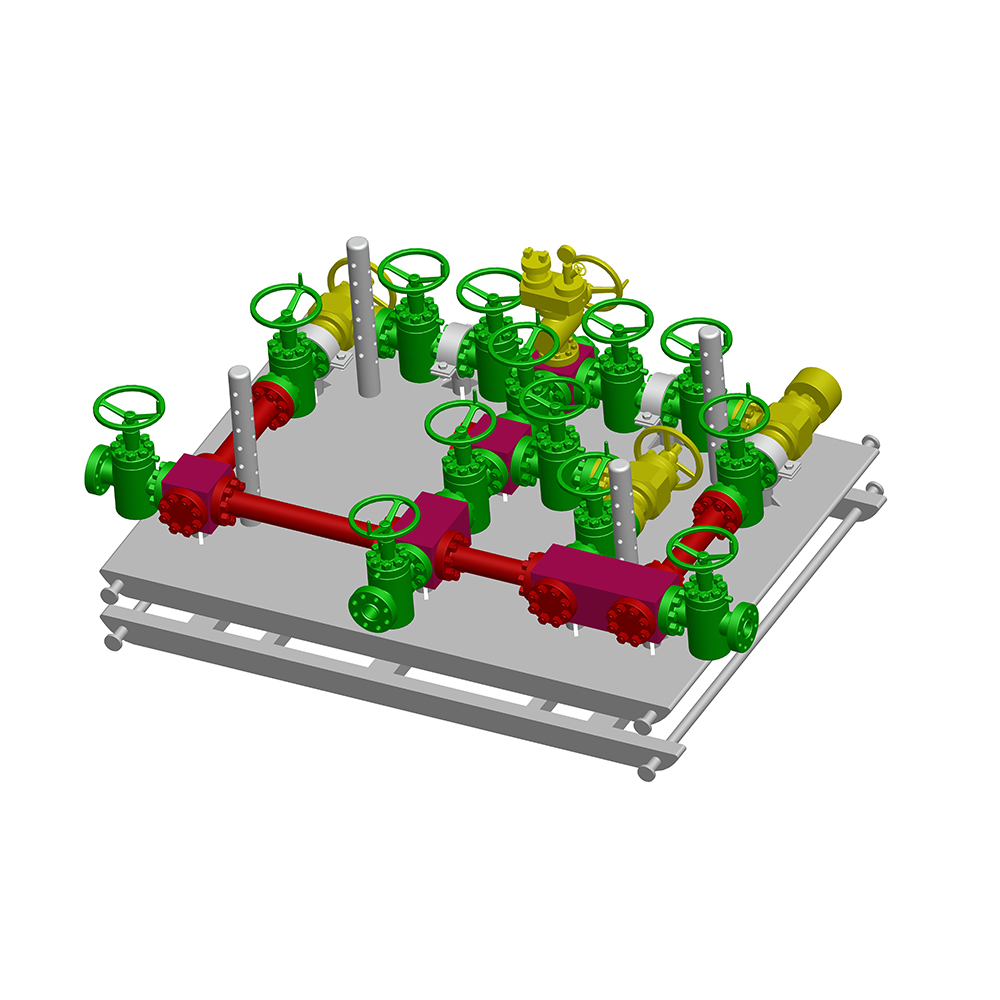
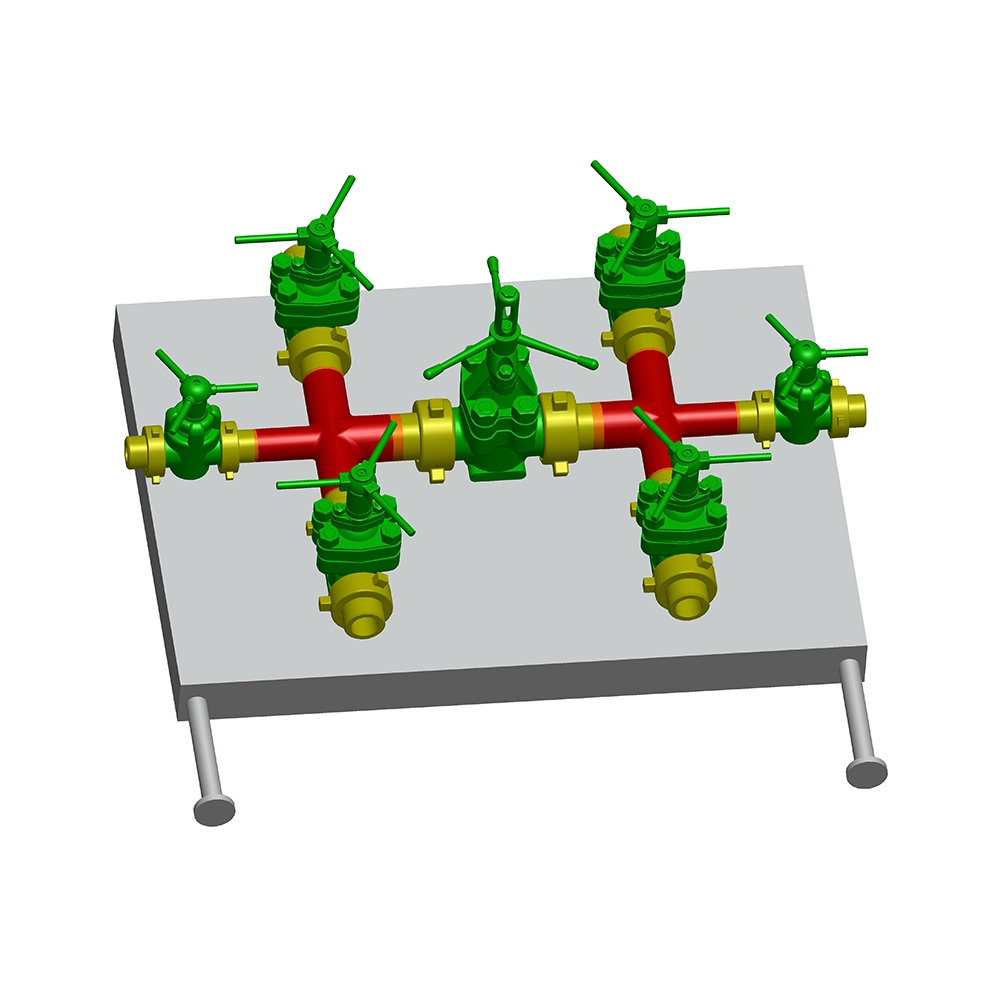
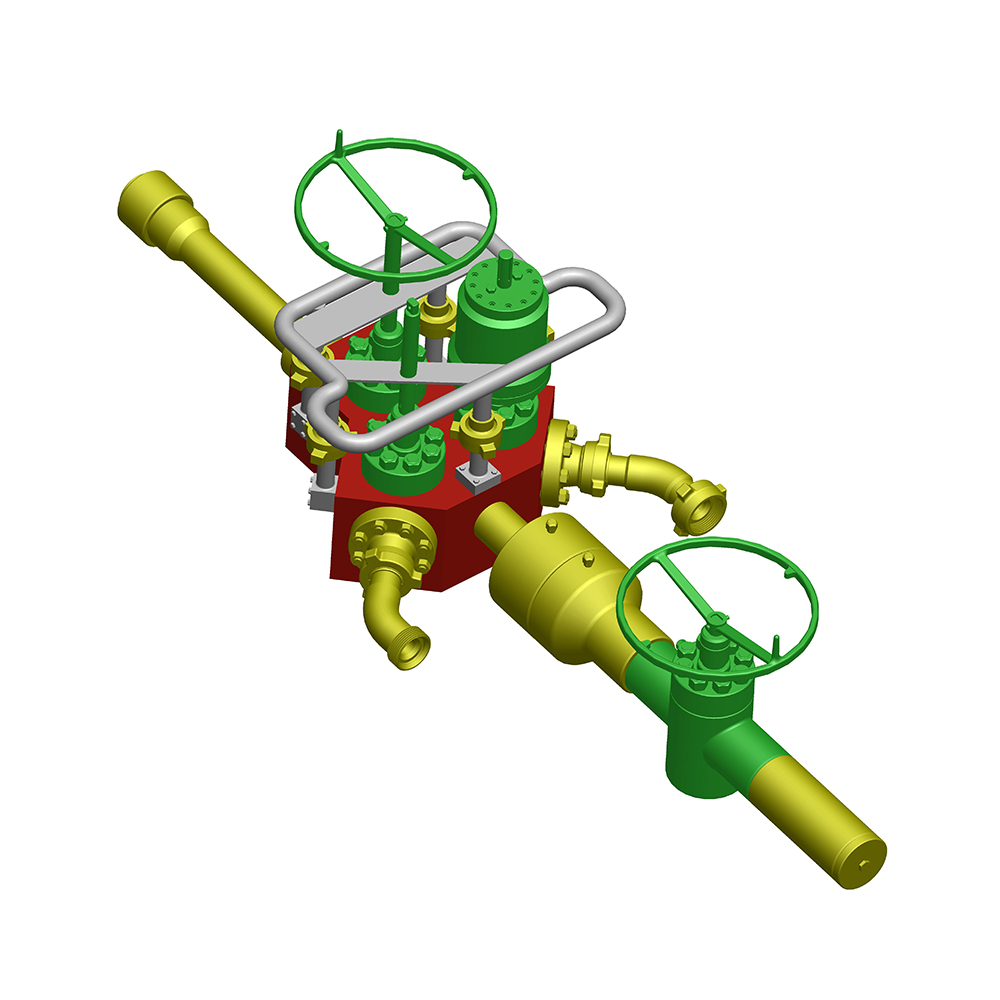
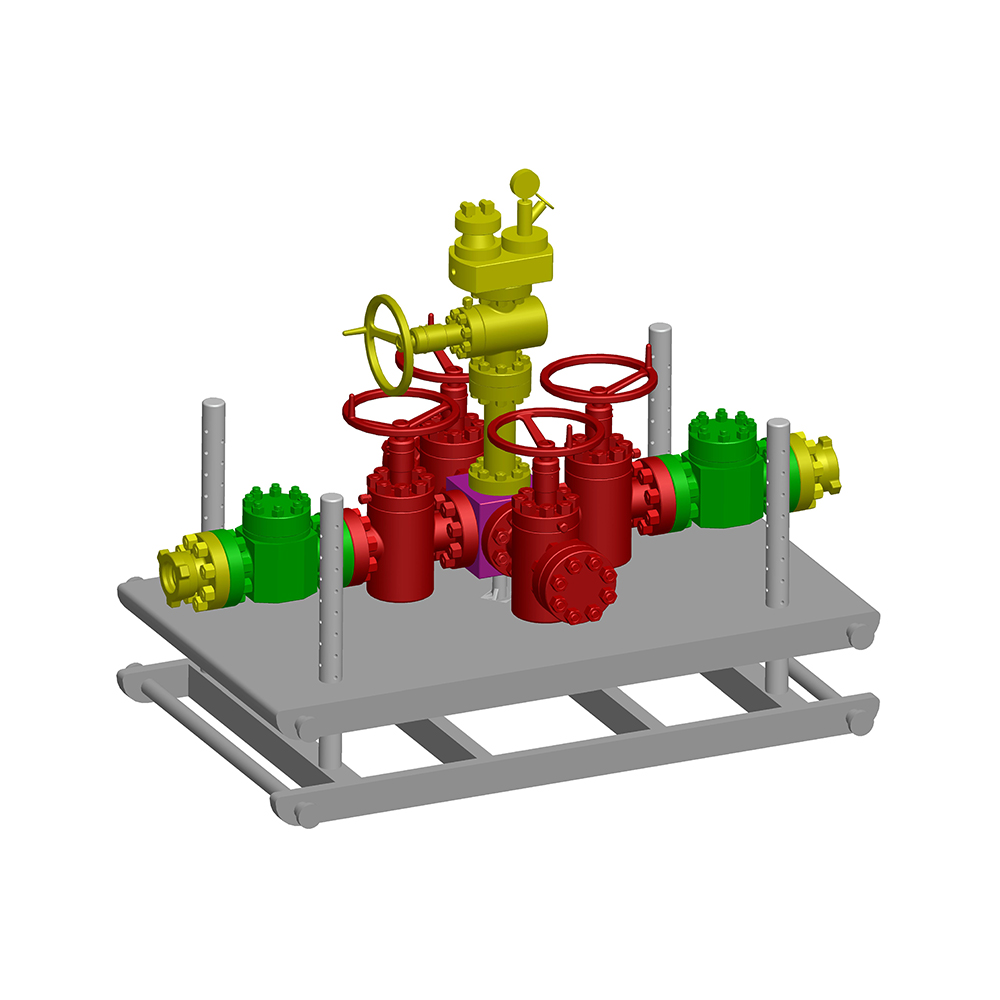
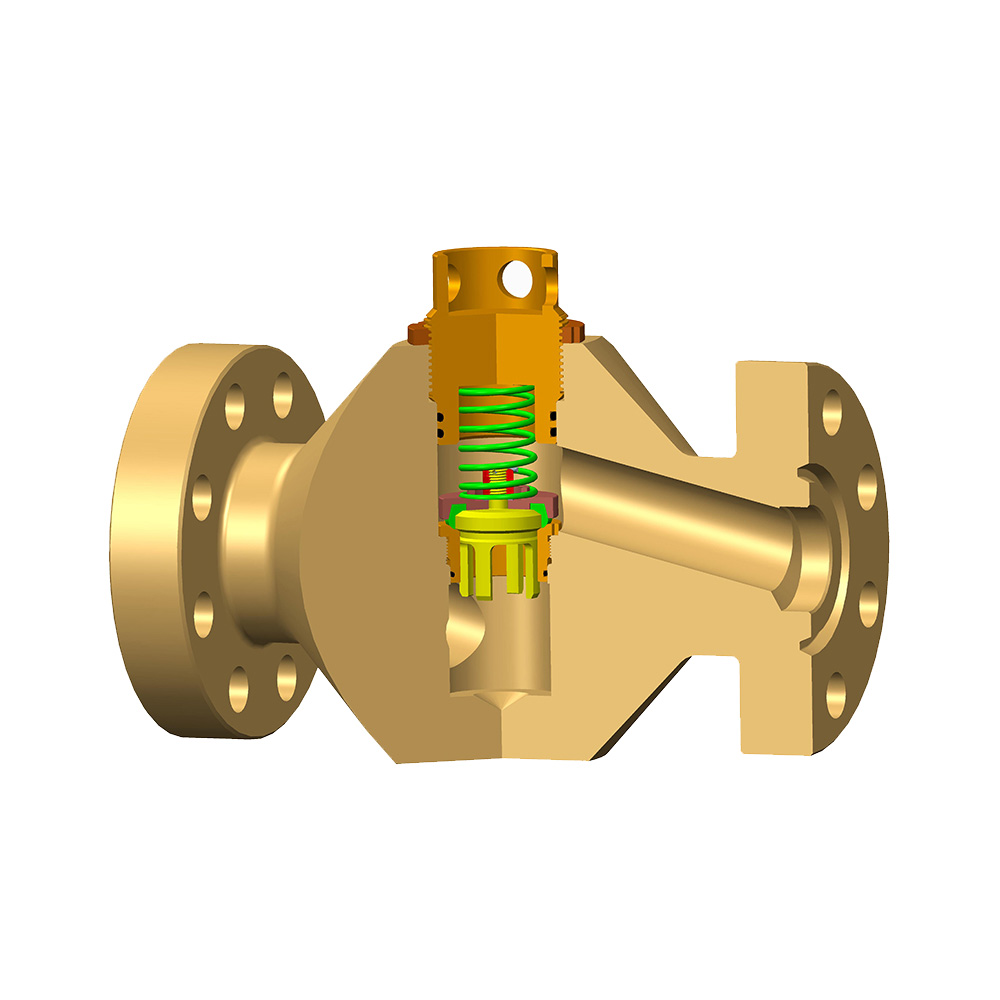
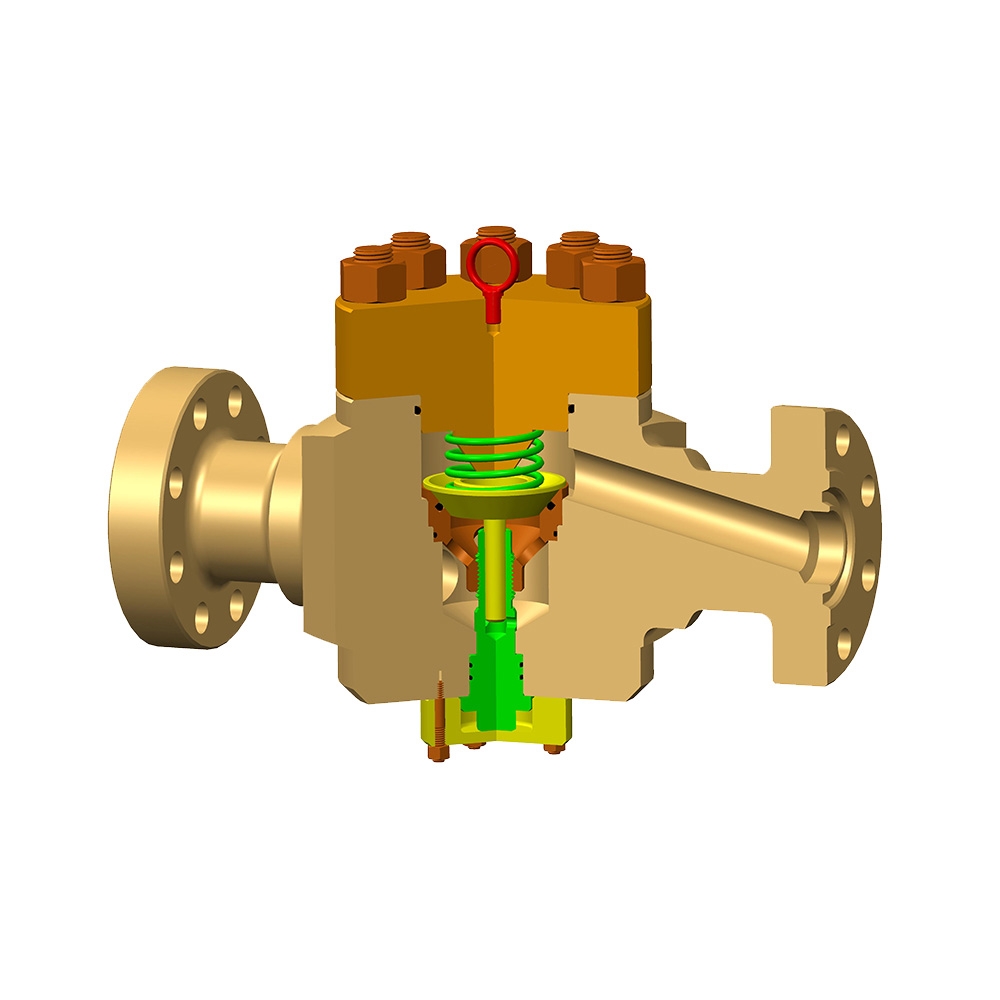
A mud valve is a specialized industrial valve engineered to control the flow of thick, abrasive, or particle-laden fluids — commonly referred to as "mud," slurry, or sludge. It is widely used in oil and gas drilling, wastewater treatment, mining, dredging, and construction applications where standard valves would fail due to clogging, erosion, or excessive wear.
Understanding what a mud valve is, how it works, and which type suits your application can save significant operational cost and downtime. This guide covers everything you need to know — from basic definitions to advanced selection criteria.
Content
- What Is a Mud Valve? — Core Definition
- How Does a Mud Valve Work?
- Common Types of Mud Valves
- Mud Valve Types Comparison Table
- Key Applications of Mud Valves
- Key Materials Used in Mud Valve Construction
- How to Select the Right Mud Valve: 7 Key Factors
- Mud Valve vs. Standard Valve: Key Differences
- Mud Valve Maintenance Best Practices
- Industry Standards for Mud Valves
- Frequently Asked Questions (FAQ) About Mud Valves
- Conclusion
What Is a Mud Valve? — Core Definition
The term mud valve broadly refers to any valve capable of handling high-viscosity, solid-laden, or corrosive fluid media. The word "mud" is an industry shorthand for drilling fluid in oilfield contexts, but it also describes sewage sludge, mine tailings, cement slurry, and similar materials in other industries.
Unlike standard water or steam valves, a mud valve must resist:
- Abrasion — caused by hard particles (sand, rock cuttings, ore) in the fluid stream
- Clogging — due to high solids content that can block narrow flow passages
- Corrosion — from chemically aggressive media such as brine, acid, or alkaline slurries
- High pressure — especially in oil & gas well control scenarios
- Frequent cycling — opening and closing many times per day without seal degradation
How Does a Mud Valve Work?
The working principle of a mud valve depends on its specific design, but all types share the goal of creating a reliable seal that can withstand the mechanical and chemical stress of mud-type media.
1. Full-Bore Straight-Through Flow Path
Many mud valves — particularly gate and plug types — are designed with a full-bore opening that matches the pipe diameter. This eliminates turbulence, prevents sediment accumulation inside the valve body, and allows passage of solid particles without bridging.
2. Elastomeric or Hardened Metal Seating
The seating surfaces are either lined with wear-resistant elastomers (rubber, polyurethane) or made from hardened alloy steel. This means a mud valve can be selected for either chemical flexibility or extreme hardness depending on the abrasiveness of the medium.
3. Self-Cleaning Action
Some designs incorporate a wiping or scraping action during valve operation — the closure element sweeps accumulated solids away from seating surfaces, preventing the valve from "locking up" due to dried or hardened mud deposits.
Common Types of Mud Valves
① Gate Valve (Mud Gate Valve)
The mud gate valve is perhaps the most widely used type in oil & gas drilling. It features a flat or wedge-shaped gate that slides perpendicular to the flow path. When fully open, the gate retracts completely, offering zero flow restriction. Available in API 6A and API 6D configurations for high-pressure drilling systems.
② Knife Gate Valve
The knife gate valve features a thin, sharp-edged gate that cuts through slurry and fibrous media. A dominant choice in wastewater treatment, paper pulp, and mining slurry pipelines. Its sharp gate edge prevents buildup of fibrous materials around the closure.
③ Pinch Valve
A pinch valve works by compressing a flexible rubber sleeve to shut off flow. Since the fluid only contacts the rubber lining, pinch valves are excellent for highly abrasive or corrosive slurries. Commonly used in ceramic, mineral, and chemical processing.
④ Plug Valve
The plug valve uses a cylindrical or tapered plug with a through-hole that rotates 90° to open or close. Lubricated plug valves are a classic choice in oil field mud systems, providing a reliable seal under high pressure and temperature.
⑤ Ball Valve (Slurry Ball Valve)
Specially designed slurry ball valves feature hardened ball surfaces (often tungsten carbide coated), cavity-free body design, and reinforced seats. They provide a bubble-tight shut-off and are suitable for moderate slurry applications.
⑥ Diaphragm Valve
A flexible membrane presses against a weir or closes across the full bore to stop flow. No packing, no cavities, no metal-to-fluid contact — ideal for corrosive chemical slurries or hygienic applications. Widely used in pharmaceutical, food processing, and chemical industries.
Mud Valve Types Comparison Table
| Valve Type | Abrasion Resistance | Solids Handling | Pressure Range | Best Application | Throttling |
| Mud Gate Valve | High | Good | Very High (up to 20,000 psi) | Oil & Gas Drilling | No |
| Knife Gate Valve | Medium–High | Excellent (fibrous) | Low–Medium | Wastewater, Pulp & Paper | Limited |
| Pinch Valve | Very High (rubber) | Excellent | Low–Medium | Mining, Ceramics | Yes |
| Plug Valve | High | Good | High | Oil Field Mud Systems | No |
| Slurry Ball Valve | High (coated) | Moderate | Medium–High | Chemical, General Slurry | No |
| Diaphragm Valve | Medium | Good | Low–Medium | Chemical, Pharmaceutical | Yes |
Key Applications of Mud Valves
1. Oil & Gas Drilling
In drilling operations, drilling mud carries rock cuttings to surface, cools the bit, and maintains wellbore pressure. Mud valves — especially high-pressure gate and plug valves — control this abrasive, weighted fluid throughout the surface mud system including shale shakers, mud pits, and desanders.
2. Municipal Wastewater Treatment
Sewage treatment plants rely on mud valves — primarily knife gate and pinch valves — to control raw sewage, activated sludge, and dewatered biosolids. These valves must handle high concentrations of suspended solids, fibrous materials, and aggressive chemicals.
3. Mining and Mineral Processing
Mine tailing slurries — mixtures of fine mineral particles and water — are among the most abrasive fluids in any industry. Mud valves must withstand continuous abrasion from hard particles like silica, iron ore, and copper concentrate. Pinch valves and lined gate valves are the preferred solutions.
4. Dredging Operations
Dredging equipment pumps mud, sand, gravel, and water from riverbeds, harbors, and coastlines. Robust mud valves are required to isolate sections of pipeline without blocking due to heavy sediment loads.
5. Construction and Foundation Engineering
Bentonite slurry, concrete, and cement grout are used in bored pile, diaphragm wall, and tunneling construction. Mud valves control these fluids during placement, ensuring no unwanted flow or backflow.
6. Power Generation (Ash Handling)
Thermal power plants transport fly ash and bottom ash as water–ash slurries. Mud valves must resist both particle erosion and the alkaline chemistry of the ash–water mixture across these demanding pipelines.
Key Materials Used in Mud Valve Construction
| Component | Common Materials | Reason |
| Valve Body | Carbon steel, Ductile iron, 316 SS, Duplex SS | Structural strength, corrosion resistance |
| Gate / Plug / Ball | Hardened steel, Tungsten carbide, Stellite alloy | Abrasion resistance under high particle impact |
| Seat / Seal | EPDM, NBR, PTFE, Polyurethane, Ceramic | Chemical compatibility, sealing performance |
| Lining | Natural rubber, Neoprene, UHMWPE, Ceramic tiles | Protect metal from abrasion and corrosion |
| Stem / Actuator | Stainless steel, Inconel, Monel | Corrosion and stress-corrosion resistance |
How to Select the Right Mud Valve: 7 Key Factors
- Slurry Characteristics: Solids content, particle size and hardness, and fluid corrosivity all define the wear life of any mud valve in your system.
- Operating Pressure and Temperature: High-pressure applications demand API-rated gate or plug valves. Low-pressure slurry lines can use knife gate or pinch valve designs.
- Function — On/Off or Throttling: Gate and plug valves are purely on/off. Pinch and diaphragm valves can throttle flow. Specifying the wrong type causes rapid seat damage.
- Pipe Size and Connection Standard: Ensure the mud valve matches your pipeline's nominal bore (DN/NPS) and flange standard (ANSI/ASME, DIN, API, JIS).
- Actuation Method: Manual, pneumatic, hydraulic, or electric actuation. Remote operation is essential in hazardous or hard-to-reach locations.
- Installation Orientation: Some mud valve designs are orientation-sensitive. Verify whether the valve supports horizontal, vertical, or angled installation.
- Maintenance Requirements: Choose valves with accessible packing and replaceable seats to minimize planned downtime.
Mud Valve vs. Standard Valve: Key Differences
| Feature | Mud Valve | Standard Process Valve |
| Flow path design | Full-bore, no dead zones | Often reduced bore, cavities present |
| Wetted surface material | Hardened alloy or rubber-lined | Standard stainless or carbon steel |
| Seal / packing design | Heavy-duty, particle-excluding | Standard PTFE or graphite packing |
| Service life in slurry | Years (with proper selection) | Weeks to months (rapid erosion) |
| Clogging tendency | Minimal (designed to avoid) | High (internal cavities trap solids) |
| Cost | Higher upfront | Lower upfront, higher total cost |
Mud Valve Maintenance Best Practices
- Regular exercising: Cycle the valve fully open and closed at least monthly to prevent seizure due to hardened deposits.
- Flush after shutdown: Flush with clean water after stopping slurry flow to remove settled solids.
- Check packing / gland seals: Re-tighten or replace packing at the first sign of leakage.
- Monitor actuator torque: A sudden torque increase indicates wear or solids accumulation — address it promptly.
- Inspect lining condition: Check rubber-lined mud valves for cracks, blistering, or erosion pitting at each maintenance interval.
- Stock spare parts: Keep critical wear parts (seats, seals, packing) on-site to minimize downtime when replacement is needed.
Industry Standards for Mud Valves
- API 6A — Wellhead and Christmas tree equipment (high-pressure mud gate valves in oil & gas)
- API 6D — Pipeline valves (plug and gate valves in oil & gas systems)
- ASME B16.34 — Valves flanged, threaded, and welding end
- MSS SP-81 — Stainless steel, bonnetless, flanged, knife gate valves
- ISO 10497 — Testing of valves — Fire type-testing requirements
- EN 13709 — Industrial valves — European standard for globe and stop-check valves
Frequently Asked Questions (FAQ) About Mud Valves
Q1: What is the difference between a mud valve and a slurry valve?
The terms are often used interchangeably. "Mud valve" is more common in oil & gas and construction drilling contexts, while "slurry valve" is preferred in mining and mineral processing. Both refer to valves engineered for solid-laden, abrasive fluids.
Q2: Can a mud valve be used for clean water service?
Yes — a mud valve will function in clean water service but it is over-engineered and costs significantly more than a standard water valve of equivalent size and rating. It is generally not economically justified unless slurry entry into the line is possible.
Q3: How long does a mud valve last?
In mild slurry service with good maintenance, a quality mud valve can last 5–15 years. In severe abrasive slurry (e.g., silica-rich mine tailings at high velocity), service life may be as short as 1–2 years even with correct selection.
Q4: What causes a mud valve to fail?
Common failure modes include: (1) abrasive wear of seat and closure element, (2) clogging with hardened slurry deposits, (3) stem seal failure causing external leakage, and (4) actuator failure due to excessive torque from internal wear or seizure.
Q5: Is a knife gate valve always a mud valve?
Not always. Knife gate valves are commonly used in slurry service, but also in dry bulk powder systems and pulp & paper applications. Conversely, not all mud valves are knife gate valves — gate, plug, pinch, and diaphragm designs are all used in mud service.
Q6: What pressure rating do mud valves come in?
Knife gate valves are typically rated 10–25 bar. High-pressure mud gate valves for oil & gas drilling reach up to 138 MPa (20,000 psi) for ultra-deepwater or HP/HT well applications. Always match the valve rating to your system's MAOP with an appropriate safety factor.
Q7: What size mud valve do I need?
Mud valves are available from DN25 (1 inch) up to DN1200 (48 inches) or larger. Size selection should be based on pipeline bore, required flow rate, and pressure drop budget — not simply matching the connected pipe diameter.
Conclusion
A mud valve is far more than a standard industrial valve — it is a purpose-engineered component designed for the demanding, abrasive nature of mud, slurry, and sludge media. From high-pressure drilling operations in oil & gas fields to wastewater treatment plants, mining operations, and dredging projects, the correct mud valve selection is critical to reliability, safety, and total cost of ownership.
By understanding the different types — gate, knife gate, pinch, plug, ball, and diaphragm — and matching them to your specific application requirements, you can significantly extend service life, reduce maintenance costs, and avoid unplanned shutdowns. Investing in the right mud valve upfront is always more cost-effective than repeatedly replacing a failed standard valve over the life of your system.