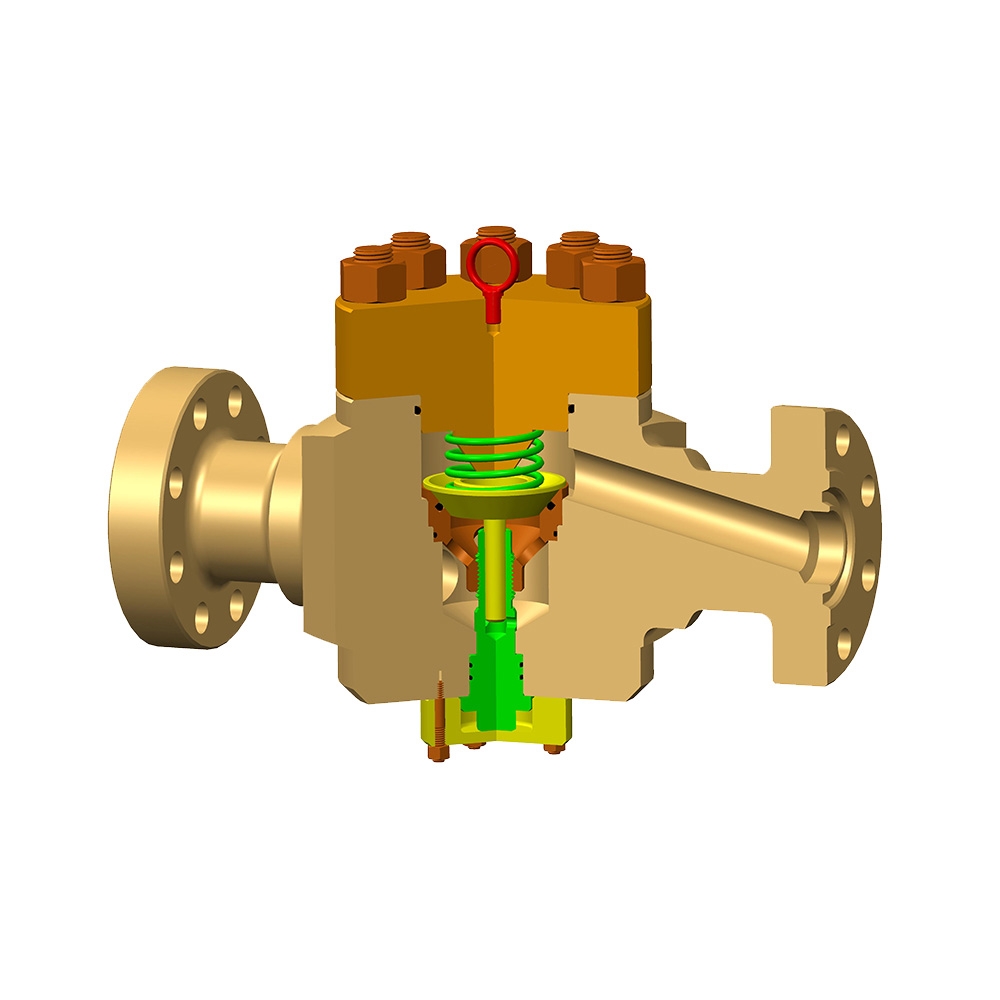
English
 русский
An intelligent wellhead system is a wellhead assembly that combines the mechanical pressure-containing components with automated control, real-time data acquisition, and remote actuation. It turns a passive production interface into an active asset that can monitor itself, detect anomalies, and respond faster than a field crew can. For operators facing high-pressure wells, remote locations, or aging infrastructure, the value is not theoretical: it is a practical way to reduce downtime, improve safety, and keep production consistent.
Content
- What Is an Intelligent Wellhead System?
- Core Components of an Intelligent Wellhead System
- How Intelligent Wellhead Systems Improve Operations
- What to Consider When Selecting Intelligent Wellhead Components
- Applications in Oil and Gas Operations
- Frequently Asked Questions
- What is the difference between an intelligent wellhead and a conventional wellhead?
- Can intelligent wellhead systems be retrofitted to existing wells?
- What standards should wellhead components meet?
- Do intelligent wellhead systems require special maintenance?
- How much can an intelligent wellhead system reduce downtime?
What Is an Intelligent Wellhead System?
An intelligent wellhead system is a complete package built on API-standard wellhead hardware with an added automation layer for monitoring and control. The mechanical foundation is the same as any conventional wellhead: casing head, tubing head, and Christmas tree. What changes is the addition of sensors, actuators, and a control platform that continuously reads wellhead conditions and acts on them.
In practice, the system collects pressure, temperature, and flow data, then uses a local or remote controller to adjust chokes, open or close safety valves, and even shut in the well automatically if an alarm threshold is exceeded. The operator can supervise the system through a SCADA interface or a simple control panel. This is not about replacing experienced personnel; it is about giving them better information and faster tools.
For a practical example of how wellhead monitoring works in real time, see our article on how wellhead devices monitor operational status. That discussion covers the sensor types, data communication, and alarm logic that make an intelligent system effective.
Core Components of an Intelligent Wellhead System
The core components are the same wellhead parts you would find in any API-compliant installation, but selected for their compatibility with automation and remote control. Each element plays a specific role in maintaining well integrity while allowing the operator to manage flow and pressure from a distance.
- Casing head and casing hanger: provide the primary seal and support for the casing string at the surface.
- Tubing head and tubing hanger: suspend the production tubing and seal the annulus between tubing and casing.
- Christmas tree: routes produced fluids to the flowline and provides access points for intervention.
- Choke manifold: controls the flow rate and pressure downstream of the tree.
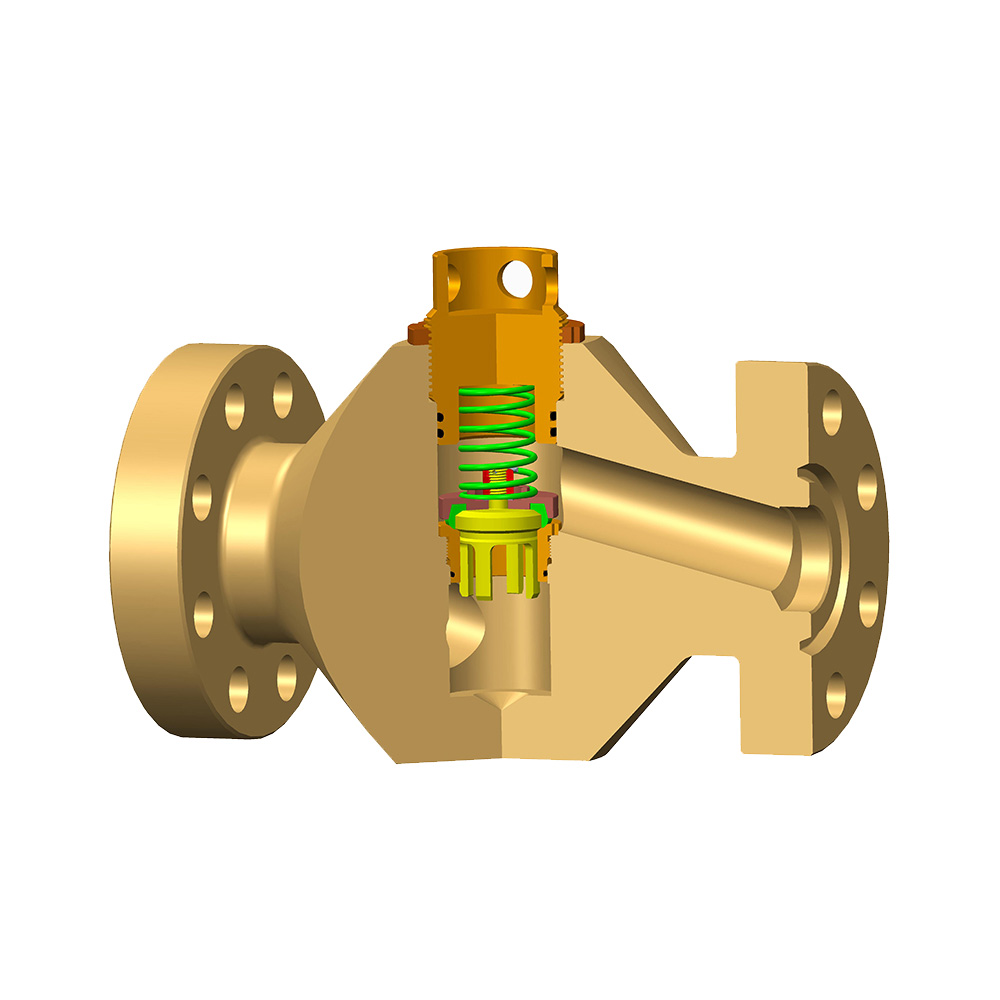
- Safety valves: provide automatic shut-in protection when pressure or flow exceeds preset limits.
- Control panel and instrumentation: gather data, display it locally, and issue commands to actuators.
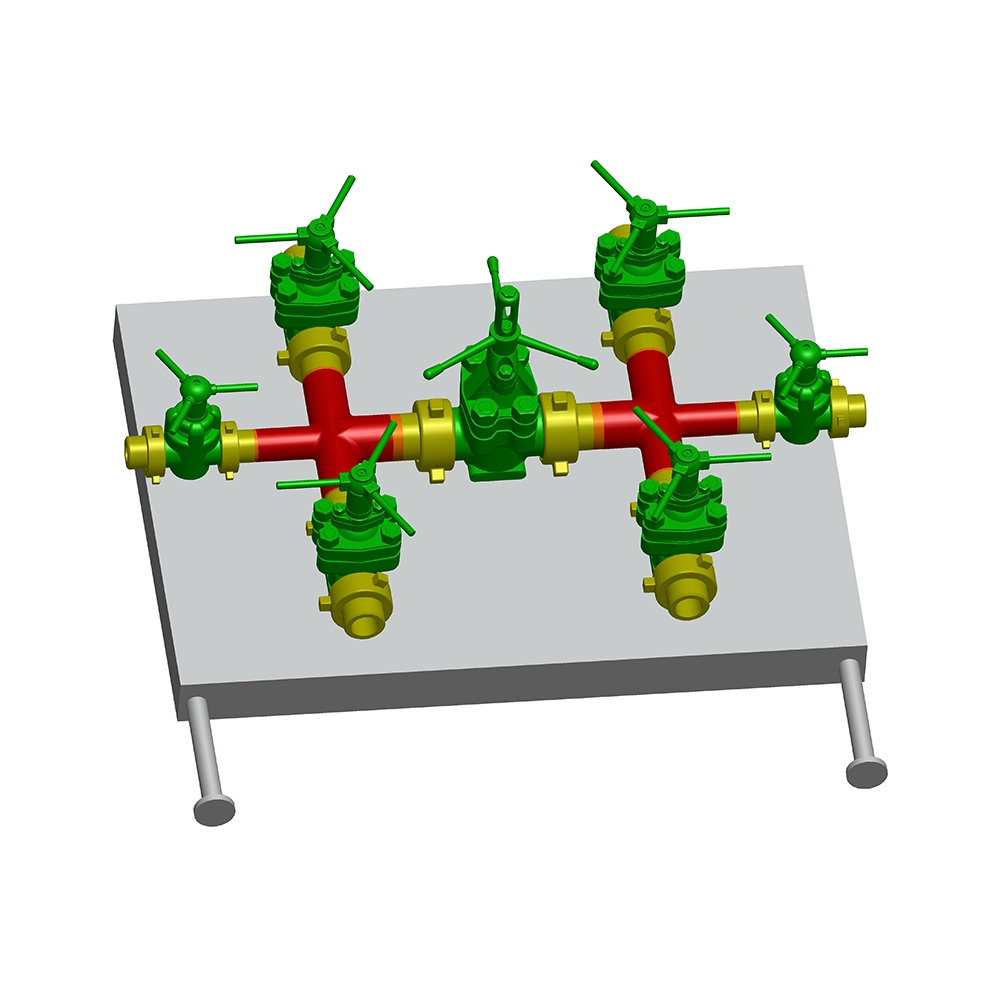
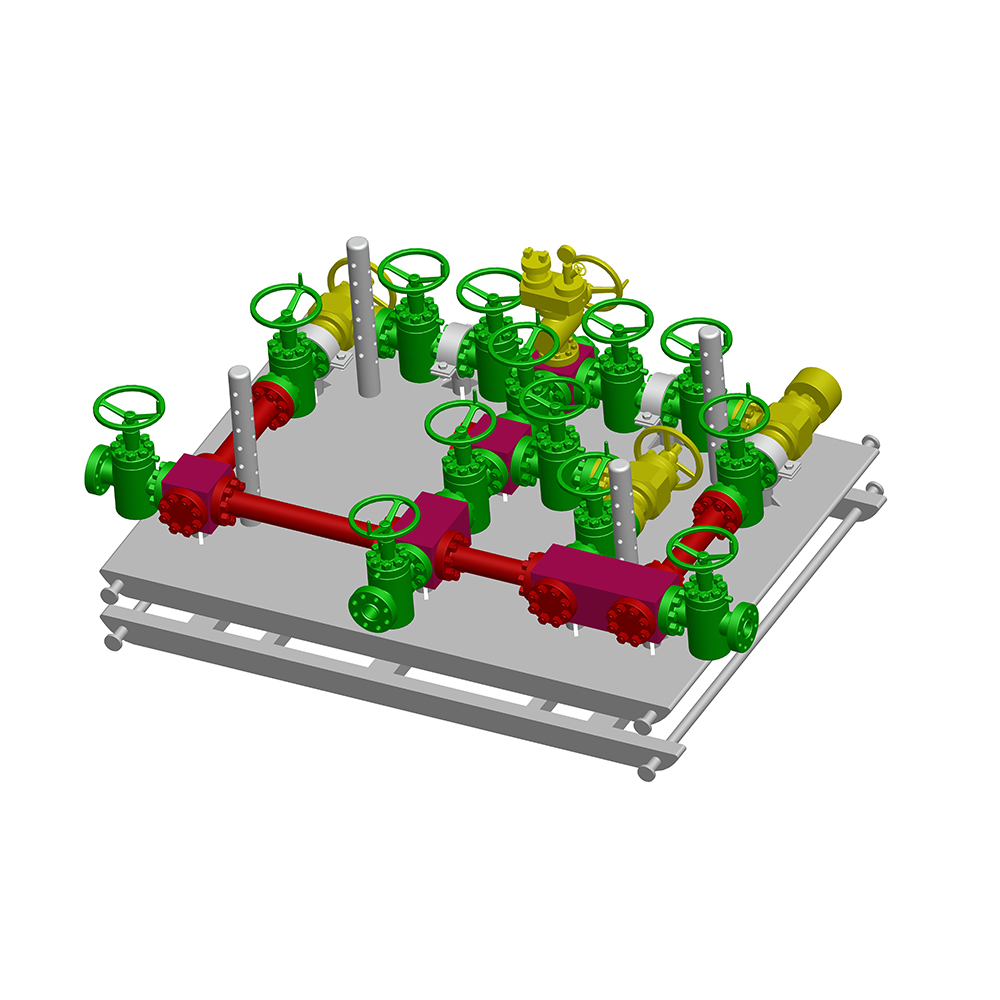 Choke Manifold for Well Pressure and Flow ControlThis choke manifold regulates well pressure and flow rate, making it suitable for automated systems. It can be equipped with remote actuation for integration into control loops, supporting efficient operations.View Product →
The choke manifold is especially important in an intelligent wellhead system because it acts as the primary flow-regulation device. Motorized or hydraulic chokes can be adjusted remotely, which eliminates the need for an operator to travel to the well when the flowline conditions change. Our choke manifold product is available in a range of pressure ratings and can be fitted with remote actuation for integration into an automated control loop.
How Intelligent Wellhead Systems Improve Operations
Intelligent wellhead systems improve operations by automating routine decisions, reducing human error, and shortening the response time to abnormal well conditions. With continuous data and automatic actuation, the system can catch a small pressure anomaly and correct it before it becomes a full-scale shutdown.
| Operational aspect | Conventional wellhead | Intelligent wellhead |
|---|---|---|
| Pressure monitoring | Manual gauge reading | Continuous sensor data |
| Flow adjustment | Operator travels to the wellhead | Remote or automatic actuation |
| Safety response | Delayed after alarm | Automatic shutdown at setpoints |
| Data collection | Paper logs or disconnected systems | Integrated historian and SCADA |
| Downtime risk | Higher due to delayed actions | Lower due to early detection |
This table shows why intelligent systems are attractive to production engineers. In a conventional well, a field operator must physically walk to the wellhead, read a gauge, decide whether to adjust a choke, and then perform the adjustment. In an intelligent system, that entire loop can be completed in seconds by a controller using setpoints defined by the production team. The result is fewer unplanned trips to the well and less exposure to hazardous conditions.
What to Consider When Selecting Intelligent Wellhead Components
Start with API certification and material selection, because these two factors determine whether the equipment can handle the ratings and service conditions you actually need. The intelligent layer cannot compensate for a mechanical component rated for the wrong pressure class or the wrong fluid.
Pressure rating and flange specification should be confirmed against the maximum anticipated wellhead operating pressure. For example, a production tree rated 5,000 psi is not safe for a 10,000 psi well. Temperature rating matters equally, especially in high-temperature or geothermal wells. The fluid composition also drives material choice; sour service wells require trim materials that meet NACE MR0175, even if the base design conforms to API 6A. Overlooking these details often leads to expensive field replacements or, worse, unsafe operating conditions.
Integration readiness is another priority. In intelligent systems, the control panel must be able to communicate with the wellhead sensors and actuators without excessive custom engineering. A single supply chain for the tree, choke, and safety valve reduces communication issues and simplifies commissioning. Our manufacturing process follows API standards, and our certifications and honors are documented on the site for easy verification.
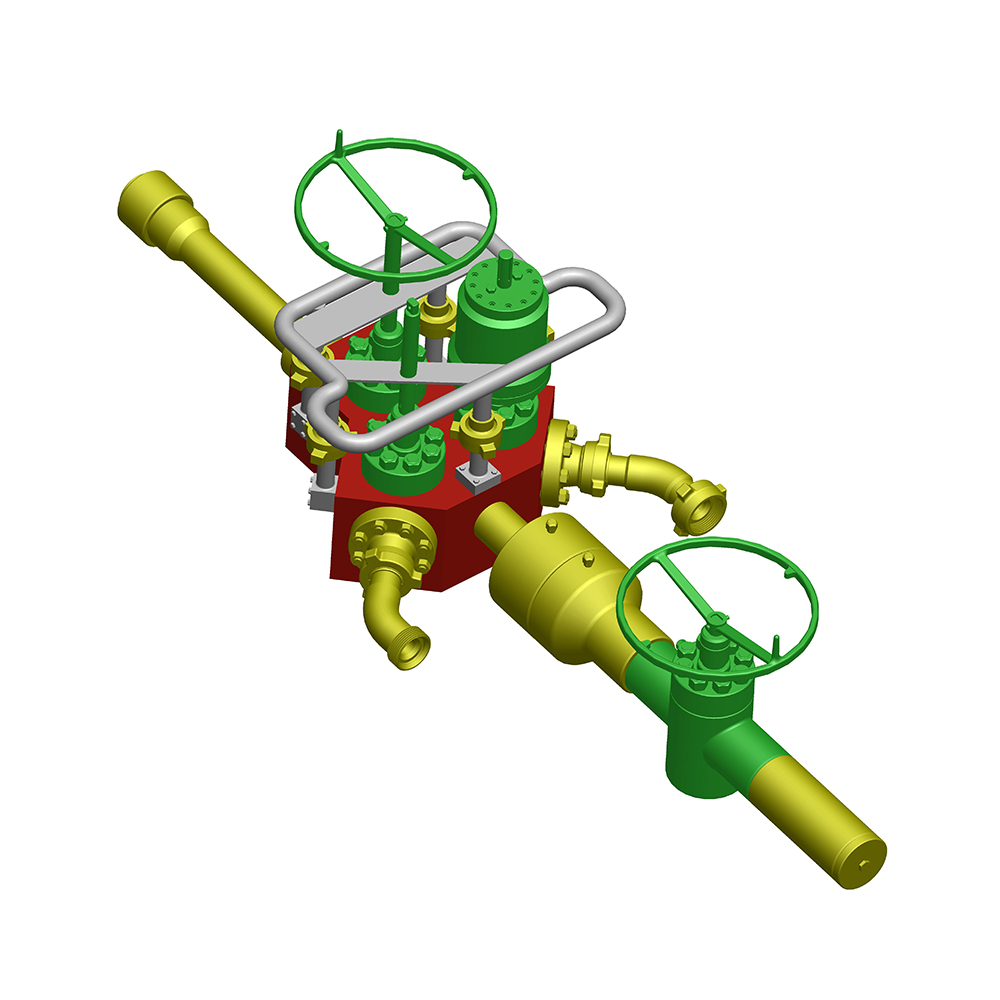
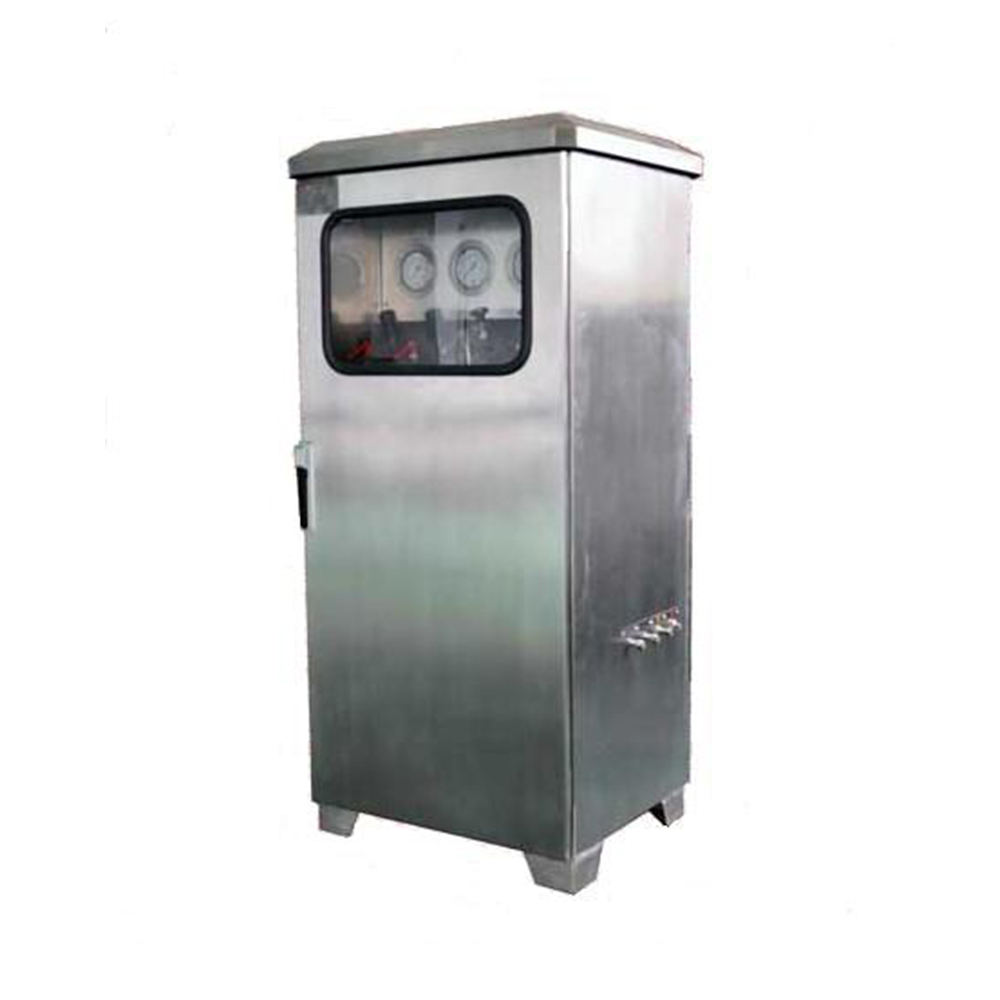 Control Panel for Automated Wellhead OperationThis control panel serves as the central interface for intelligent wellhead systems. It supports local and remote operation with clear alarm setpoints and fail-safe logic, ensuring safe management of production incidents.View Product →
The control panel is the brain of the entire intelligent wellhead system. It needs to be rugged, weatherproof, and able to operate in the same harsh environment as the wellhead itself. Look for a panel with clear alarm setpoints, fail-safe logic, and support for both local and remote operation. A well-designed panel can be the difference between a controlled shut-in and a major production incident.
Applications in Oil and Gas Operations
Intelligent wellhead systems deliver the biggest returns in high-pressure wells, remote locations, and wells with frequent flow changes. These are the conditions where the speed and consistency of automated control matter most.
- High-pressure fracturing operations: automated chokes and safety valves protect pumps and surface equipment during rapid pressure swings.
- Offshore platforms: remote monitoring reduces the need for personnel on the wellhead deck and speeds up emergency response.
- Geothermal wells: continuous temperature and pressure data help manage scaling and wellbore stability.
- Electric submersible pump (ESP) wells: integrated measurements help optimize pump speed and detect gas interference.
- Dual tubing completions: intelligent control becomes more valuable when two zones need independent management.
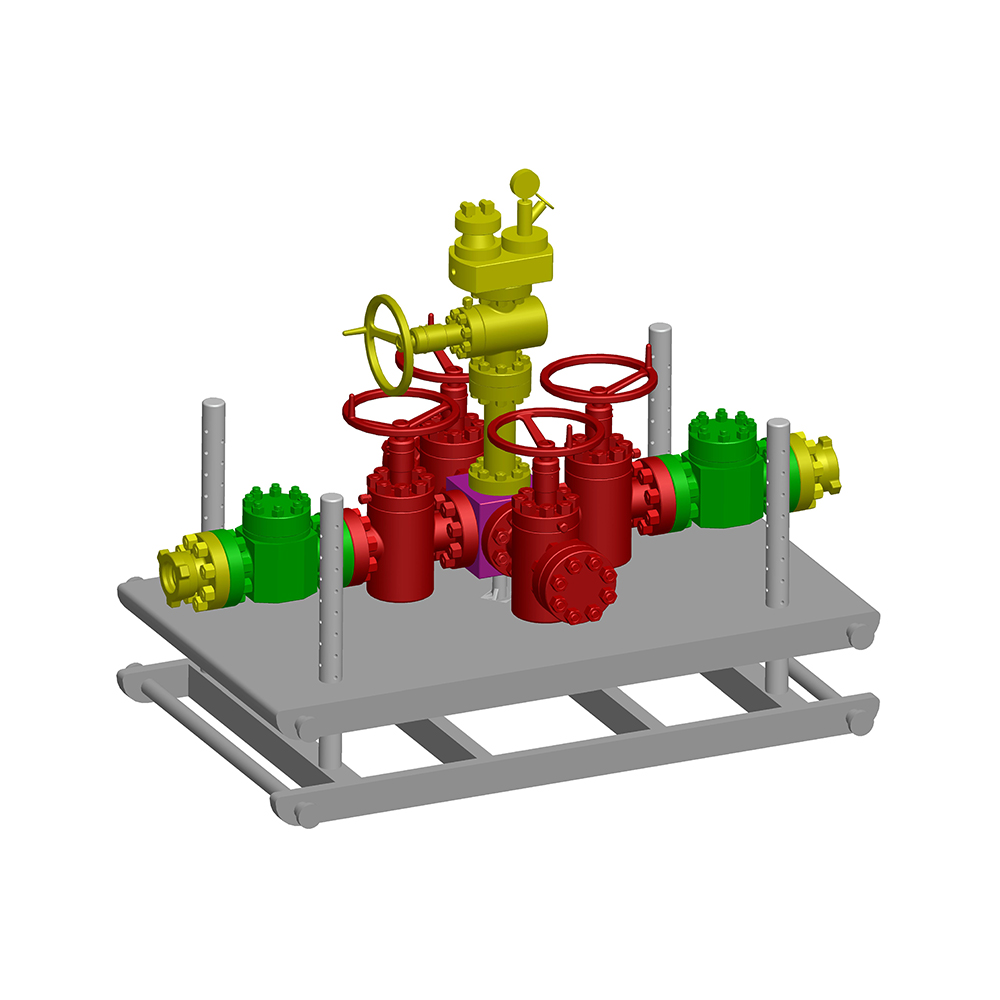
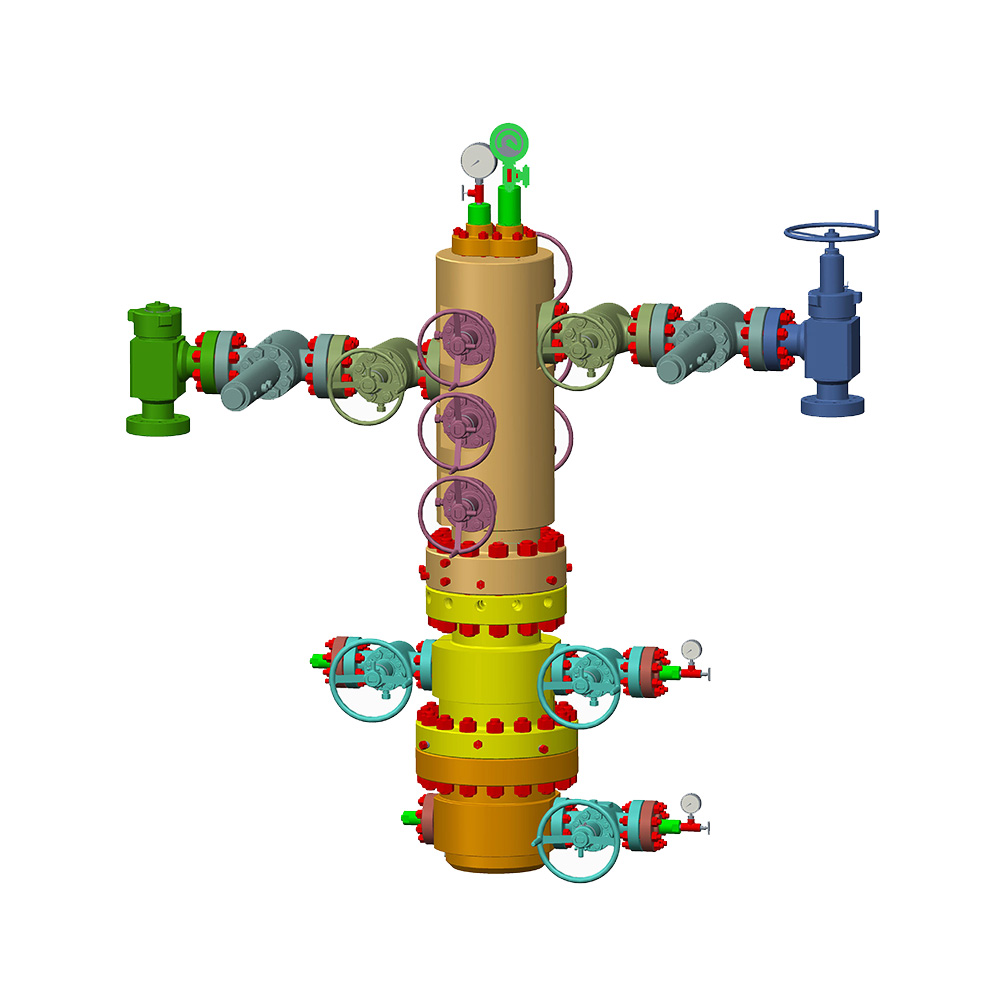 Dual Tubing Christmas Tree for Multi-Zone CompletionsThis dual tubing Christmas tree accommodates single-well, dual-zone completions, allowing independent monitoring and choking of each string. It is designed to work with automated control systems for reliable operation.View Product →
Dual tubing Christmas trees are a particularly good fit for intelligent wellhead logic. In a single-well, dual-zone completion, the operator needs to monitor and choke each tubing string without comingling production prematurely. A tree equipped with independent valves and automated control can do that reliably. Our dual tubing Christmas tree is engineered for such completions, and it works alongside the control systems described above.
Frequently Asked Questions
What is the difference between an intelligent wellhead and a conventional wellhead?
The intelligent version adds sensors, actuators, and a control platform to the same pressure-containing mechanical components, allowing automatic monitoring and remote adjustment.
Can intelligent wellhead systems be retrofitted to existing wells?
Yes, many retrofit solutions are available, but the maximum benefit comes when the wellhead components and control panel are designed together from the start.
What standards should wellhead components meet?
API standards, especially API 6A for wellhead and Christmas tree equipment, are the industry benchmark for design and material requirements.
Do intelligent wellhead systems require special maintenance?
They require the same mechanical maintenance as conventional equipment plus periodic calibration of sensors and testing of actuator logic.
How much can an intelligent wellhead system reduce downtime?
Downtime reduction depends on the operation, but earlier detection of leaks and pressure anomalies typically prevents the kind of extended outages that require well intervention.