English
 русский
Expanding gate valves play a critical role in high-pressure oil well operations by controlling the flow of fluids and ensuring the safety and efficiency of the operation. Selecting the right expanding gate valve can significantly impact the overall performance and longevity of the oil well system.
Content
Understanding Expanding Gate Valves
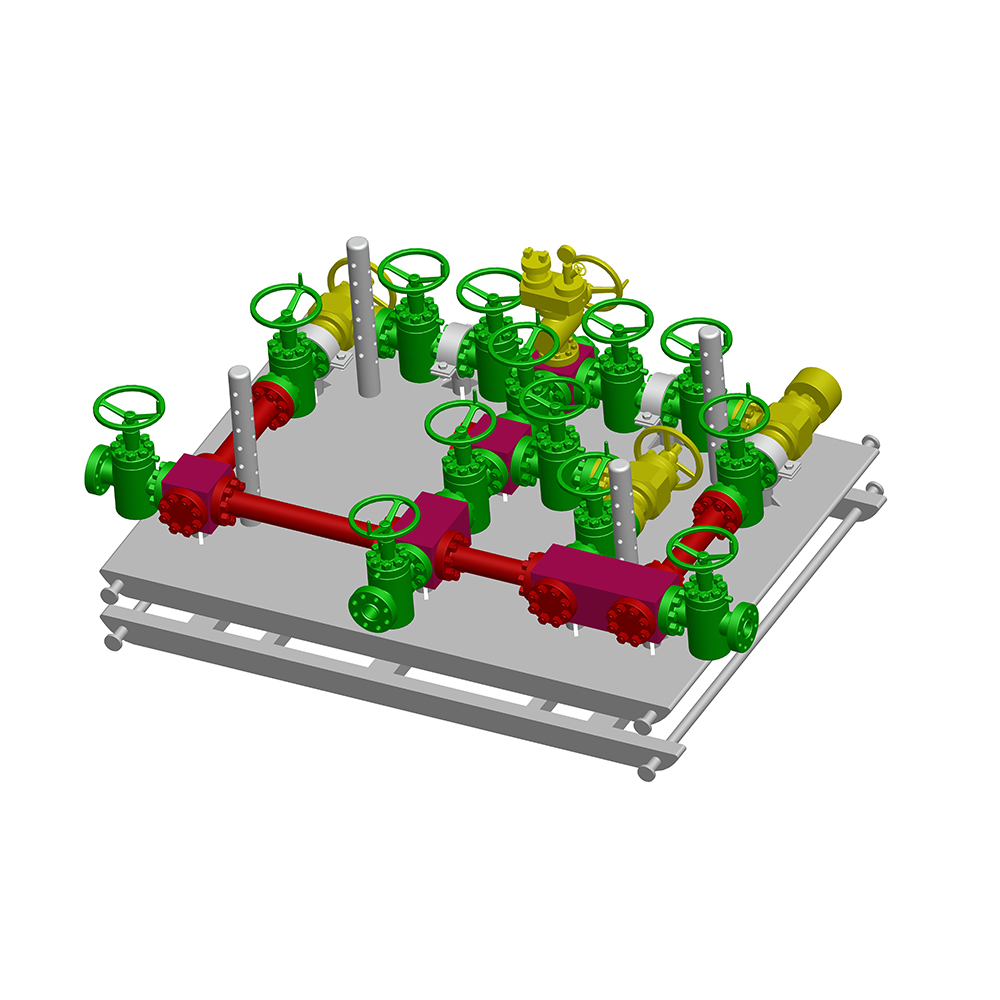
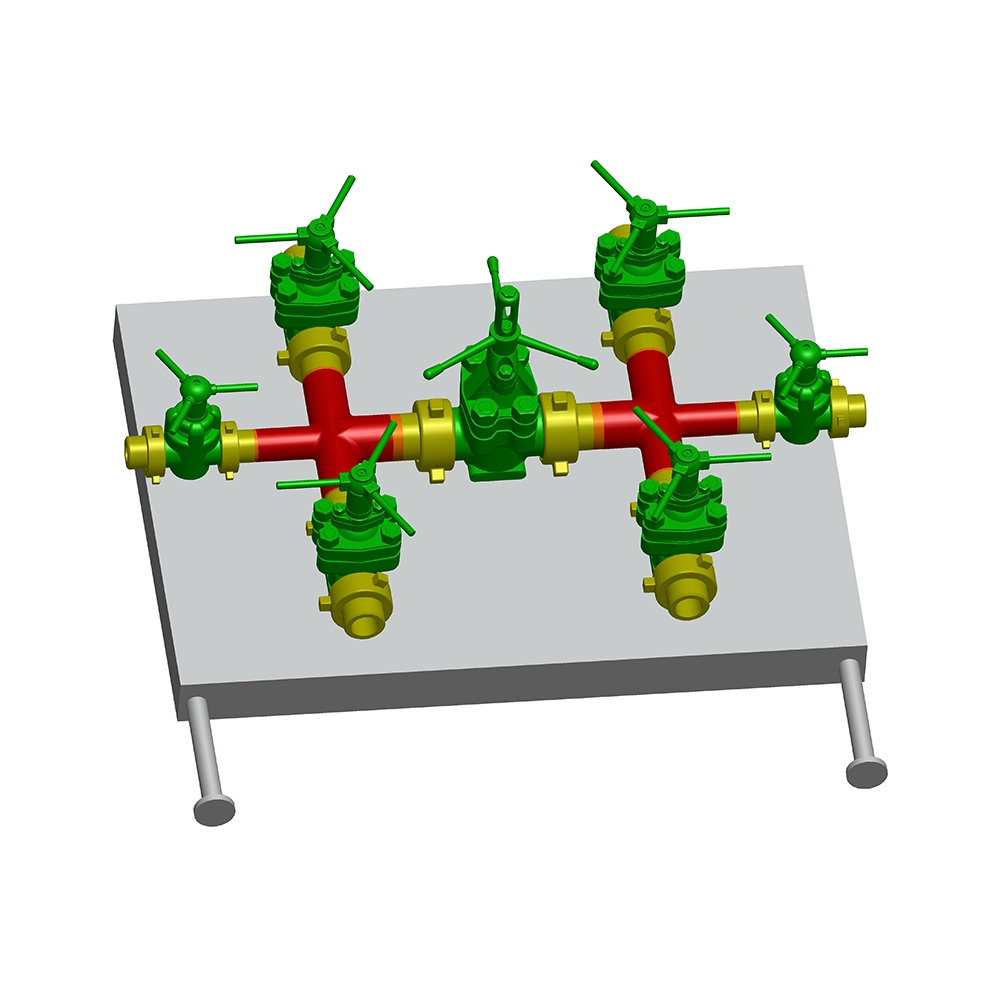
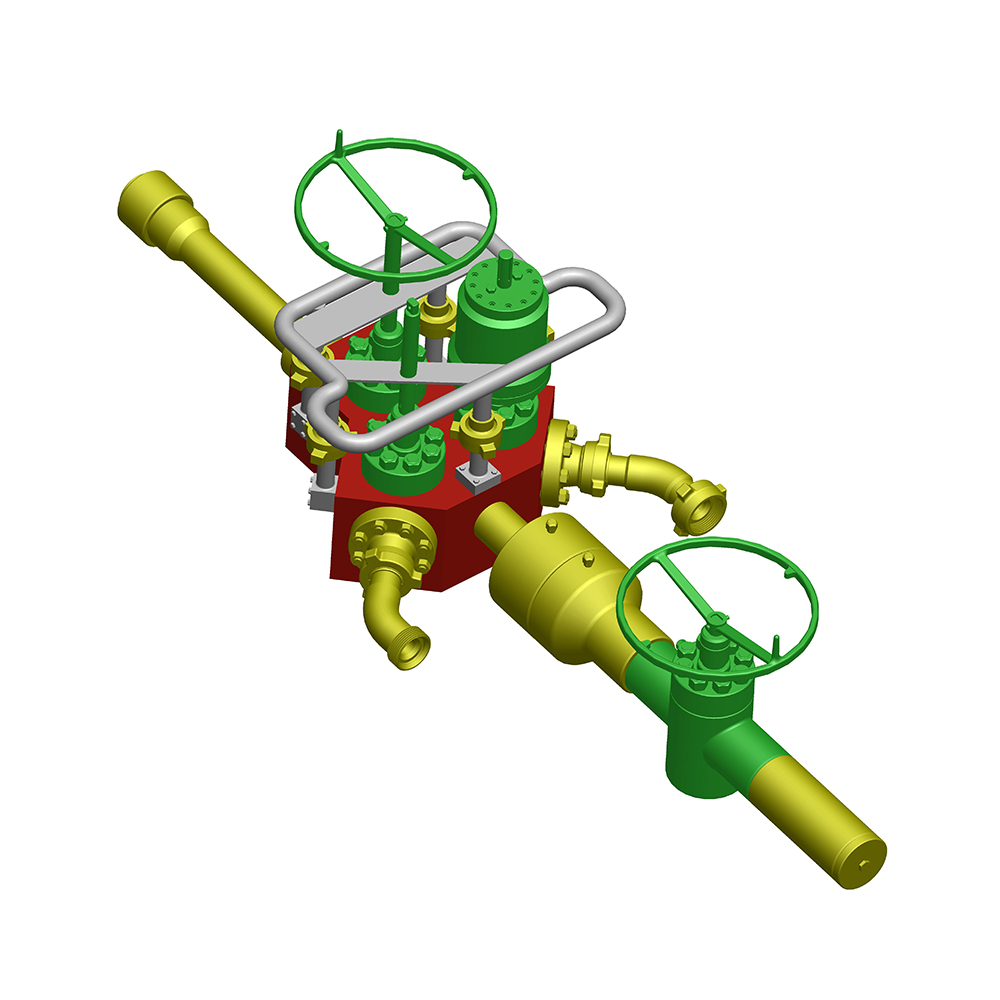
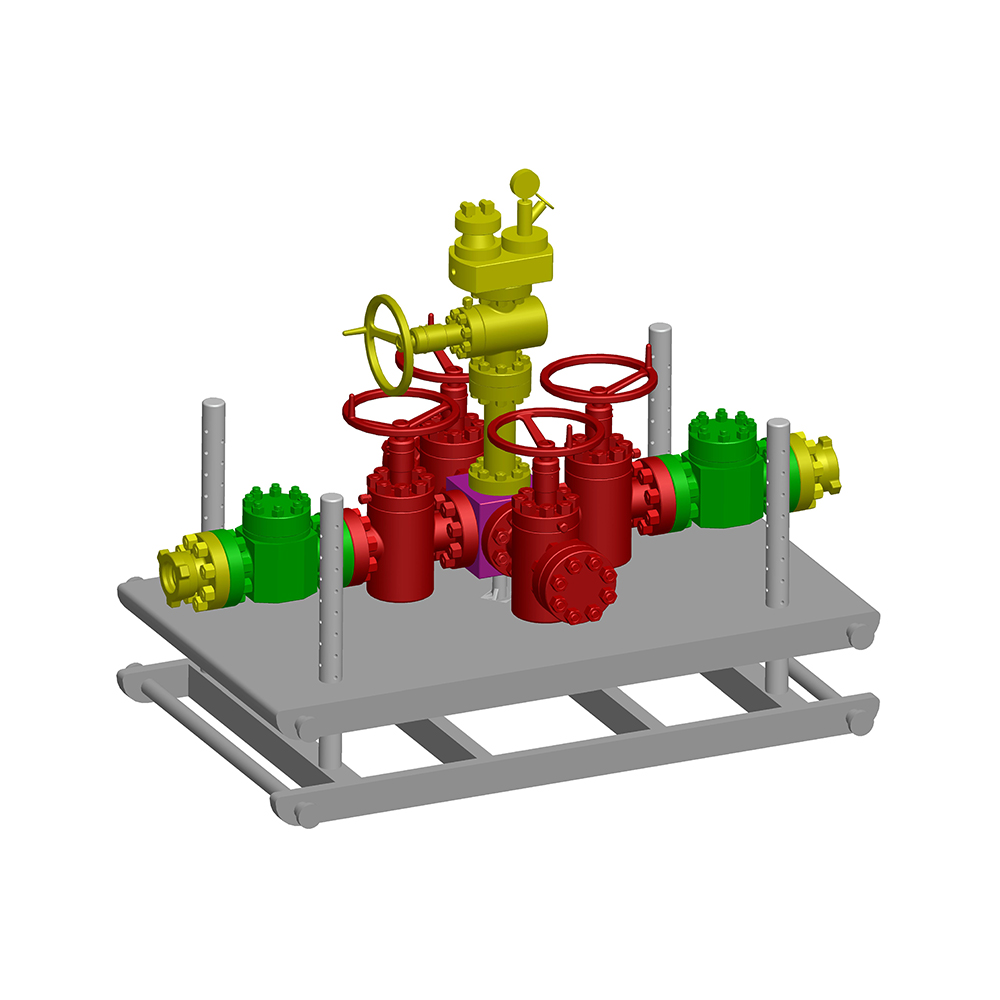
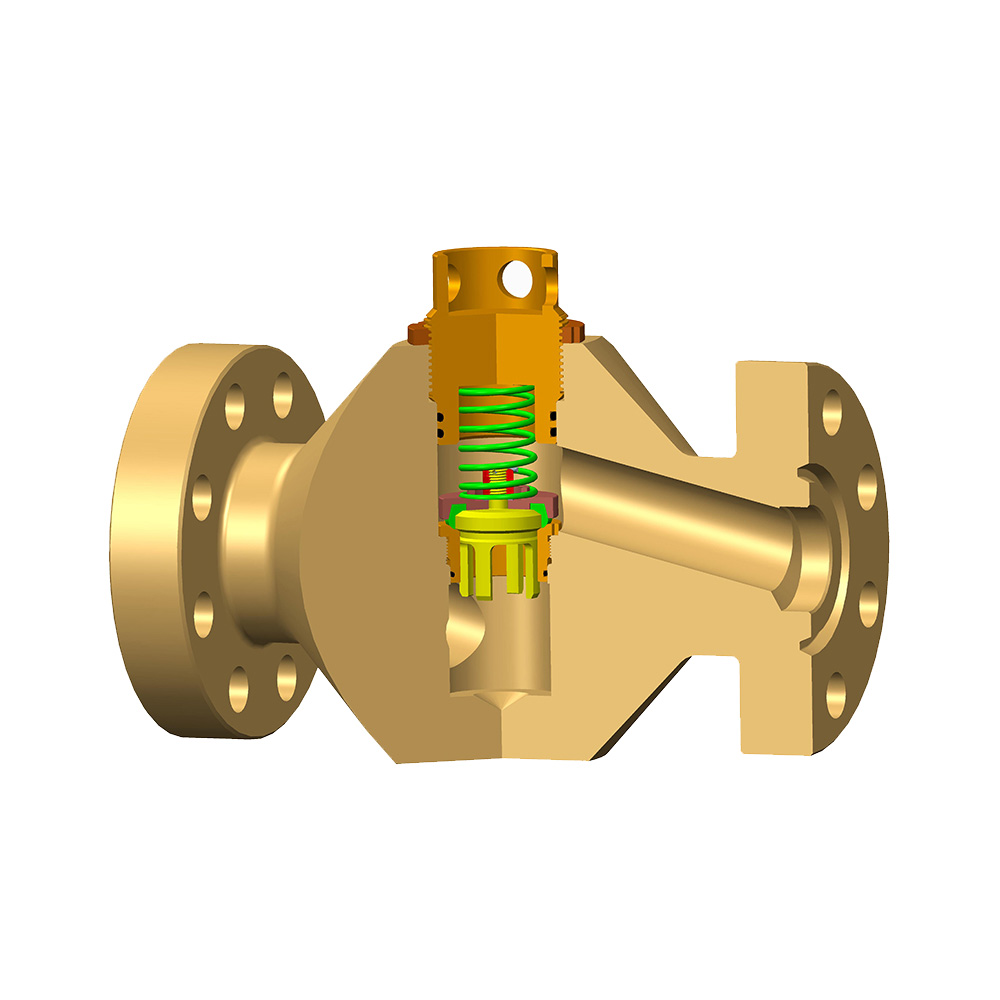
Expanding gate valves are designed to provide a tight seal under high-pressure conditions, which makes them an essential component in oil wellhead equipment. The valve's unique design ensures that it can handle fluctuating pressures while maintaining a reliable seal to prevent leaks. These valves are commonly used in oil extraction, especially in high-pressure environments like deep-water drilling and onshore oilfields.
Key Considerations for Selecting the Right Expanding Gate Valve
1. Pressure Rating
The pressure rating of an expanding gate valve is one of the most critical factors to consider. It determines how well the valve can withstand the pressure conditions at the oil well. It is essential to select a valve with a pressure rating that matches or exceeds the anticipated operating pressure of the oil well. Failure to choose a valve with an adequate pressure rating can lead to valve failure, resulting in operational downtime and costly repairs.
2. Materials of Construction
Expanding gate valves are subjected to extreme conditions, including high pressure, temperature fluctuations, and exposure to corrosive substances. Therefore, the material used to construct the valve must be highly resistant to corrosion, wear, and thermal expansion. Common materials include:
- Stainless Steel: Known for its excellent resistance to corrosion and high strength.
- Alloy Steel: Offers better resistance to high temperatures and pressure.
- Carbon Steel: Used in situations where cost is a factor, but the pressure and temperature requirements are moderate.
3. Valve Size and Port Configuration
The size and port configuration of the valve should be aligned with the pipeline size and flow rate requirements of the operation. A valve that is too small can restrict flow, while a valve that is too large can be inefficient and costly. It is important to select a valve that can handle the required flow rates without compromising performance or safety.
4. Sealing Mechanism
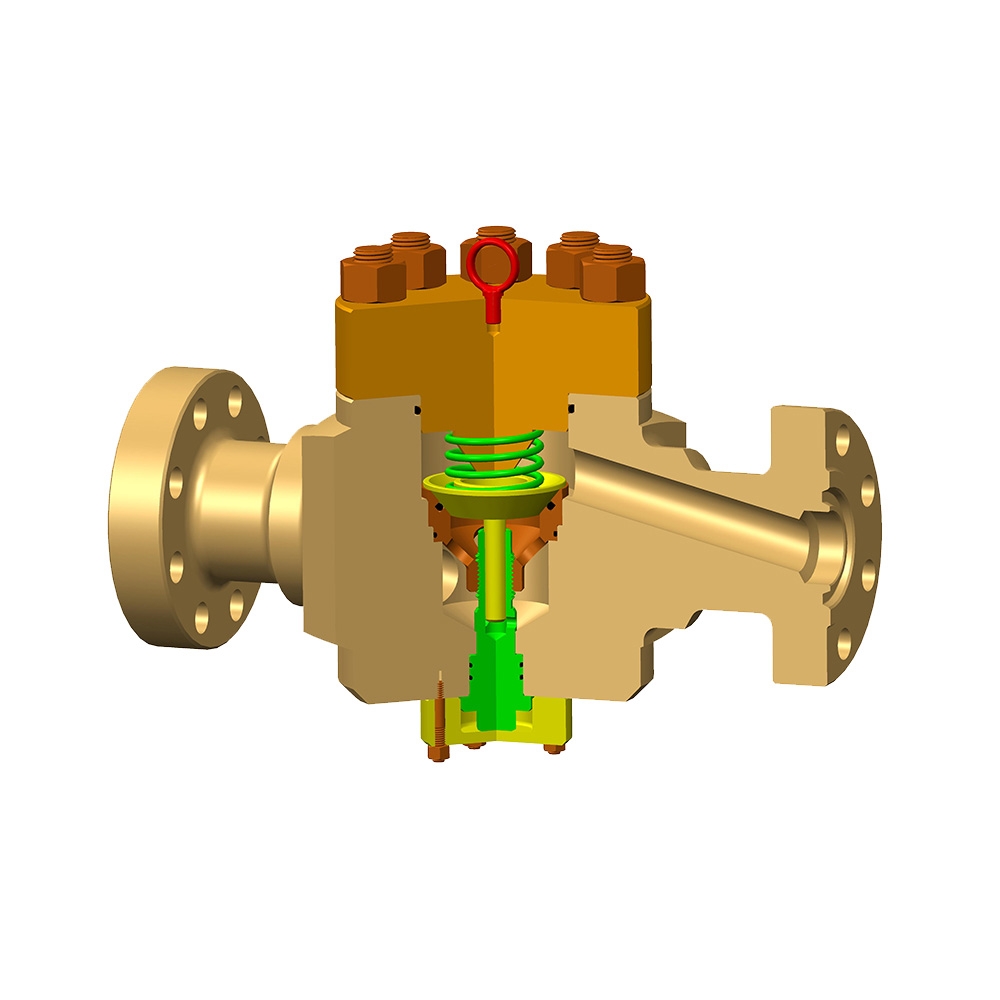
The sealing mechanism is crucial in high-pressure oil well operations. Expanding gate valves feature a unique sealing design that ensures the valve expands to fit the seat and create a tight seal under pressure. This design prevents leakage and ensures that the valve functions effectively even under high-pressure conditions.
5. Temperature and Environmental Factors
Oil wells often operate under extreme temperatures, both high and low. Selecting an expanding gate valve with an appropriate temperature range is crucial to ensure its functionality over time. Additionally, factors such as exposure to chemicals, gases, or abrasive substances must be considered when choosing materials and designs that can withstand such conditions.
Comparison of Expanding Gate Valve Models
| Model | Pressure Rating | Material | Size Range | Temperature Range |
|---|---|---|---|---|
| Model A | 5000 PSI | Stainless Steel | 2" - 6" | -50°F to 350°F |
| Model B | 10000 PSI | Alloy Steel | 4" - 10" | -60°F to 400°F |
| Model C | 15000 PSI | Carbon Steel | 6" - 12" | -70°F to 450°F |
Advantages of Expanding Gate Valves in High-Pressure Applications
- Leak Prevention: The expanding design ensures a tight seal under high-pressure conditions, preventing leaks.
- Durability: Expanding gate valves are built to withstand extreme pressure and temperature fluctuations, ensuring long-term reliability.
- Efficiency: These valves improve the efficiency of oil well operations by allowing for precise flow control.
- Safety: By providing a secure seal, expanding gate valves help to minimize the risk of accidents due to pressure leaks.
Frequently Asked Questions (FAQ)
1. What is the main benefit of an expanding gate valve?
The primary benefit of an expanding gate valve is its ability to maintain a tight seal under high-pressure conditions, which is crucial in oil well operations. The valve's expanding mechanism ensures that the gate fully seats against the valve body, preventing any fluid leakage.
2. Can expanding gate valves be used in offshore oil wells?
Yes, expanding gate valves are commonly used in offshore oil wells due to their robust design and ability to withstand the harsh environmental conditions found in these operations, including saltwater exposure and extreme pressure.
3. How do I know which valve material to choose for my operation?
The choice of material depends on several factors, including the expected pressure, temperature, and exposure to corrosive substances. Stainless steel is often the best choice for general-purpose applications, while alloy steel is preferred for high-temperature and high-pressure environments.
4. What is the typical lifespan of an expanding gate valve?
The lifespan of an expanding gate valve depends on the operating conditions and maintenance. Under optimal conditions with regular maintenance, these valves can last for many years, sometimes even decades. However, extreme operating conditions may reduce their lifespan.
Conclusion
Choosing the right expanding gate valve for high-pressure oil well operations is essential to ensure safe and efficient operation. By considering factors such as pressure rating, material selection, sealing mechanism, and environmental conditions, operators can select a valve that meets their specific needs. Regular maintenance and periodic checks can also help extend the valve’s lifespan and maintain optimal performance throughout the operation.