English
 русский
Reliable oil production depends on precise equipment that can operate efficiently under high pressure, extreme temperatures, and challenging well conditions. Among critical components, Expanding Gate Valves play a pivotal role in maintaining consistent production while preventing downtime and costly failures.
Content
- Understanding Expanding Gate Valves
- How Expanding Gate Valves Improve Oil Production Reliability
- Comparison with Conventional Gate Valves
- Applications of Expanding Gate Valves
- Advantages of Using Expanding Gate Valves
- Maintenance and Best Practices
- Frequently Asked Questions (FAQ)
- Q1: What differentiates an expanding gate valve from a conventional gate valve?
- Q2: Can expanding gate valves handle corrosive fluids?
- Q3: How do expanding gate valves contribute to reducing downtime?
- Q4: Are expanding gate valves suitable for subsea applications?
- Q5: How often should these valves be inspected?
- Conclusion
Understanding Expanding Gate Valves
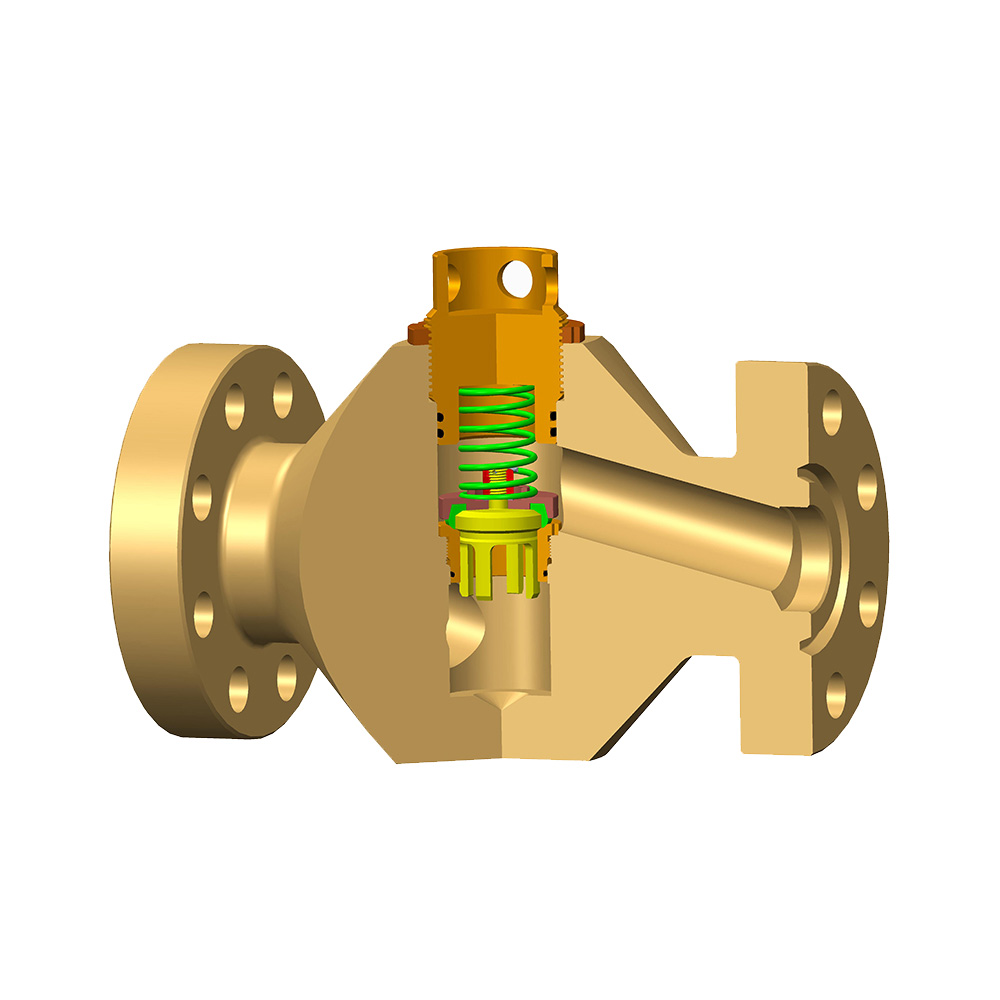
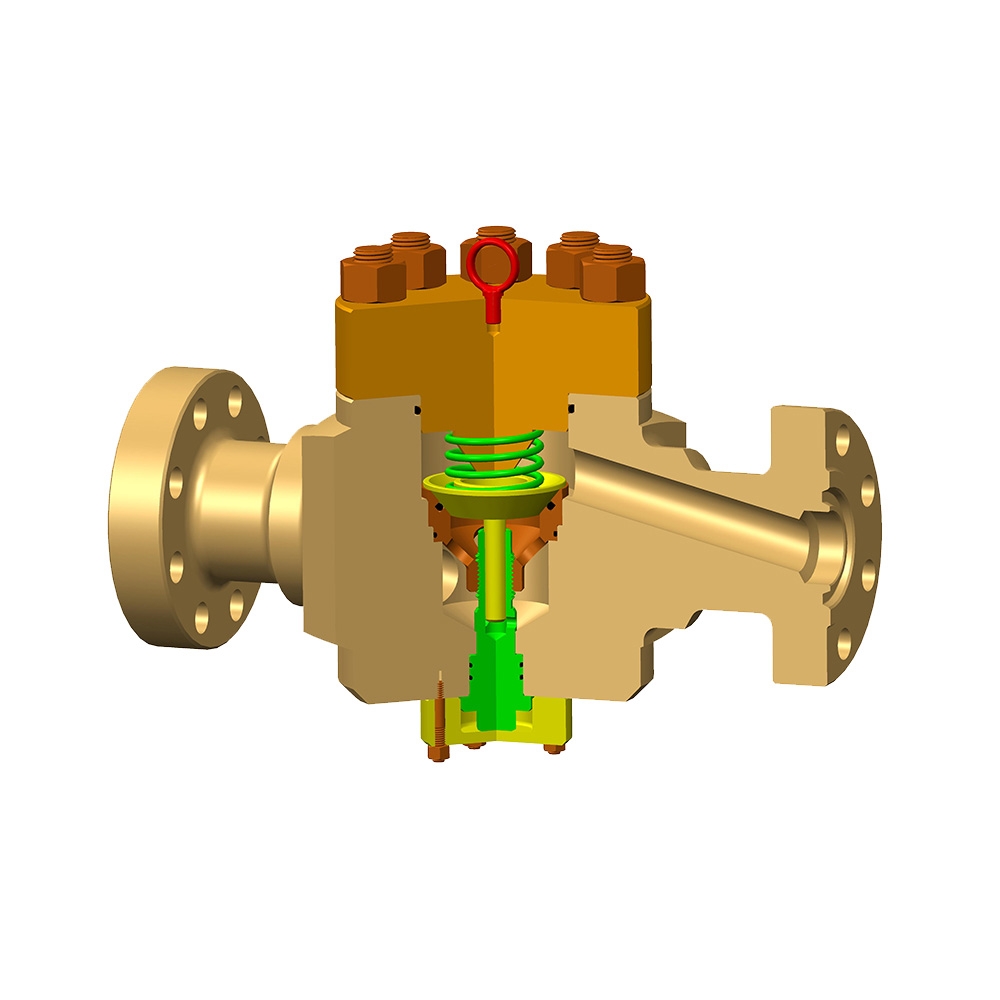
Expanding Gate Valves are specialized valves designed for oil and gas wells. Unlike traditional gate valves, they have an adjustable gate mechanism that expands to create a tighter seal against the valve body. This design ensures minimal leakage and allows for more efficient flow control in demanding production environments.
Key Features
- Enhanced sealing: The expanding gate adapts to irregularities in the valve seat to prevent leakage.
- High-pressure tolerance: Designed to operate under high-pressure conditions without compromising reliability.
- Corrosion resistance: Typically made from high-strength alloys suitable for harsh oilfield conditions.
- Durable operation: Reduced wear and longer service life compared to conventional gate valves.
How Expanding Gate Valves Improve Oil Production Reliability
Reliable oil production is often challenged by issues like valve leakage, pressure fluctuations, and operational downtime. Expanding Gate Valves address these problems by providing:
1. Leak Prevention
The expanding gate mechanism allows the valve to create a tighter seal compared to traditional gate valves. This reduces the risk of fluid leakage, which is critical in high-pressure oil wells. Minimizing leaks ensures steady production and reduces environmental hazards.
2. Enhanced Flow Control
By adjusting the gate expansion, operators can fine-tune fluid flow to match production requirements. This precision prevents overpressure and maintains consistent output, improving overall well efficiency.
3. Operational Reliability
High-strength materials and the unique expanding mechanism make these valves resistant to wear and erosion. They maintain performance even in abrasive or corrosive oilfield fluids, reducing the likelihood of unexpected shutdowns.
4. Maintenance Efficiency
The design simplifies maintenance because the valve can be serviced without complete disassembly. This reduces downtime and keeps production consistent, which is vital for offshore and remote operations.
Comparison with Conventional Gate Valves
| Feature | Conventional Gate Valve | Expanding Gate Valve |
|---|---|---|
| Sealing | Standard seal, prone to minor leakage | Adaptive seal, virtually leak-proof |
| Pressure Handling | Limited to moderate pressures | High-pressure tolerant, stable performance |
| Flow Control | Less precise | Fine-tunable flow, efficient output |
| Maintenance | Requires disassembly | Simplified servicing, reduced downtime |
| Durability | Moderate lifespan | Long-lasting under extreme conditions |
Applications of Expanding Gate Valves
- Oil and gas production wells: High-pressure sealing in subsea and onshore wells.
- Enhanced oil recovery (EOR) operations: Precise control for injection and extraction processes.
- Pipeline shut-off systems: Preventing leaks during maintenance or emergencies.
- Refinery and processing plants: Managing flow of crude oil and intermediate fluids efficiently.
Advantages of Using Expanding Gate Valves
- Reduced operational risk: Minimizes potential leakages and unplanned downtime.
- Improved production efficiency: Optimized flow reduces pressure drops and enhances output.
- Lower maintenance costs: Longer valve lifespan and simplified servicing.
- Versatility: Suitable for high-pressure, high-temperature, and corrosive environments.
Maintenance and Best Practices
Proper maintenance ensures Expanding Gate Valves continue to provide reliable performance:
- Regular inspection for wear and corrosion.
- Lubrication of the gate mechanism according to manufacturer guidelines.
- Monitoring valve performance under operating pressure to detect early signs of leakage.
- Timely replacement of seals and packing to maintain optimal sealing.
Frequently Asked Questions (FAQ)
Q1: What differentiates an expanding gate valve from a conventional gate valve?
The expanding gate valve features a gate that adjusts to the seat, creating a tighter seal. Conventional gate valves rely on fixed gates, which can lead to minor leakage under high-pressure conditions.
Q2: Can expanding gate valves handle corrosive fluids?
Yes. They are typically made from high-strength alloys and coatings that resist corrosion from crude oil, sour gas, and other aggressive fluids.
Q3: How do expanding gate valves contribute to reducing downtime?
Their durable design and simplified maintenance reduce the need for frequent replacements or extensive servicing, keeping wells operational longer.
Q4: Are expanding gate valves suitable for subsea applications?
Absolutely. Their high-pressure tolerance, sealing efficiency, and corrosion resistance make them ideal for offshore and subsea wells.
Q5: How often should these valves be inspected?
Inspection intervals depend on the operating environment, but a general guideline is every 6–12 months, with more frequent checks for extreme conditions.
Conclusion
Integrating Expanding Gate Valves into oil production systems significantly enhances reliability, reduces operational risks, and improves efficiency. Their advanced sealing capabilities, high-pressure tolerance, and long-lasting durability make them an essential component in modern oilfield operations.