English
 русский

Gross working pressure (GWP) is the maximum pressure a valve is presented as being able to contain in normal service, usually at a stated temperature. It is a procurement and datasheet shorthand, not a formal API or ASME rating definition. For oil and gas valves, GWP becomes meaningful only when it is tied to a recognized basis such as ASME B16.34 pressure-temperature ratings, API 6A rated working pressure (RWP), or a project-specific maximum allowable working pressure (MAWP).
A datasheet that says “GWP: 10,000 psi” for a manifold valve in 350°F service illustrates the problem. The figure does not state whether 10,000 psi applies at 100°F or 350°F, whether it is a body rating or a shutoff limit, or whether it is a test pressure. Those details change the purchase decision.
Content
Gross Working Pressure Meaning in Oil and Gas Valves
In oil and gas purchasing, GWP usually means the nominal pressure-containing capability of the valve before service-specific deductions. “Gross” is intended to separate it from a net or derated value, but usage is not consistent among suppliers, projects, and regions. Some catalogs use it as a synonym for working pressure; others mean the valve body only; some use it for the complete valve, actuator, and seals.
A practical definition for review is: GWP is the pressure at which the valve is said to contain fluid in normal service, subject to the temperature, material, and test basis stated by the manufacturer. If no basis is stated, the figure is not a rating; it is a claim.
- Temperature basis: Is the figure valid at 100°F, 250°F, or the actual operating temperature?
- Pressure boundary: Does it cover the body, the seat, the end connections, or the actuator shutoff differential?
- Standard: Is it an ASME class, an API 6A RWP, an API 6D rating, or a supplier-specific number?
- Test basis: Is the quoted figure a service rating or a hydrostatic test pressure?
GWP vs CWP, MAWP and Rated Working Pressure
GWP is the loosest of the common pressure terms; CWP, MAWP, and RWP each answer a narrower engineering question.
| Term | Practical meaning | Where it belongs | What to verify |
|---|---|---|---|
| Gross working pressure (GWP) | Nominal pressure containment claimed for normal service, often before service-specific deductions | Quotations, datasheets, early screening | Temperature basis and whether it covers body, seat, or shutoff |
| Cold working pressure (CWP) | Maximum non-shock pressure at the cold reference band, commonly -20°F to 100°F depending on the standard | Catalog rating for general valves | Product standard, material group, and actual service temperature |
| Maximum allowable working pressure (MAWP) | Maximum allowable pressure at the most severe coincident pressure and temperature condition | Process and pressure equipment design | Design temperature and corrosion allowance |
| Rated working pressure (RWP) | API 6A pressure rating for wellhead and related equipment under the standard’s conditions | Wellheads, trees, frac and manifold equipment | Temperature class, PSL, PR performance, and material class |
| Hydrostatic test pressure | Factory proof pressure, often around 1.5 times the cold rating but set by the applicable standard | Inspection and test plans | Test standard, hold time, and acceptance criteria |
If a supplier uses GWP and RWP interchangeably, ask for the API 6A temperature class, PSL, PR performance requirement, and material class. For a process valve, ask for the ASME class and the allowable pressure at the design temperature.
Why One Gross Pressure Number Is Not Enough
A GWP figure becomes unreliable when temperature, test conditions, differential pressure, or material limits differ from the basis behind it.
Temperature changes the allowable pressure
Metal strength falls as temperature rises, so a valve may carry a lower allowable pressure at 350°F than at 100°F. ASME B16.34 uses pressure-temperature tables; API 6A equipment uses temperature classes and material requirements. A GWP quoted without a temperature is incomplete for hot production, thermal service, or steam.
Test pressure is not an operating limit
Hydrostatic shell tests commonly run at about 1.5 times the cold rating, although the exact value comes from the applicable standard. A test pressure proves containment and workmanship for a short period; it is not a license to operate at that pressure.
Shutoff differential sizes the actuator and seat
A valve that contains 10,000 psi may have a much lower allowable shutoff differential. Actuator sizing, seat design, and cycling life depend on the differential across the closed valve, not only on line pressure. Ask for the maximum shutoff differential at the stated temperature.
Material and service conditions sit outside the number
Sour service, abrasive mud, proppant erosion, and thermal cycling impose demands that a GWP figure does not describe. For sour service, confirm compliance with NACE MR0175/ISO 15156; for abrasive service, review trim, seals, and repairability.
Where GWP Appears in Valve Selection
GWP is most useful during early screening; final selection should follow the equipment standard and the actual service envelope.
Wellheads and trees
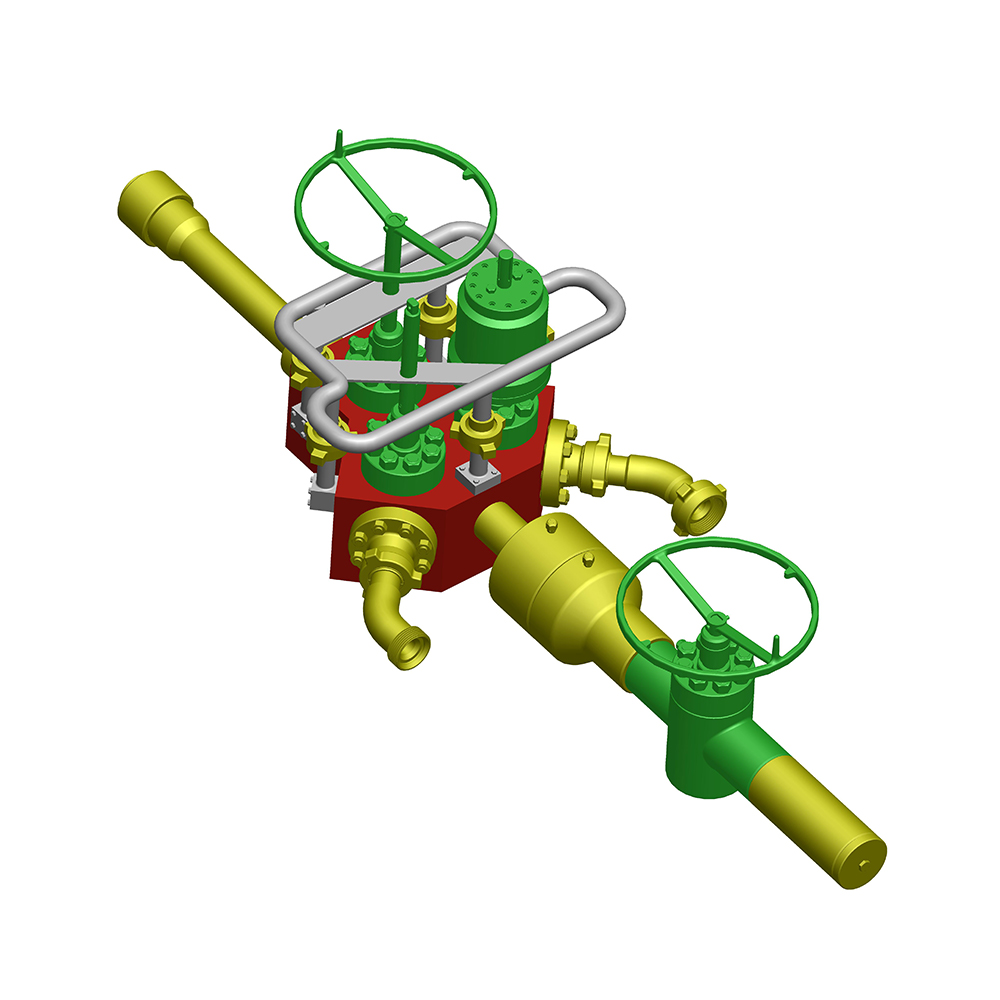
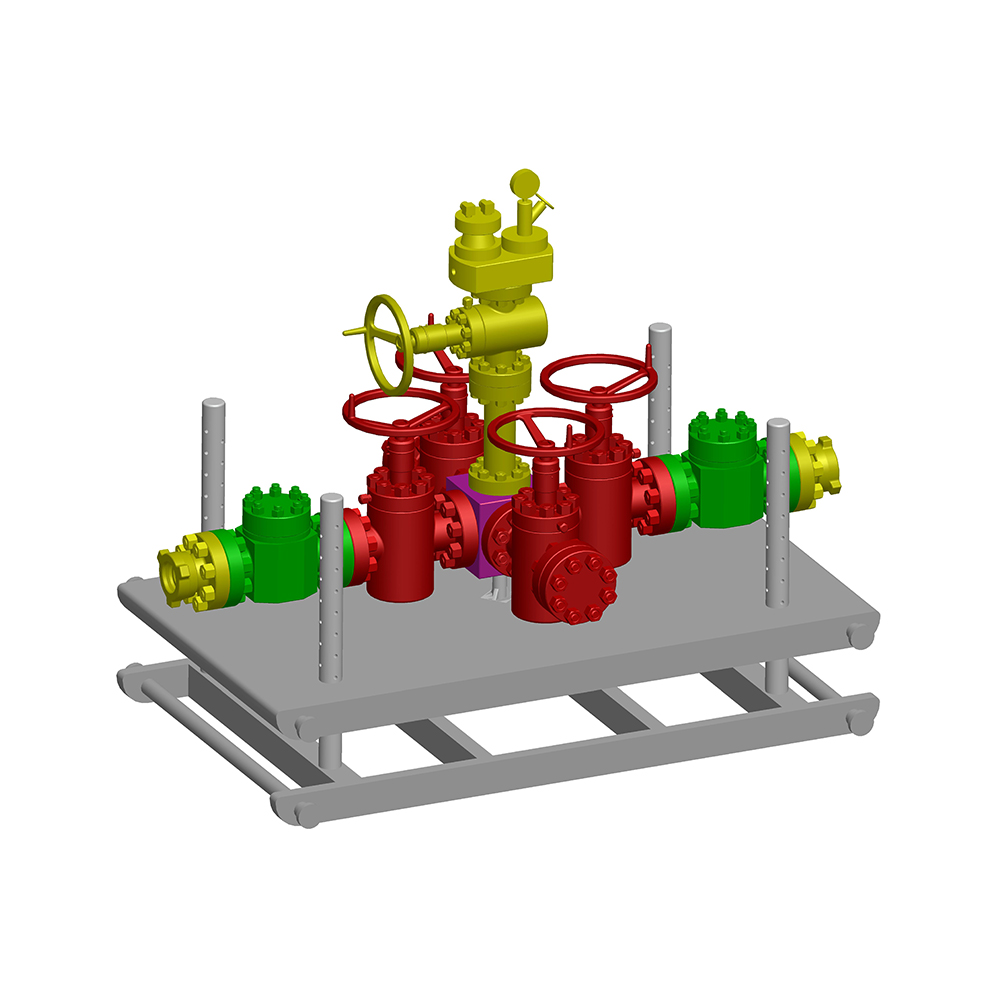
API 6A RWP, not a generic GWP label, should set the pressure boundary for wellhead and tree equipment. Temperature class, PSL, PR performance, and material class matter as much as the headline pressure. The wellhead equipment range separates casing heads, tubing heads, trees, and frac wellheads because each has its own pressure boundary and test requirements.
For isolation gate valves on wellheads and manifolds, confirm whether the quoted pressure is a body rating, a seat rating, or a maximum differential for the actuator.
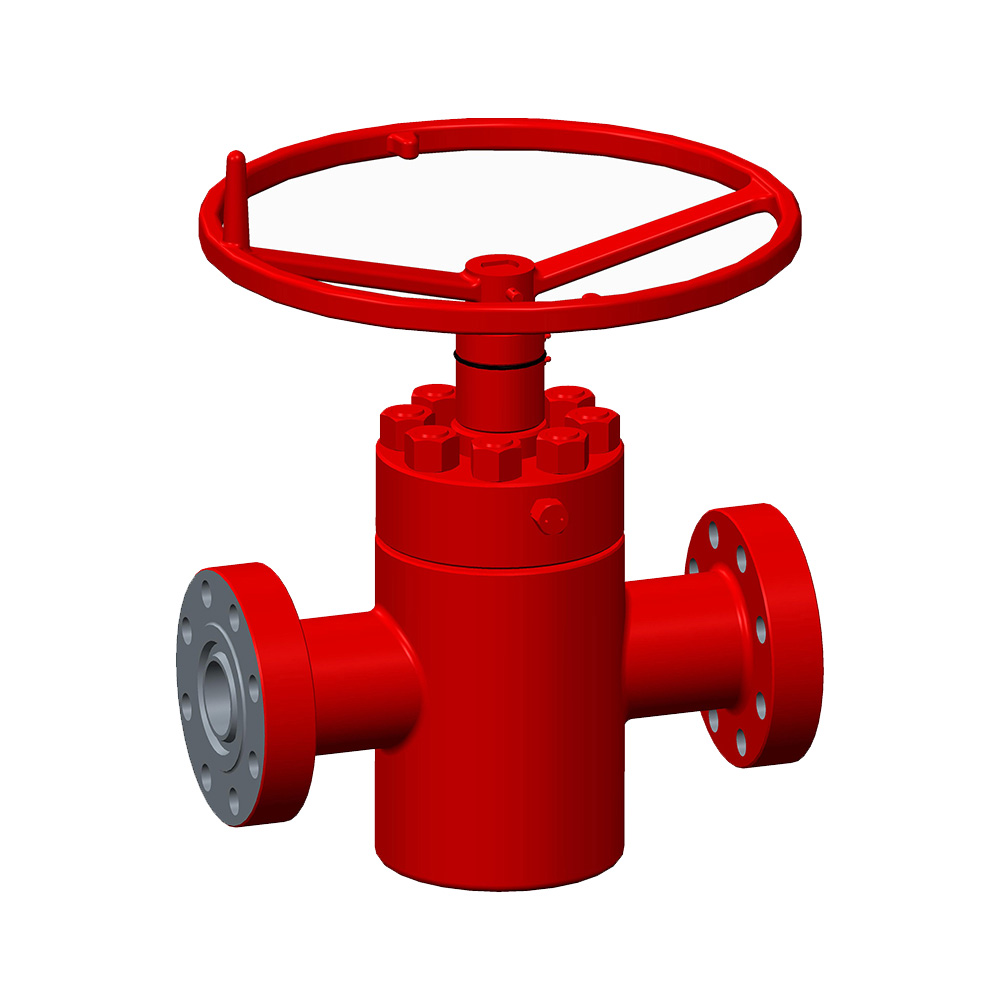 Gate Valve FC for Wellhead and Manifold IsolationReview this API Spec 6A gate valve for wellhead and manifold isolation, offered across 2-1/16–9 in sizes and 2000–10000 PSI ratings.View Product →
Choke and kill manifolds
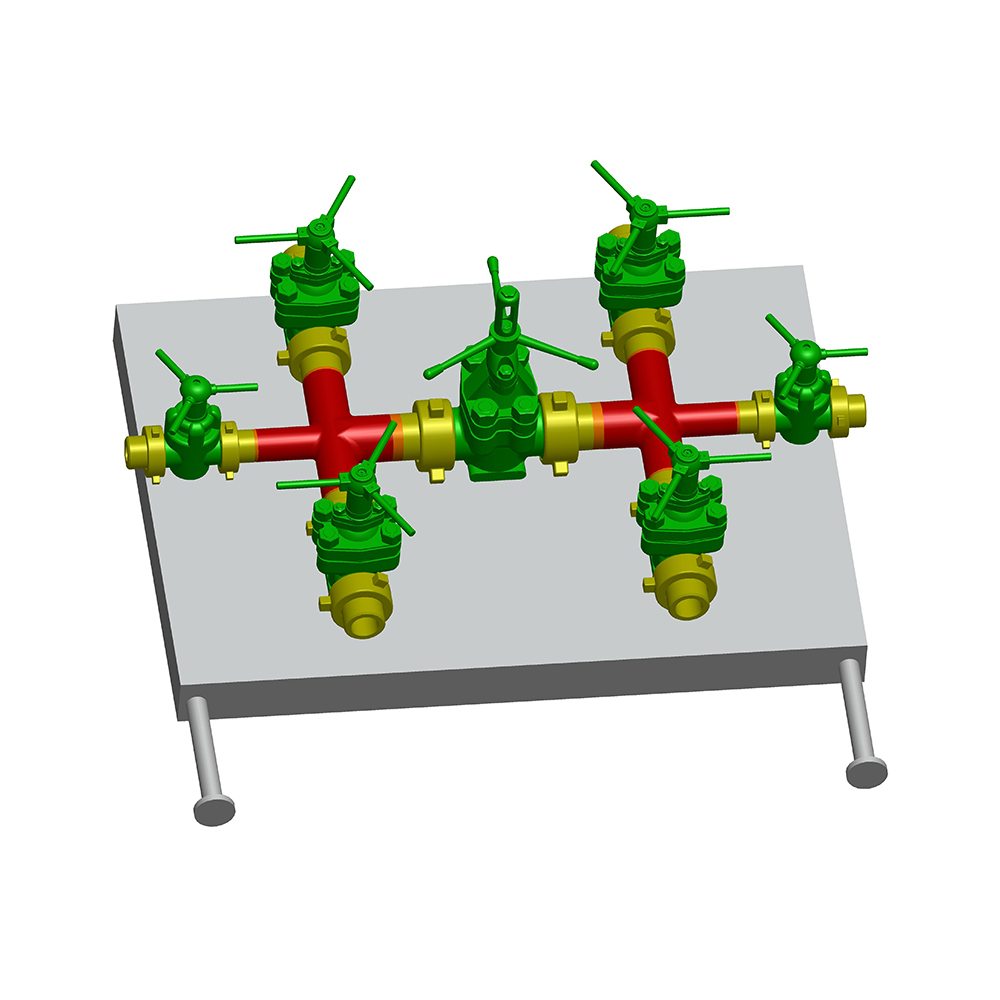
Choke and kill manifolds need a pressure rating plus erosion and differential limits. The manifold class matters, but so do choke trim, downstream piping, and the maximum pressure drop across the choke. A 10,000 psi GWP label says little about those details.
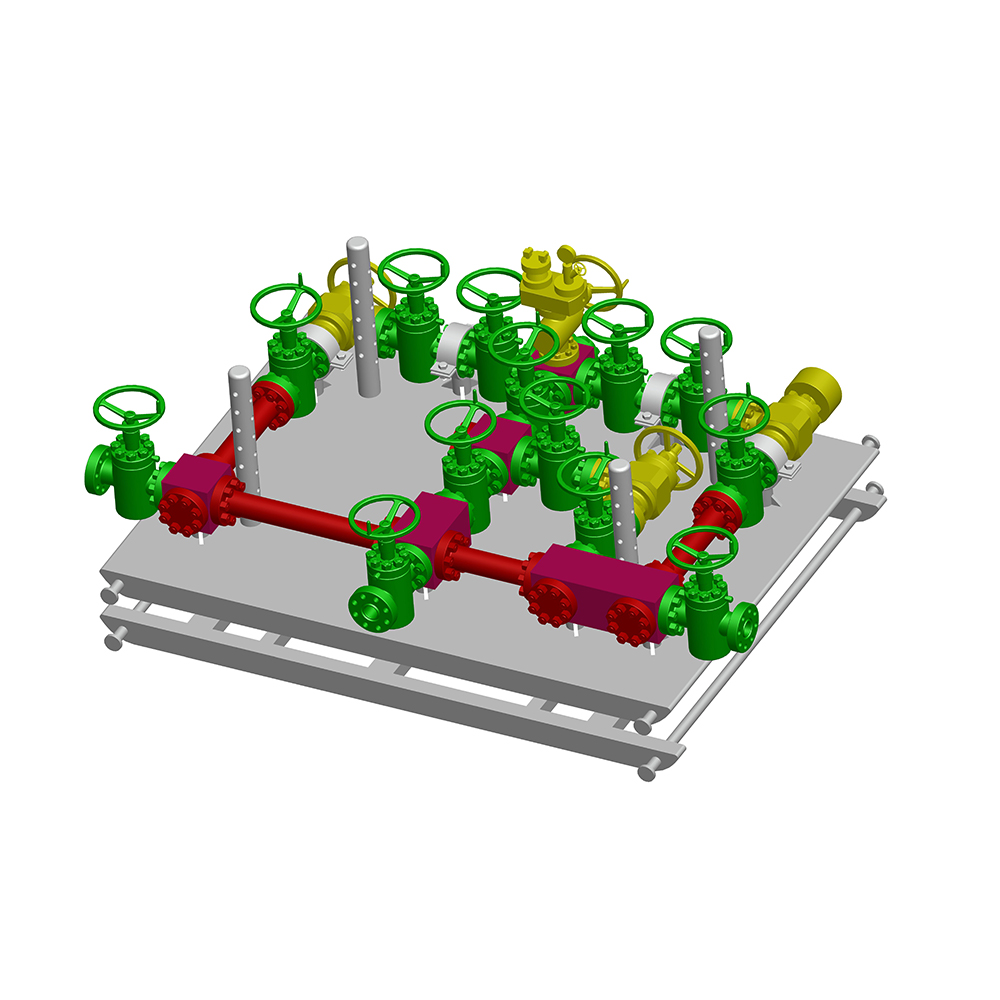 Choke Manifold for Drilling Wellhead Pressure ControlInspect this API Spec 16C choke manifold for drilling pressure and flow control, with sizes from 1-13/16 to 4-1/16 in and ratings to 15000 PSI.View Product →
Mud gate valves and drilling packages
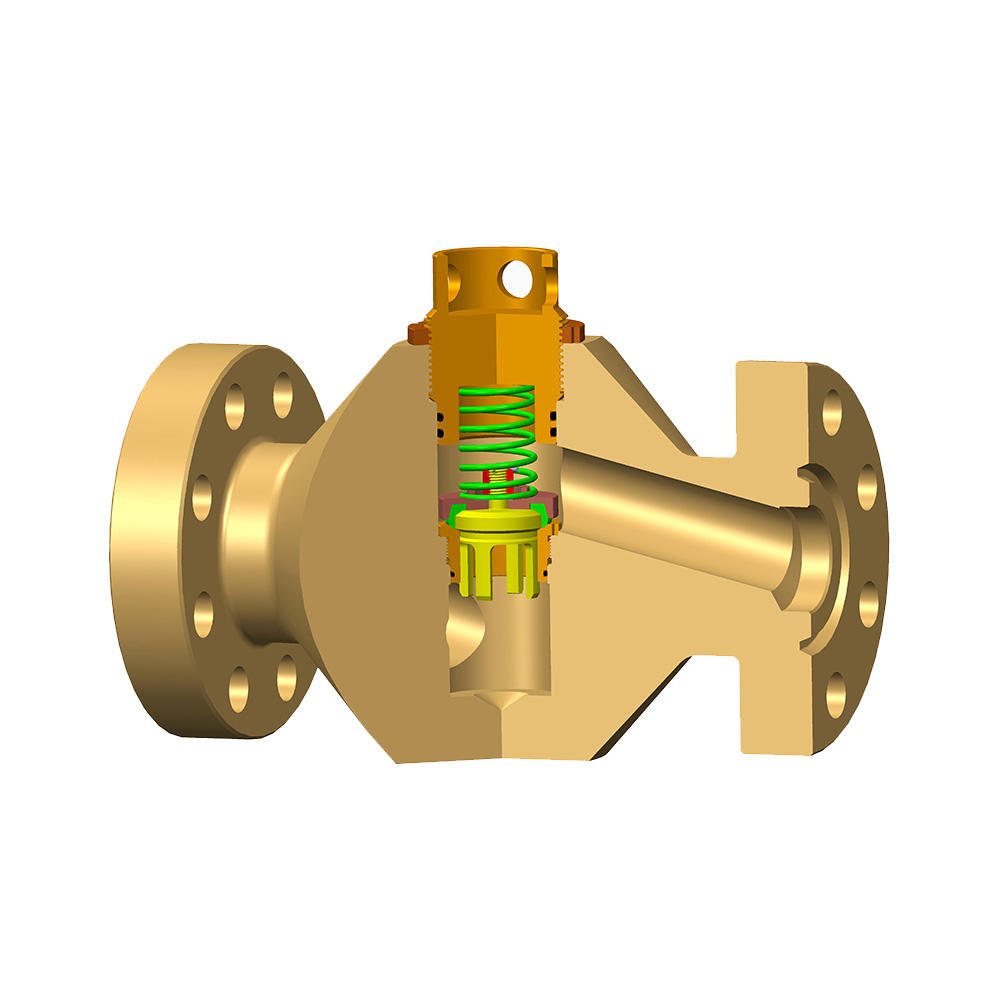
Mud gate valves must be judged on abrasive-service life as well as pressure containment. Seat design, repair kits, and the ability to close under flow can matter more than a broad GWP claim. The valve range includes gate, choke, check, plug, and safety valves for these different duties.
 2IN DM FLANAGE MUD GATE VALVEThe Mud Gate Valve, with design, features precision workmanship and a proven principle is engineered to meet the harsh dialing requirements in today's oilfield. The Va...View Product →
How to Specify Pressure Without Ambiguity
The reliable way to remove GWP ambiguity is to write separate design, operating, differential, and test pressures into the RFQ.
| Requirement | Example entry | Why it matters |
|---|---|---|
| Design pressure at maximum temperature | 5,000 psi at 250°F | Fixes the MAWP or RWP basis |
| Operating and shut-in pressure | 3,200 psi normal; 4,500 psi shut-in | Supports sizing and cycling review |
| Maximum shutoff differential | 3,000 psi | Sets actuator and seat requirements |
| Hydrostatic test | 7,500 psi shell, per applicable standard | Separates proof pressure from service pressure |
For API 6A equipment, add temperature class, PSL, PR performance requirement, material class, and sour-service compliance where applicable. For pipeline or process valves, add ASME class, body material, trim, gasket, and end-connection details.
Frequently Asked Questions
Is gross working pressure the same as MAWP?
No. MAWP is the maximum allowable pressure at the most severe coincident pressure and temperature condition. GWP is a broader claim that may or may not have been calculated on that basis.
Does GWP include hydrostatic test pressure?
No. Test pressure is a manufacturing and inspection value, commonly higher than the service rating. It should be listed separately in the test plan.
Can I use a cold working pressure rating at 300°F?
No. CWP applies to a cold reference band, often -20°F to 100°F depending on the standard. Above that band, use the pressure-temperature rating or the API 6A temperature class.
Is GWP the same as API 6A rated working pressure?
Only if the supplier confirms an API 6A basis and states the temperature class, material class, PSL, and PR level. Otherwise, treat GWP as an unverified commercial shorthand.
What is the safest wording for a purchase order?
Specify the standard, pressure class or RWP, design temperature, maximum differential, test pressure, and material requirements. Avoid accepting “gross working pressure” as the only pressure statement.
Bottom Line for Buyers and Engineers
Gross working pressure is useful shorthand for a valve’s nominal pressure containment, but it is not a substitute for a rated pressure at temperature. Ask for the standard, temperature basis, differential limit, and test pressure, then write those values into the specification. That is how a single ambiguous number becomes a verifiable valve requirement.