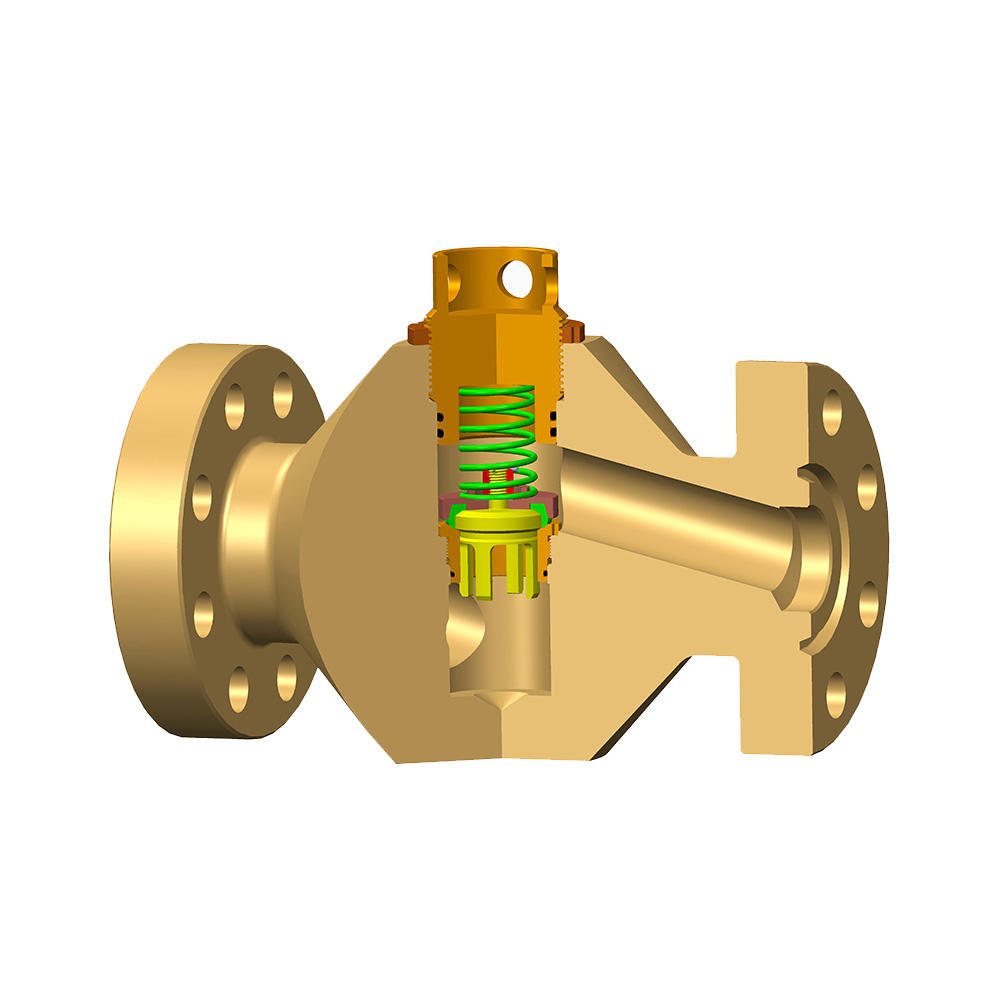
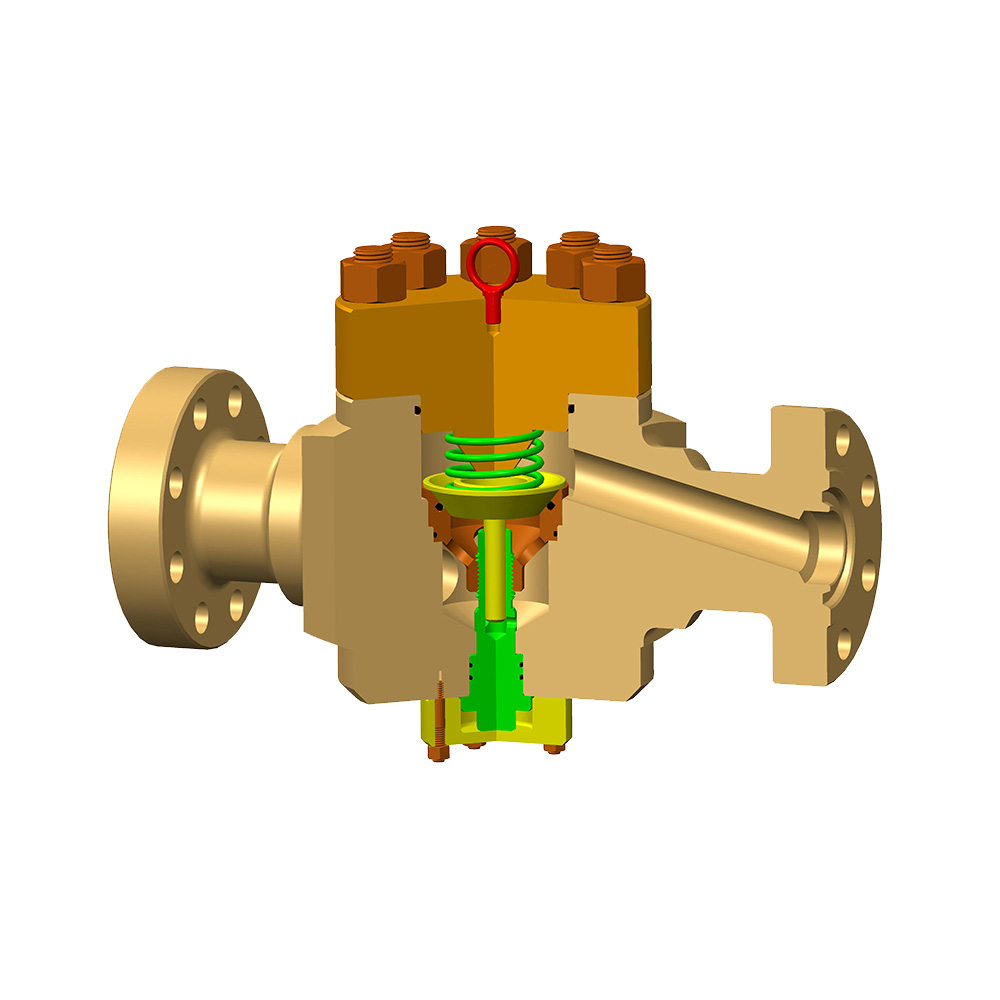
English
 русский

An ESD valve is an emergency shutdown valve that automatically isolates a hazardous process section when a trip signal is received. In oil and gas service it is the final element in a safety loop: the sensor detects an unsafe condition, the logic solver votes, and the valve moves to its fail-safe position. It is not selected for smooth flow control; it must close, or in some designs open, within a defined time and then hold a tight seal after long idle periods.
That distinction drives body design, trim, actuation, testing, and documentation. A valve that passes a hydrostatic test but cannot stroke on demand is an isolation valve with an actuator bolted on, not a complete ESD barrier.
Content
- What an ESD Valve Does That an Ordinary Isolation Valve Does Not
- How an ESD Valve Works: From Trip Signal to Seat
- Actuator Choices and Closing Time
- Selection Checklist for ESD Valves
- Integration with Wellheads, Chokes, and Manifolds
- Testing and Maintenance: Where ESD Valves Fail Quietly
- Frequently Asked Questions
What an ESD Valve Does That an Ordinary Isolation Valve Does Not
The difference is the safety function, not the shape of the body. A standard gate or ball valve isolates equipment for maintenance; an ESD valve is a safety final element that must respond to a demand and be proof-tested.
| Feature | Ordinary isolation valve | ESD valve |
|---|---|---|
| Primary role | Manual or remote isolation | Automatic safety isolation |
| Normal position | Set by procedure | Defined fail-safe position |
| Actuation | Handwheel, gear, or basic actuator | Spring-return, hydraulic, electro-hydraulic, or electric actuator with safety logic |
| Response | Not time-critical | Closing or opening time verified against the safety case |
| Testing | Maintenance isolation check | Partial stroke and full stroke proof tests |
- Fail-safe action on loss of instrument air, hydraulic pressure, or power.
- Shutoff class and fire-safe qualification agreed in the datasheet.
- Position feedback, solenoid status, and partial stroke diagnostics.
- Traceable test records, not only material certificates.
How an ESD Valve Works: From Trip Signal to Seat
A trip signal does not directly push the valve closed; it removes the energy holding the valve in its normal position, and stored energy moves the closure.
- A sensor or manual trip detects high pressure, low pressure, fire, gas, or an emergency shutdown command.
- The logic solver de-energizes the solenoid or trips the hydraulic control panel.
- Actuator pressure vents through a quick exhaust or dump valve.
- A spring, accumulator, or hydraulic pressure moves the stem to the fail-safe position.
- Limit switches confirm the position, and the control system logs the event and elapsed time.
Closing time is a safety variable, not a performance boast. Too slow, and the inventory released before isolation may exceed the tolerable event; too fast, and surge, water hammer, or mechanical impact can damage upstream equipment. Check the safety case and the valve datasheet, then prove the result by loop test.
Partial stroke testing is useful for valves that cannot be fully closed during production. It proves the stem is not seized and the solenoid and actuator respond, but it does not replace a full stroke test. The test interval and acceptable travel should be written into the maintenance plan, not left to operator judgement.
Actuator Choices and Closing Time
Actuator selection is a trade-off among fail-safe energy, closing time, and maintenance access. No single type is best; the safety case and utility availability decide.
- Spring-return pneumatic: simple fail-safe on air loss; closing time depends on spring, volume, and quick exhaust.
- Hydraulic: high thrust for large gate valves; needs an accumulator or spring for fail-safe, and clean fluid.
- Electro-hydraulic: compact and easy to interface; more components to maintain.
- Electric: precise diagnostics; fail-safe needs stored energy or a backup supply.
For wellhead and manifold safety, a hydraulic gate valve with a dedicated control panel is easier to test than a group of independent actuators. The panel should show supply pressure, valve position, and trip status, and allow partial stroke testing without defeating the safety function.
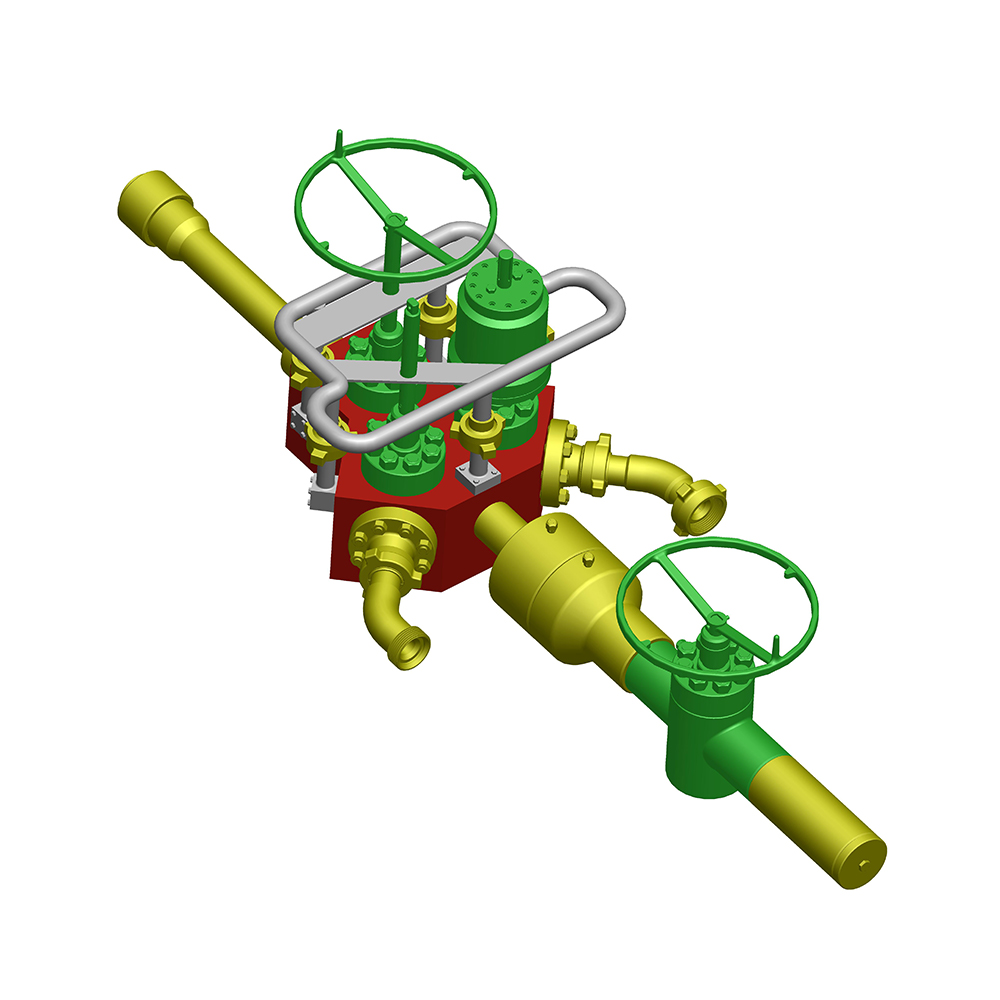
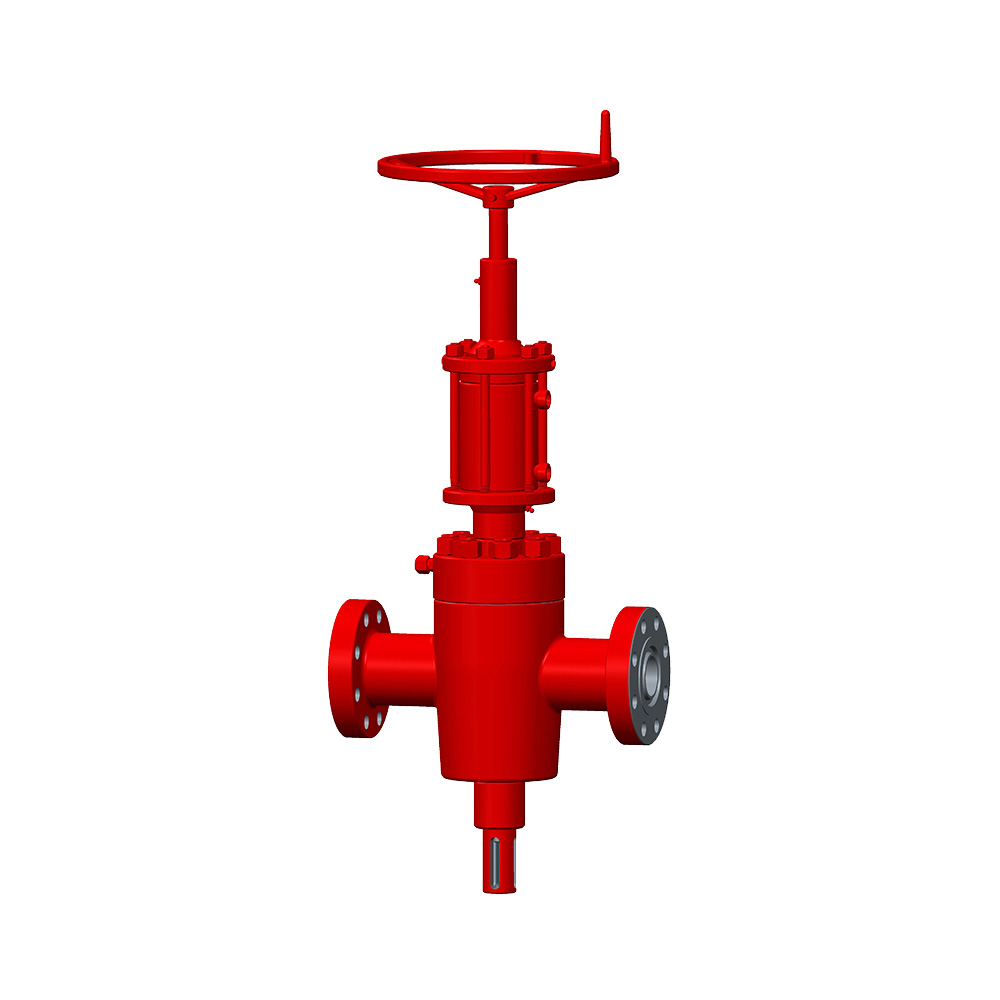 HCR Gate Valve for Hydraulic Wellhead Safety IsolationHCR gate valve detail for hydraulic-actuated wellhead safety isolation; confirm pressure class, trim, and closing time against the well control schedule.View Product →
HCR gate valve products suit wellhead safety isolation where hydraulic actuation is specified. Verify pressure class, trim, and closing time against the well control schedule, not just the catalogue.
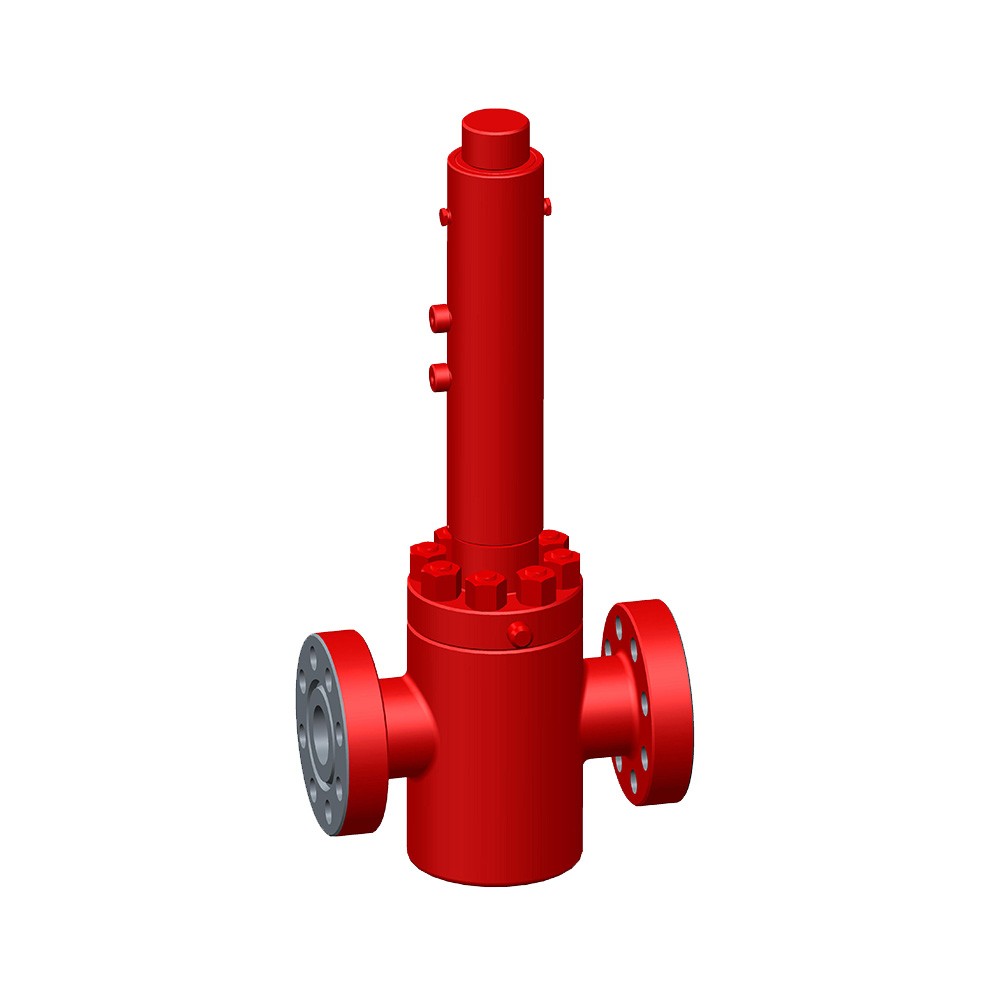 Hydraulic Safety Gate Valve for Wellhead Emergency ShutdownAPI Spec 6A hydraulic safety gate valve for remote wellhead emergency shutdown, offered in 1-13/16 to 7-1/16 in sizes and 2000–15000 PSI.View Product →
The control panel is part of the safety loop, not an accessory. Clear gauges and a manual trip make commissioning and audit easier.
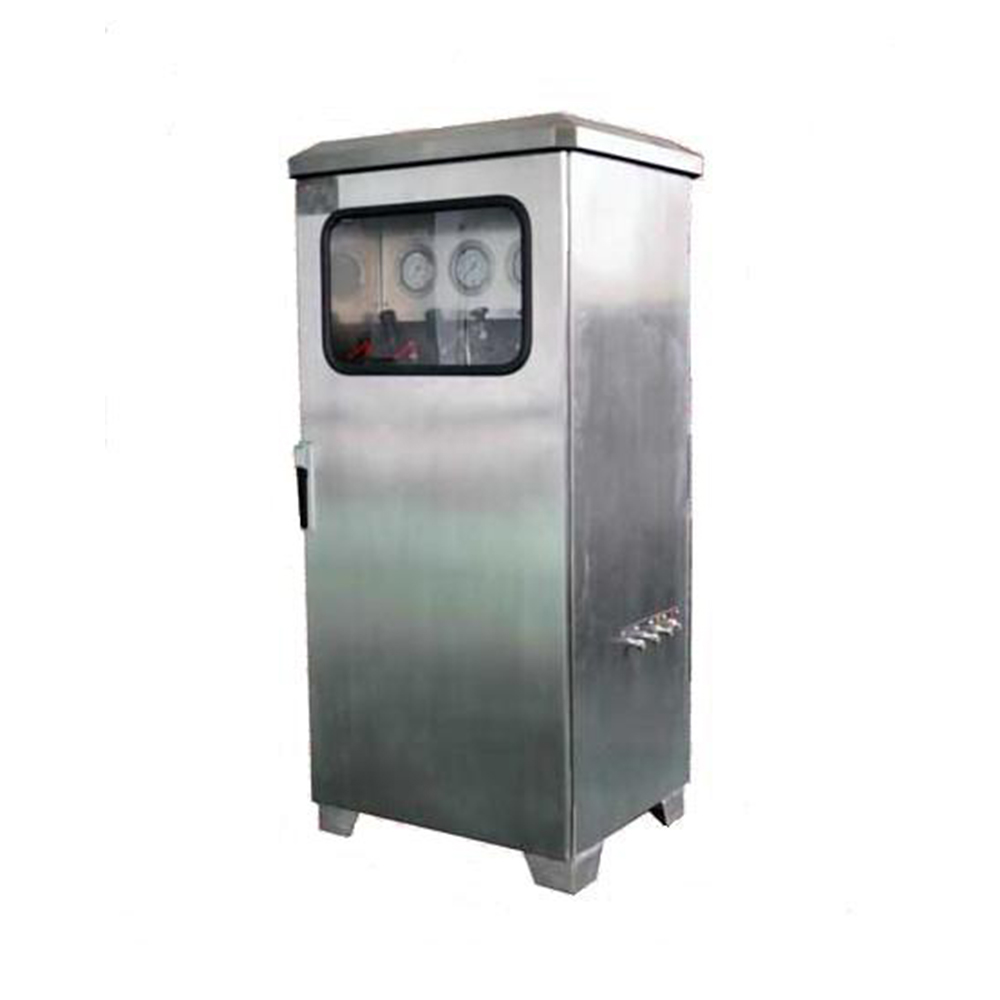 Control Panel for Hydraulic Safety Valve Emergency ShutdownControl panel for remote shutdown of emergency wellhead equipment, listed with API Spec 6A and pressure ratings from 2000 to 15000 PSI.View Product →
For panel logic, this note on remote safety valve response is a useful cross-check.
Selection Checklist for ESD Valves
Start with the safety case, then match the valve and actuator to it. Buying on pressure class alone is the most common selection error.
- Process data: media, pressure class, temperature, corrosive components, sand, and required shutoff class.
- Safety function: fail-closed or fail-open, SIL target, acceptable spurious trip rate, and response time.
- Valve and actuator: gate, ball, or plug; thrust margin; solenoid voltage; quick exhaust; accumulator; manual override.
- Qualification: API 6D or API 6A, API 14A, API 6FA or API 607, and NACE MR0175 for sour service.
- Documentation: material certificates, stroke test records, and spare parts for solenoids and seals.
Keep the ESD loop separate from basic process control. A control valve can trim pressure, but it should not serve as the safety final element unless the risk assessment and SIL verification specifically allow it.
Integration with Wellheads, Chokes, and Manifolds
ESD valves are only as reliable as the pressure path around them. A safety valve that isolates a wellhead but is fed by a blocked impulse line, a fouled choke, or a mislabeled manifold is still a failed barrier.
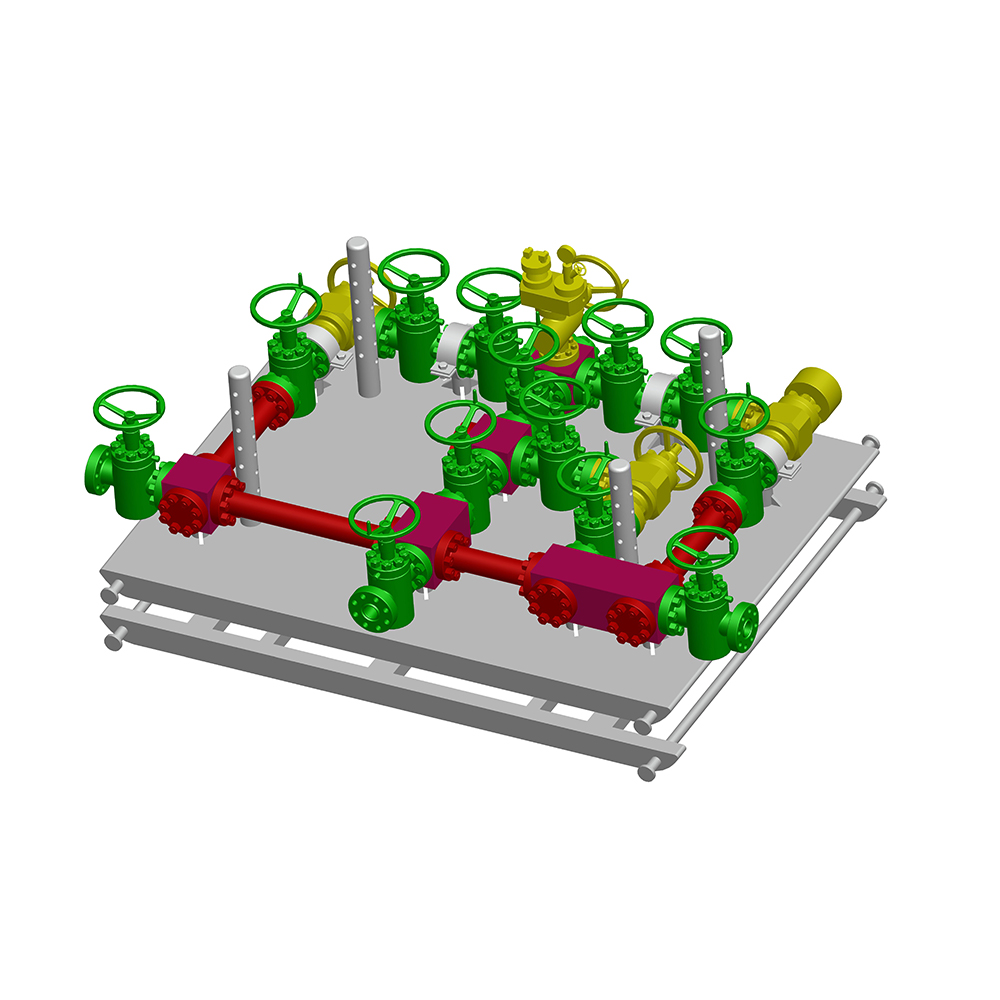
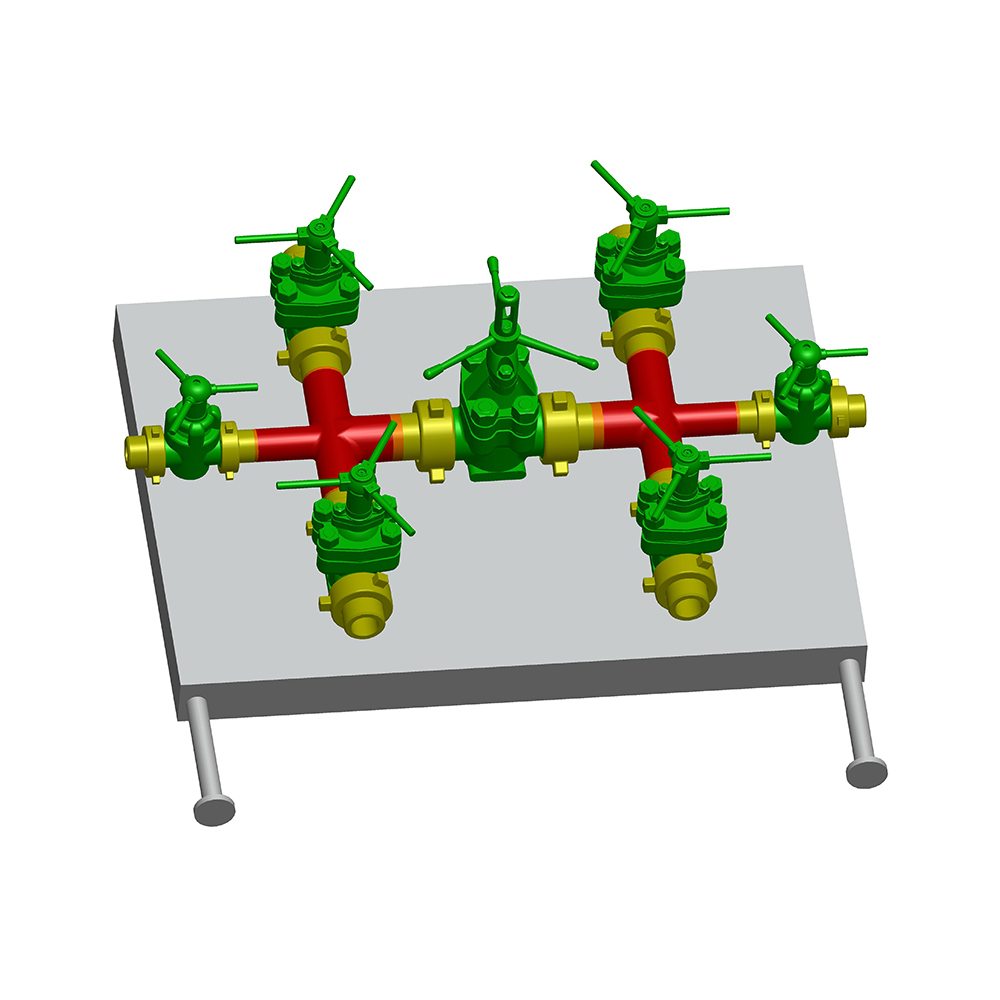
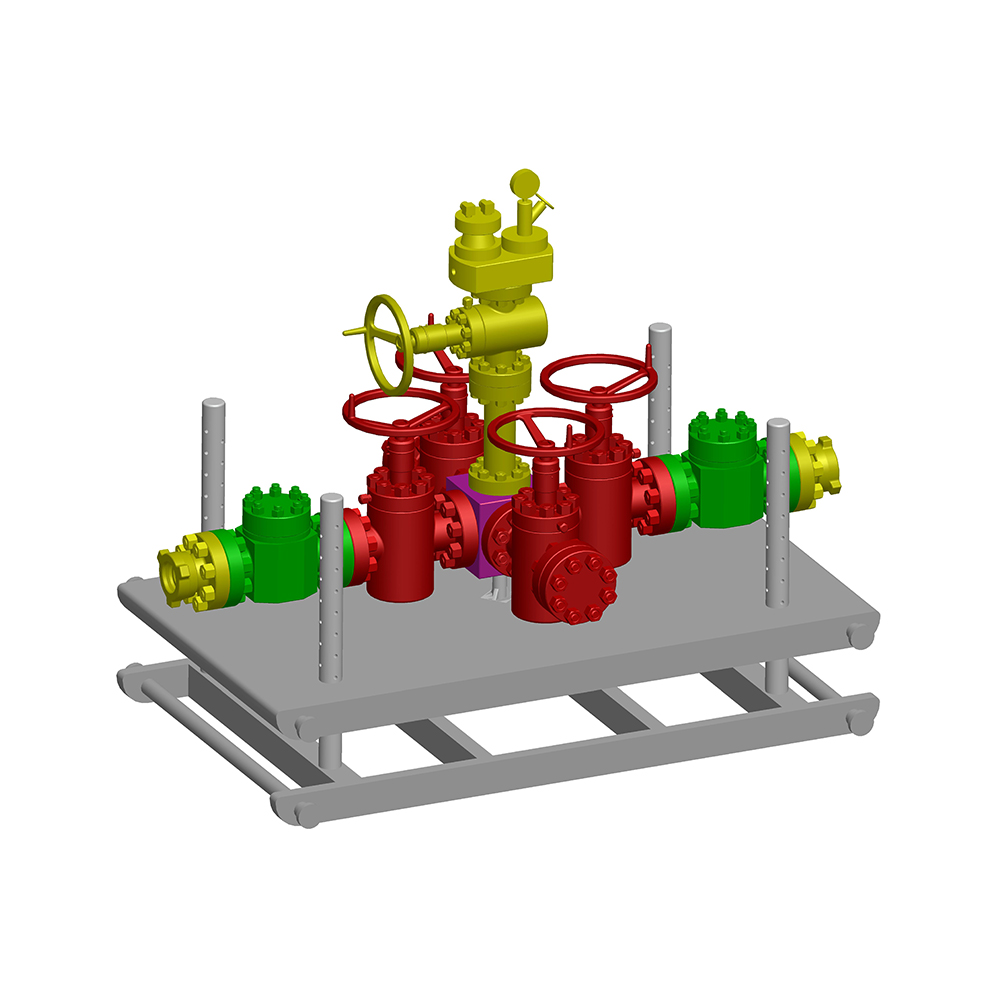
Check the wellhead outlet, casing and tubing head, choke manifold, kill manifold, flowhead, and upstream isolation together. The safe position of each valve must be consistent with the process design, and the panel must show which valve has tripped. For a broader view, review our valve and wellhead product range and match pressure class, end connection, and trim to the same datasheet.
Testing and Maintenance: Where ESD Valves Fail Quietly
Most ESD valve failures are not body failures. They are instrument air, solenoid, tubing, filter, stem packing, and partial stroke issues that stay invisible until a demand.
- Check solenoid venting and supply pressure at the actuator, not only at the panel.
- Inspect quick exhaust valves, tubing, and fittings for corrosion or ice.
- Record partial stroke travel and time; trend the results.
- Full stroke test at the interval defined by the safety case, then check seat leakage.
- Verify limit switches and remote indication agree with actual stem position.
Keep a spares list for solenoids, seals, and filters, and write the replacement procedure before the failure. A valve with a certificate but no stroke record is difficult to defend in an audit.
Frequently Asked Questions
What does ESD valve stand for?
ESD valve stands for emergency shutdown valve. It is also written as ESDV and is a safety-critical isolation valve that moves to a fail-safe position on a trip signal.
Is an ESD valve the same as a control valve?
No. A control valve regulates flow or pressure during normal operation. An ESD valve is a safety final element and should be independent of the basic process control system unless a formal risk assessment and SIL verification permit otherwise.
How fast should an ESD valve close?
The closing time is set by the safety case, the process inventory, and the surge limits. It is not a single industry number. Verify the actual time by loop test and record it against the required response time.
Can a gate valve be used as an ESD valve?
Yes, when the gate valve is properly actuated, qualified for the service, fire-safe where required, and proof-tested. Gate valves are common for isolation because they offer strong shutoff, but actuator thrust and closing time must be verified under load.
The practical test is simple: can the valve prove, on demand, that it moved to the safe position within the required time and held tight? If the answer depends on a manual valve, an unverified actuator, or a test record no one can find, the ESD function is not complete.