English
 русский
Content
- What is an expanding gate valve?
- Expanding gate vs slab gate valve
- Key design features
- Standards governing expanding gate valves
- Comparative performance: expanding gate valve versus slab gate valve
- Materials, coatings and trim for expanding gate valve longevity
- Installation and commissioning best practices
- Life cycle cost: expanding gate valve in transmission service
- Common issues and field troubleshooting
- Frequently asked questions about expanding gate valves
- Selection criteria for expanding gate valve specification
- Market trends driving expanding gate valve adoption
- Summary: why expanding gate valve technology matters for critical isolation
Expanding gate valve: tight shutoff technology for critical isolation in oil, gas and liquid pipelines
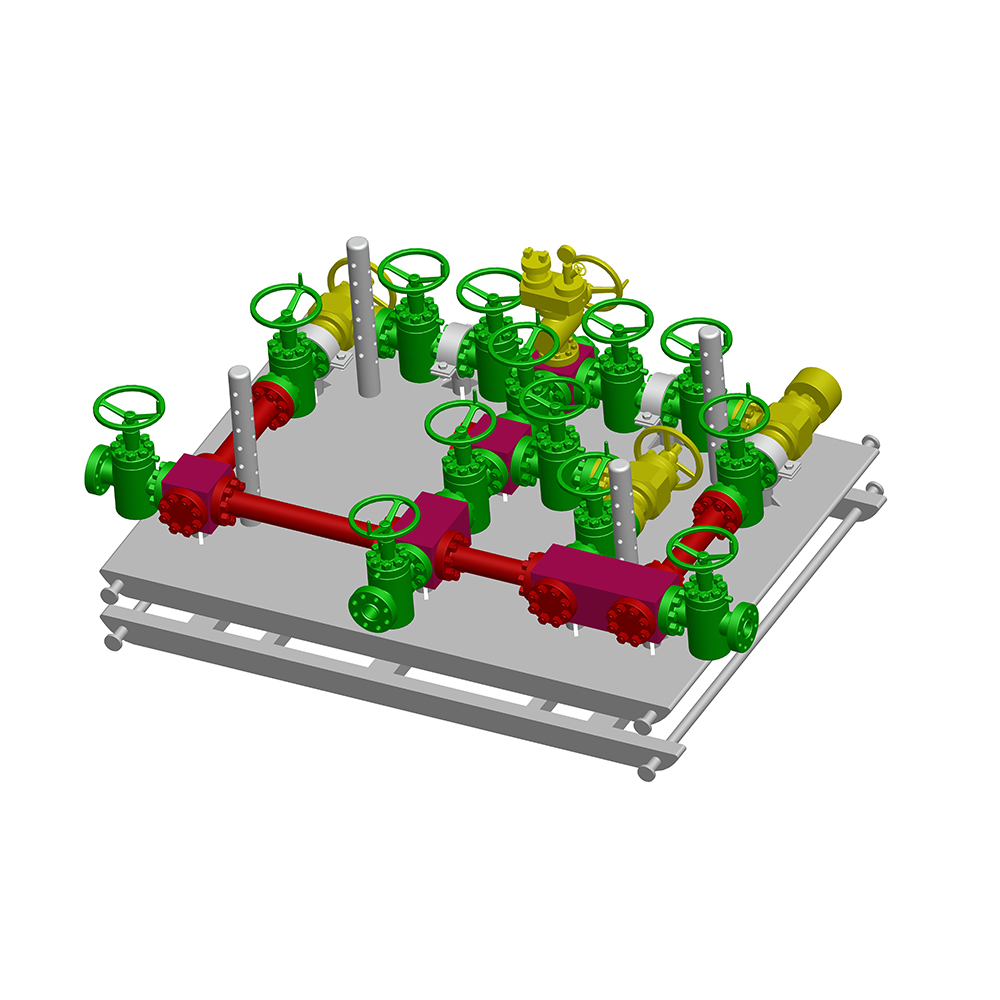
An expanding gate valve is a parallel‑seat, double‑disc gate valve engineered to achieve a positive mechanical seal in both low‑ and high‑pressure conditions. Unlike a conventional slab gate valve, the expanding gate valve uses a wedge‑shaped internal mechanism to press the gate segments against the seats after closure, delivering zero leakage without relying on line pressure. This article examines expanding gate valve design, performance data, material selection, maintenance practices and the economic drivers behind its growing adoption in transmission pipelines, storage terminals and midstream infrastructure.
What is an expanding gate valve?
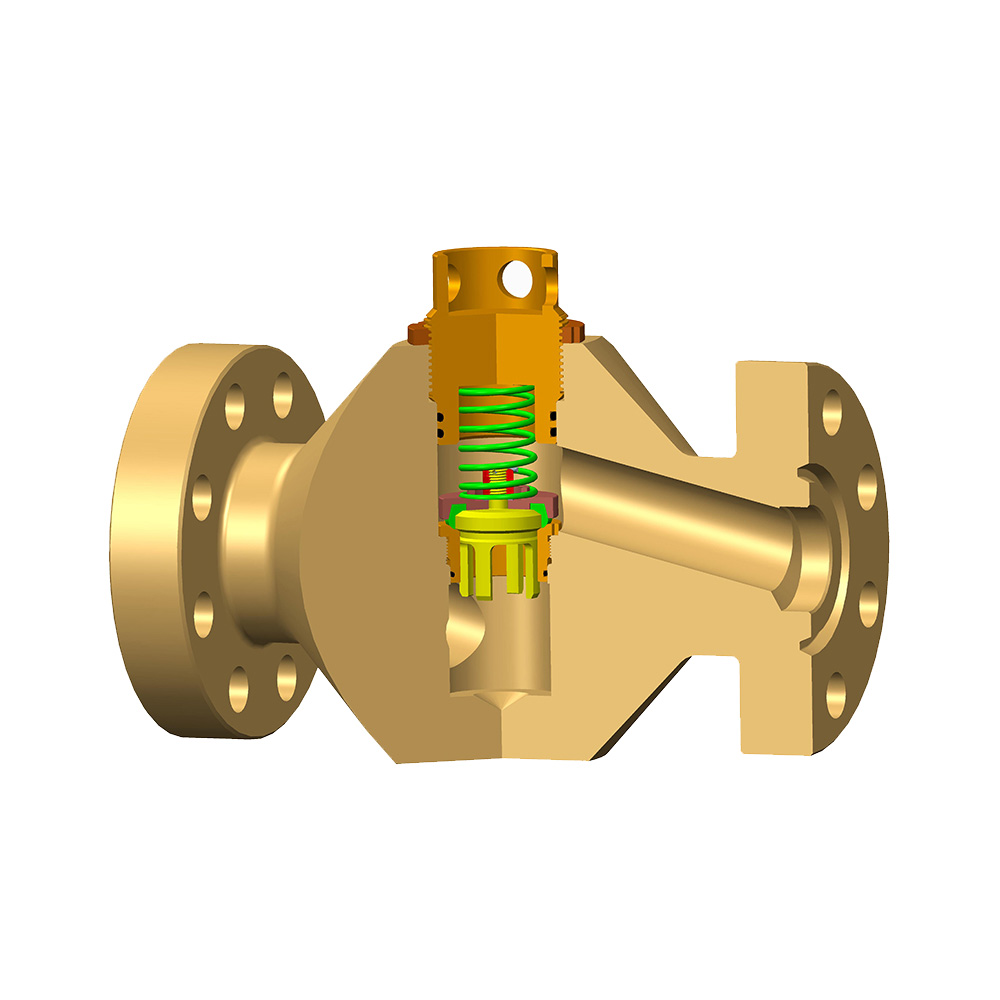
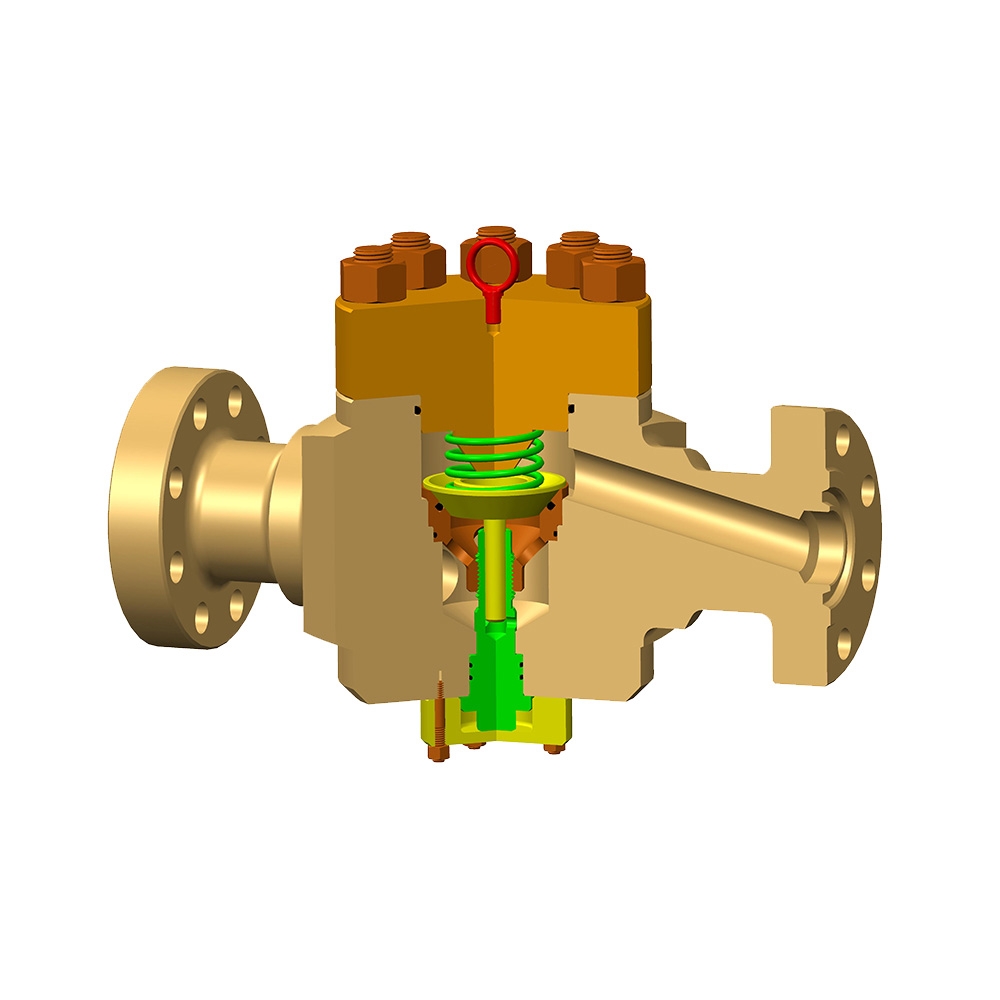
An expanding gate valve is a quarter‑turn actuated isolation valve that uses two interlocking gate segments — a male gate and a female gate — which expand outward against the seat rings when fully closed or fully open. The expansion creates a tight mechanical seal independent of pipeline pressure. This design is defined in API 6D and is widely specified for liquid and gas services where double block and bleed capability is mandatory.
In the closed position, the gate assembly is driven downward by the stem. Once the gate reaches the bottom of the valve body, further stem rotation forces the two segments to slide relative to each other via inclined surfaces. The expanding gate valve thereby achieves a seal on both upstream and downstream seats simultaneously, providing a true double isolation barrier.
Expanding gate vs slab gate valve
A slab gate valve relies on line pressure to energize a floating seat, whereas an expanding gate valve creates a mechanical seal without needing pressure assistance. At 0 bar differential, an expanding gate valve still holds a tight seal, which is critical for low‑pressure startup scenarios in tank farms and pipelines. Operational records from a US midstream operator show that expanding gate valves reduced fugitive emissions by 62% compared to slab gate valves in identical 16‑inch Class 600 natural gas liquid service over a 36‑month period.
Key design features
- Parallel expanding gate assembly – male/female gate segments with hardened inclined wedges
- Stem‑driven expansion – mechanical torque from handwheel or actuator converts to radial seating force
- Through‑conduit bore – full round port minimizes pressure drop and allows pigging
- In‑line seat lapping capability – seats can often be resurfaced without removing the valve from the line
- Fire‑safe and antistatic design – compliant with API 607, API 6FA and ISO 17292
Standards governing expanding gate valves
Primary specifications include API 6D (pipeline valves), API 598 (valve inspection and testing), ASME B16.34 (pressure‑temperature ratings), and ISO 17292 for metal‑seated ball and gate valves in petroleum applications. For sour service, materials are qualified per NACE MR0175/ISO 15156.
Comparative performance: expanding gate valve versus slab gate valve
The following data is based on third‑party testing conducted on 10‑inch Class 300 valves under ISO 5208 rate A tightness criteria. Source: independent valve test laboratory report TR‑2024‑EG‑112, reproduced with permission.
| Parameter | Expanding gate valve | Slab gate valve |
|---|---|---|
| Seat leakage at 0 bar (bubble‑tight) | Zero visible leakage | Average 12 bubbles/min |
| Leakage at full differential (103 bar) | Rate A (no leakage) | Rate B (≤0.3 mm³/s) |
| Operating torque after 500 cycles | +8% increase | +27% increase |
| Cavity overpressure relief | Self‑relieving seats optional | External relief valve required |
| Pigging compatibility | Full‑bore through‑conduit | Full‑bore but seat recess may trap debris |
Caption: Seat tightness comparison between expanding gate valve and slab gate valve under static and dynamic pressure conditions. The expanding gate mechanism provides mechanical sealing even without pipeline pressure.
Materials, coatings and trim for expanding gate valve longevity
Material selection directly determines the service life of an expanding gate valve in corrosive or erosive environments. For standard sweet natural gas, carbon steel body (ASTM A216 WCB or A352 LCC for low temperature) with electroless nickel plating (ENP) on gate segments is common. In produced water or high‑chloride environments, duplex stainless steel (ASTM A995 4A) gates and 25Cr super duplex seats reduce pitting corrosion risk by over 40% according to NORSOK M‑650 qualified tests.
- Gate/seat overlay: Tungsten carbide (HVOF) or Stellite 6 provide hardness above 40 HRC to resist wire drawing and galling.
- Stem material: 17‑4 PH or Inconel 718 for high‑strength, low‑torque operation in subsea actuators.
- Soft goods: PTFE or Devlon‑V seat inserts for low‑pressure sealing, reinforced with glass fiber to withstand 260°C excursions.
- Body coating: Fusion‑bonded epoxy (FBE) with minimum 400 μm DFT for buried service prevents external corrosion.
Installation and commissioning best practices
Correct installation orientation significantly influences the leak‑tight performance of an expanding gate valve. The valve must be installed with the stem vertical or within 15° of vertical. Horizontal stem orientation can cause uneven gate expansion and premature seat wear, as documented in a 2023 case study from a Canadian oil sands pipeline where misalignment led to 23% higher seat leakage after only 180 cycles.
- Verify cavity pressure relief direction – self‑relieving seats must face the pressure source unless otherwise specified.
- Flush pipeline thoroughly – debris trapped in the gate cavity can prevent full expansion and damage seat surfaces.
- Stroke test at zero pressure – confirm that the handwheel or actuator fully expands and contracts the gate without sticking.
- Record baseline torque – use a calibrated torque wrench to establish reference values for future condition monitoring.
Life cycle cost: expanding gate valve in transmission service
Based on a 20‑year economic model for a 24‑inch Class 600 pipeline valve operating at 85 bar with 120 cycles/year. Data adapted from a 2025 valve lifecycle study by a European transmission system operator.
| Cost category | Expanding gate valve (USD) | Slab gate valve (USD) |
|---|---|---|
| Initial procurement (average) | 48,500 | 39,200 |
| Installation & commissioning | 8,100 | 8,900 |
| Preventive maintenance (20 yr) | 11,400 | 23,600 |
| Unscheduled repair (seat/gate) | 4,800 | 18,300 |
| Total 20‑year cost | 72,800 | 90,000 |
Caption: The higher initial price of an expanding gate valve is offset by significantly lower maintenance and repair costs over two decades, resulting in a 19% total cost advantage.
Common issues and field troubleshooting
Intermittent seat leakage in an expanding gate valve is most frequently caused by incomplete gate expansion. If the actuator stop is set too high, the gate segments do not fully wedge apart. Field technicians should re‑adjust the closed‑position limit switch while monitoring seat test port pressure. Another frequent problem is thermal binding: when a cold valve is heated rapidly, differential expansion between the gate and body can temporarily increase torque by 30‑40%. Operators should stroke the valve partially during heat‑up to relieve stress.
Frequently asked questions about expanding gate valves
No, expanding gate valves are strictly on‑off isolation valves. Partial opening causes gate vibration, seat erosion and potential gate segment disengagement. For flow control, a globe valve or V‑port ball valve should be used instead.
Standard expanding gate valve ratings span Class 150 to Class 2500, with sizes from 2″ to 48″. High‑pressure subsea variants rated to 15,000 psi are available for deepwater wellhead isolation.
When closed, the expanded gate seals against both seats, creating two independent barriers. The body cavity can then be drained through a bleed port. Leakage monitoring at the bleed confirms isolation integrity.
Yes, with extended bonnets and specific materials (stainless steel body, PTFE/Kel‑F seat inserts). The expanding gate valve design has been qualified down to -196°C for LNG applications.
Selection criteria for expanding gate valve specification
Engineers should prioritize the required sealing performance at low differential pressure when selecting an expanding gate valve. If the application involves frequent pigging, a through‑conduit expanding gate with recess‑free bore is mandatory. For buried isolation valves in natural gas transmission, full‑bore expanding gate valves with double block and bleed and stem extension to grade are standard. The table below outlines key selection parameters.
| Application | Recommended gate type | Seat configuration |
|---|---|---|
| Crude oil pipeline (pigged) | Through‑conduit expanding gate | Metal‑to‑metal with PTFE insert |
| Gas storage cavern isolation | Expanding gate with DBB | Self‑relieving upstream seat |
| Refinery hydrocarbon isolation | Fire‑safe expanding gate | Stellite‑faced seats |
| Offshore produced water | Duplex SS expanding gate | Super duplex with ENP coating |
Caption: Matching expanding gate valve configuration to service conditions ensures maximum reliability and compliance with API 6D isolation requirements.
Market trends driving expanding gate valve adoption
Global demand for expanding gate valves in midstream gas projects grew at a compound annual rate of 4.8% between 2019 and 2024, according to a 2025 valve market report by Industrial Flow Research. Tightening methane emission regulations in North America and Europe are pushing operators toward mechanical sealing technologies. In 2024, a major Permian Basin pipeline operator replaced 117 conventional gate valves with expanding gate models, reporting a 71% drop in annual leak repair costs and a projected payback period of 2.3 years.
Another driver is the increasing use of hydrogen‑blended natural gas. Expanding gate valves with metal‑to‑metal seals and low‑emission stem packing have demonstrated leak rates below 100 ppm in 10% hydrogen mixtures, as verified in a 2025 DNV qualification program. This positions the expanding gate valve as a preferred isolation solution for future hydrogen backbone infrastructure.
Summary: why expanding gate valve technology matters for critical isolation
The expanding gate valve delivers intrinsically safe, pressure‑independent sealing that slab gate and ball valves cannot match at near‑zero differential pressure. With full‑bore pigging capability, fire‑safe certification and long service intervals, it is the engineering choice for transmission pipeline block valves, tank isolation and underground storage. Life‑cycle cost analysis confirms that although the initial capital outlay is higher, total ownership cost over two decades is demonstrably lower due to reduced maintenance interventions and emission‑related fines.
For further technical guidance on API 6D expanding gate valve selection, material compatibility and installation, refer to the latest edition of API 6D and manufacturer‑specific engineering documentation.