English
 русский
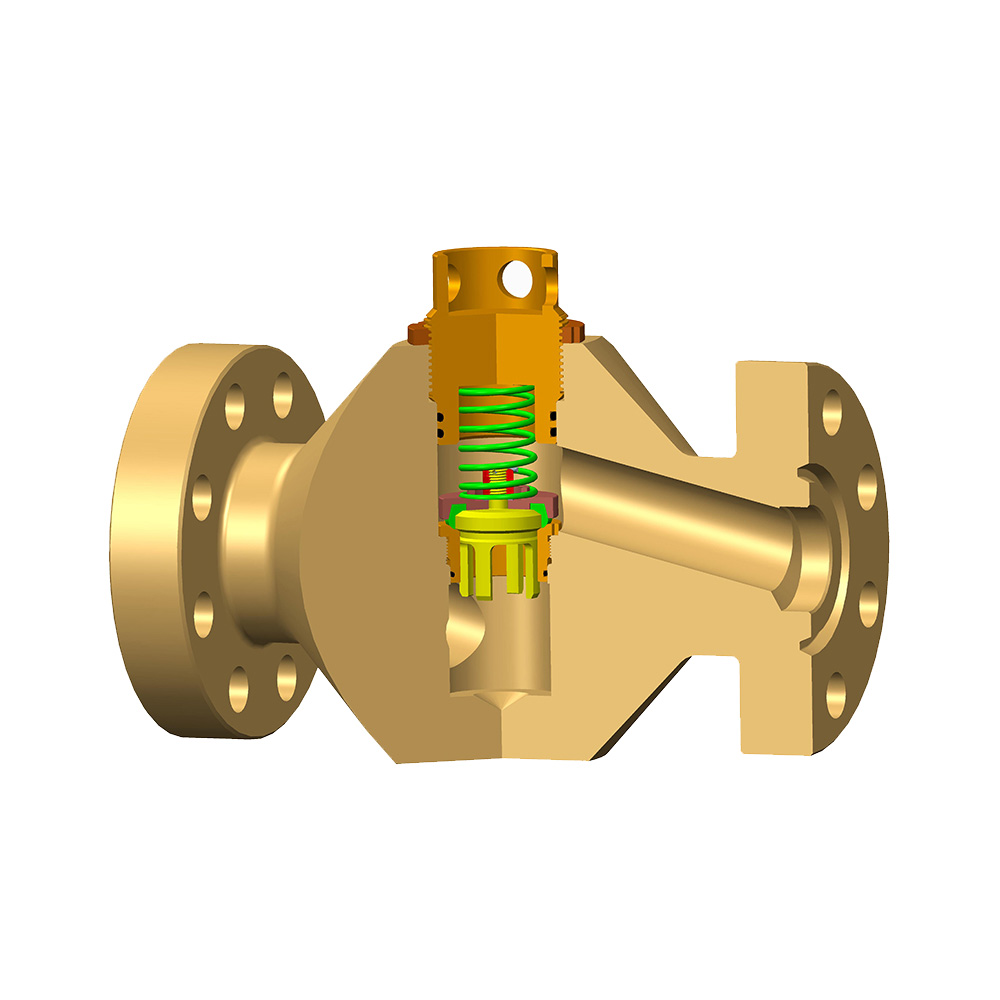
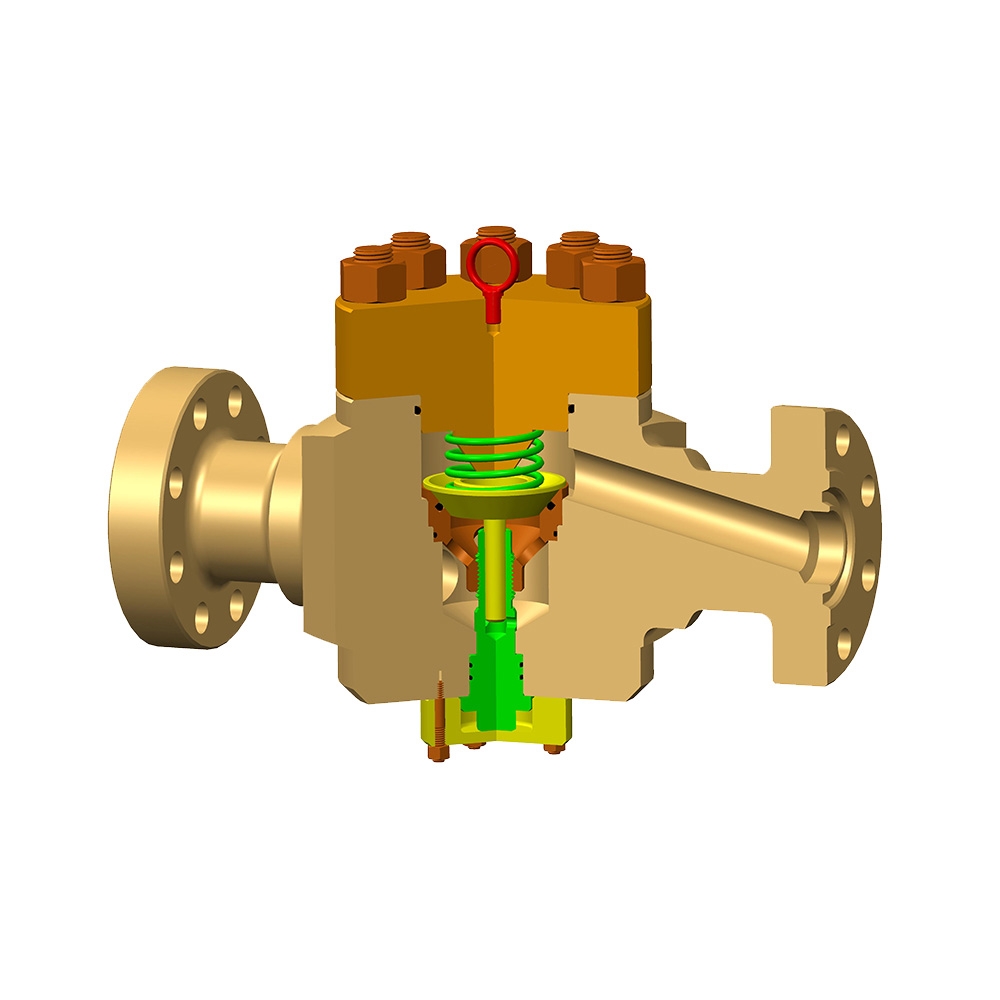
The Mud Gate Valve is a critical component in the oil and gas industry, particularly in drilling operations. Designed to control the flow of drilling mud and other fluids, these valves ensure the safety and efficiency of oilfield activities. Understanding how a Mud Gate Valve works, its types, and its applications can significantly improve operational reliability and minimize downtime.
Content
Definition of Mud Gate Valve
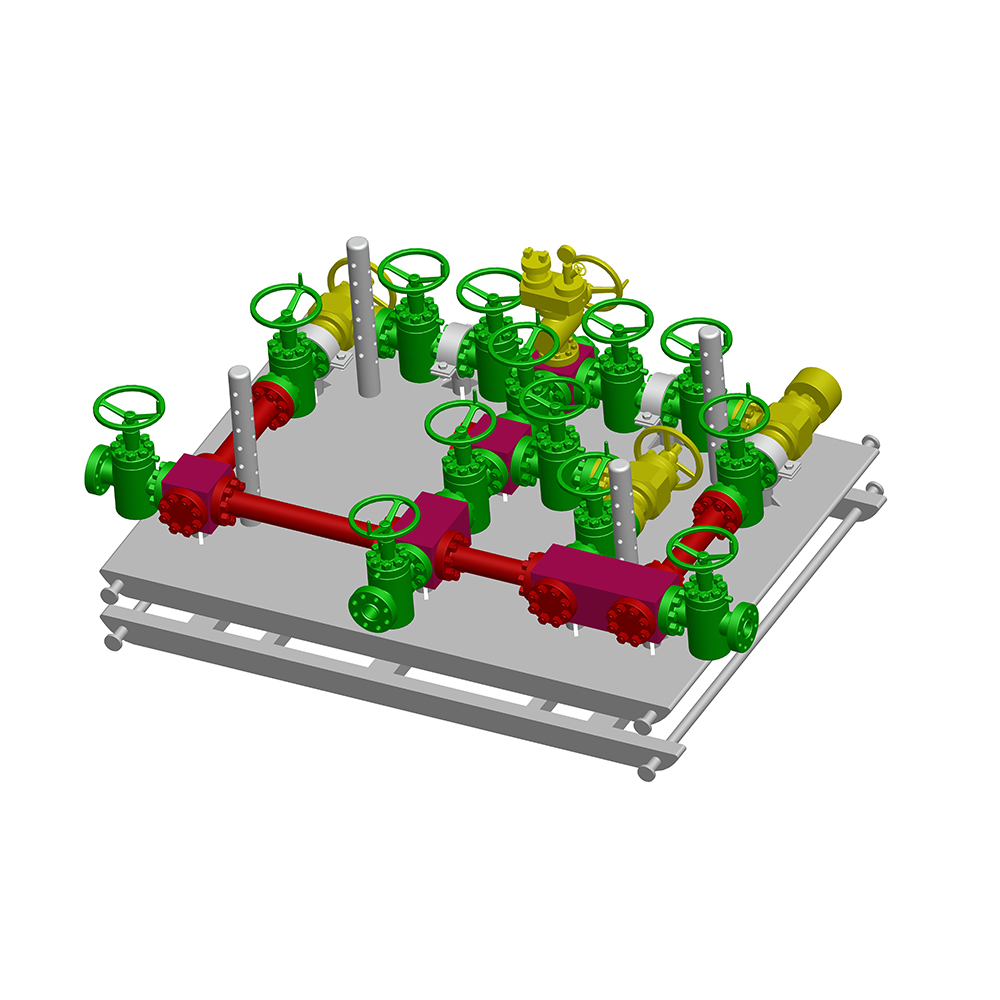
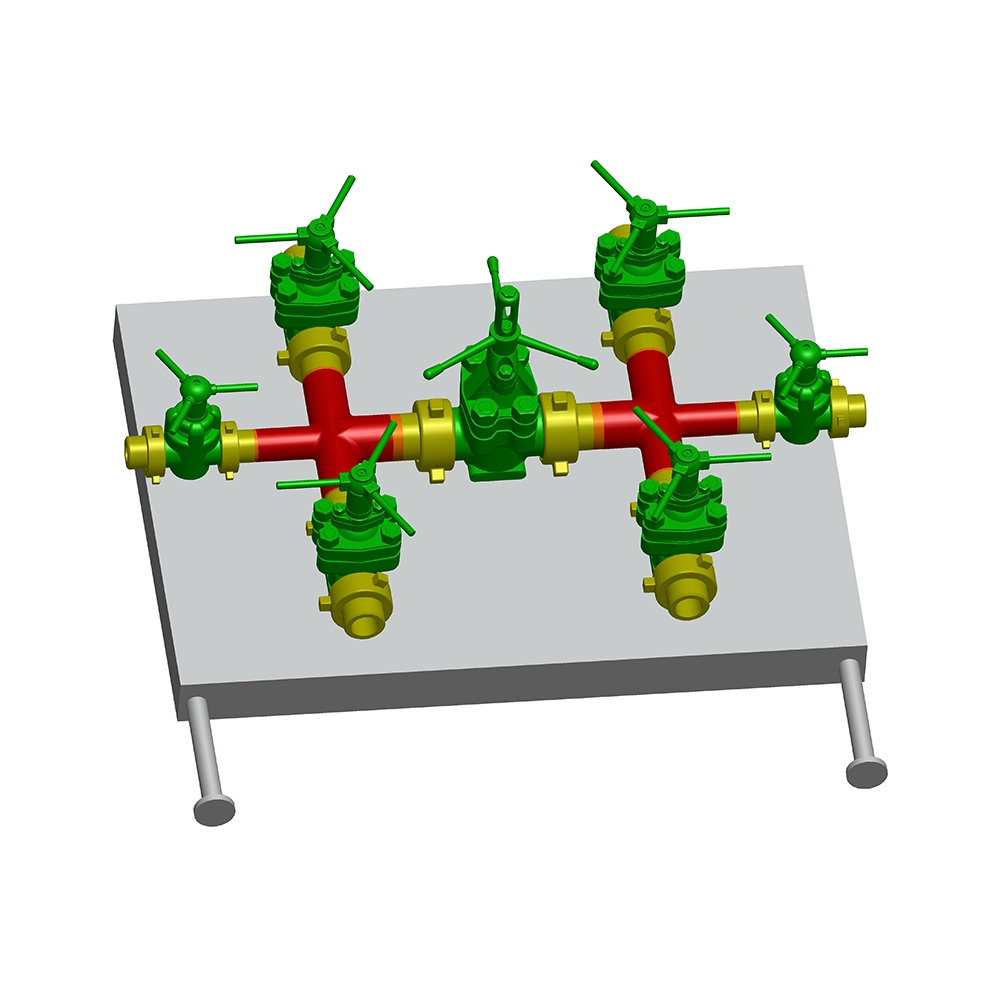
A Mud Gate Valve is a type of gate valve specifically engineered to handle drilling mud, a mixture of water, clay, and chemicals used in oil and gas drilling operations. Unlike standard gate valves, Mud Gate Valves are designed to withstand abrasive materials, high pressure, and extreme temperatures commonly encountered in drilling environments.
Key Features
- High Abrasion Resistance: Constructed with hardened materials to resist wear from drilling mud particles.
- Pressure Handling: Capable of managing high-pressure drilling fluids.
- Reliable Sealing: Prevents leakage even under extreme conditions.
- Durability: Engineered for long service life in harsh oilfield environments.
How Mud Gate Valves Work in Oil and Gas Operations
The Mud Gate Valve functions by opening or closing a gate mechanism that controls the flow of drilling mud. This allows operators to:
- Regulate drilling fluid circulation
- Control wellbore pressure
- Prevent blowouts by maintaining a stable mud column
Operational Mechanism
When the valve handle or actuator is operated, the gate moves vertically between the seats to either allow fluid passage or block it completely. The robust design ensures minimal leakage and smooth operation even in abrasive conditions.
Applications of Mud Gate Valves
Mud Gate Valves are essential in various stages of drilling and production operations:
1. Drilling Operations
During drilling, the valve controls the flow of mud from the mud pits to the drill string and back. This is crucial for:
- Maintaining proper hydrostatic pressure
- Cooling and lubricating the drill bit
- Transporting drill cuttings to the surface
2. Well Control
In the event of unexpected pressure surges, Mud Gate Valves help manage wellbore pressure to prevent blowouts or equipment damage.
3. Mud System Management
These valves are installed in mud circulation systems to regulate flow between mud pumps, shale shakers, and mud pits, ensuring efficient operation and minimizing downtime.
Types of Mud Gate Valves
Several types of Mud Gate Valves are used in oilfield applications:
1. Manual Mud Gate Valve
Operated by hand, manual valves are suitable for smaller operations or low-frequency use. They are simple, reliable, and cost-effective.
2. Hydraulic Mud Gate Valve
Hydraulic actuated valves allow remote operation, essential for high-pressure environments. They offer faster response times and reduce operator exposure to hazards.
3. Pneumatic Mud Gate Valve
Pneumatically operated valves use compressed air for operation. They provide smooth, automated control and are commonly used in large-scale mud circulation systems.
Materials and Construction
Mud Gate Valves are built with materials selected to withstand harsh oilfield conditions:
- Body: Carbon steel, stainless steel, or alloy steel for high strength and corrosion resistance.
- Gate: Hardened steel or tungsten carbide to resist erosion.
- Seals: PTFE, rubber, or metal-to-metal for leak-proof operation.
- Coatings: Anti-corrosion and abrasion-resistant coatings enhance durability.
Maintenance and Inspection
Regular maintenance of Mud Gate Valves is essential to ensure safe and efficient operations. Key steps include:
1. Visual Inspection
Check for signs of wear, corrosion, or leaks around the valve body and gate.
2. Lubrication
Apply proper lubricants to moving parts to prevent seizure and ensure smooth operation.
3. Seal Replacement
Inspect seals periodically and replace if worn to maintain a tight shut-off.
4. Functional Testing
Operate the valve fully open and closed to verify proper movement and sealing.
Advantages of Using Mud Gate Valves
- Improved well control and safety
- Efficient mud circulation
- Reduced equipment wear
- Extended service life
- Adaptable to high-pressure and high-temperature environments
Challenges and Considerations
While Mud Gate Valves are essential, operators must consider:
- Proper material selection based on mud composition
- Correct sizing to match flow requirements
- Regular maintenance to avoid downtime
- Training personnel for safe operation
Frequently Asked Questions (FAQ)
Q1: Can a Mud Gate Valve handle abrasive drilling mud?
Yes, Mud Gate Valves are designed with hardened materials and special coatings to resist abrasion from drilling mud.
Q2: What is the difference between a manual and a hydraulic Mud Gate Valve?
Manual valves are operated by hand and suitable for smaller systems, while hydraulic valves are actuated remotely, providing faster and safer operation under high pressure.
Q3: How often should Mud Gate Valves be inspected?
Inspection frequency depends on usage and operating conditions, but routine checks are recommended at least once every 3-6 months.
Q4: Are Mud Gate Valves suitable for offshore operations?
Yes, specially coated and corrosion-resistant Mud Gate Valves are used in offshore platforms to handle harsh marine conditions.
Q5: Can Mud Gate Valves prevent blowouts?
While they are an integral part of well control, Mud Gate Valves work in conjunction with other safety systems to prevent blowouts.
Conclusion
The Mud Gate Valve is indispensable in oil and gas drilling operations. Its ability to control abrasive fluids under high-pressure conditions ensures operational safety, efficiency, and durability. Proper selection, installation, and maintenance of Mud Gate Valves enhance performance, minimize downtime, and protect personnel and equipment.