English
 русский
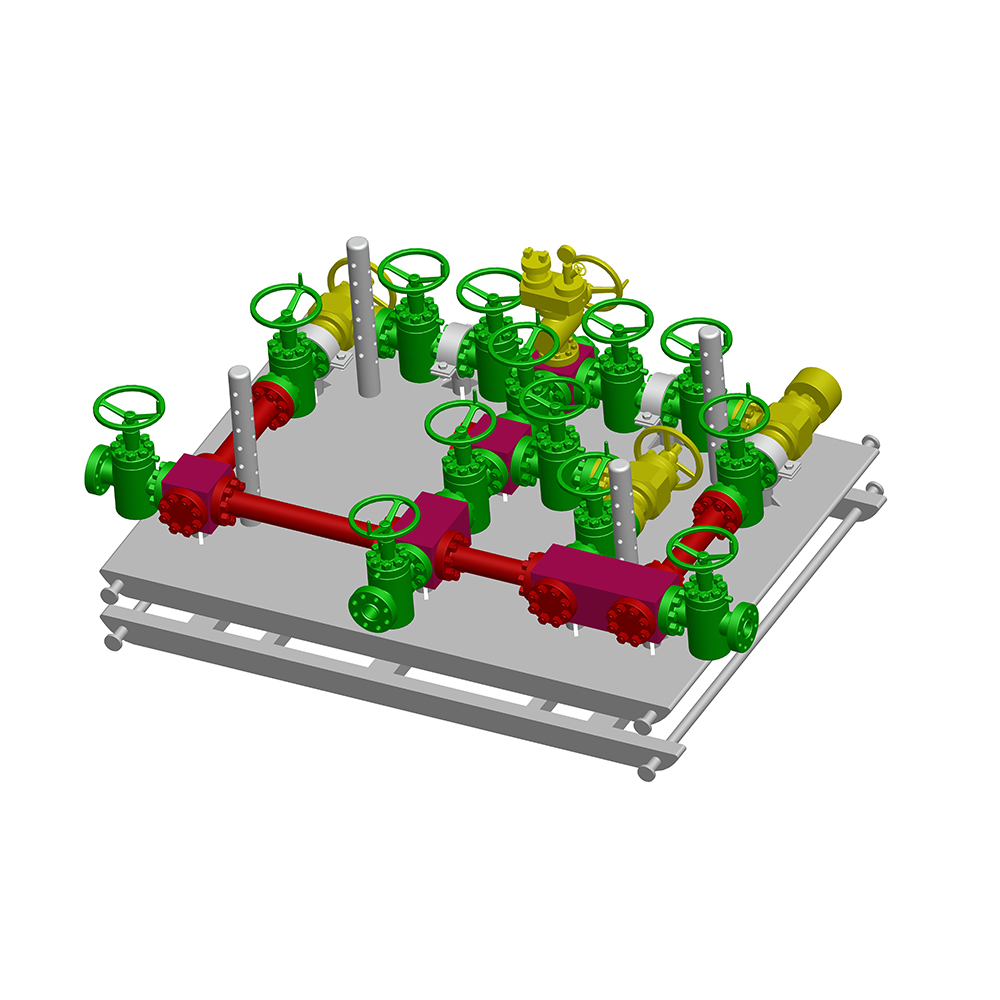
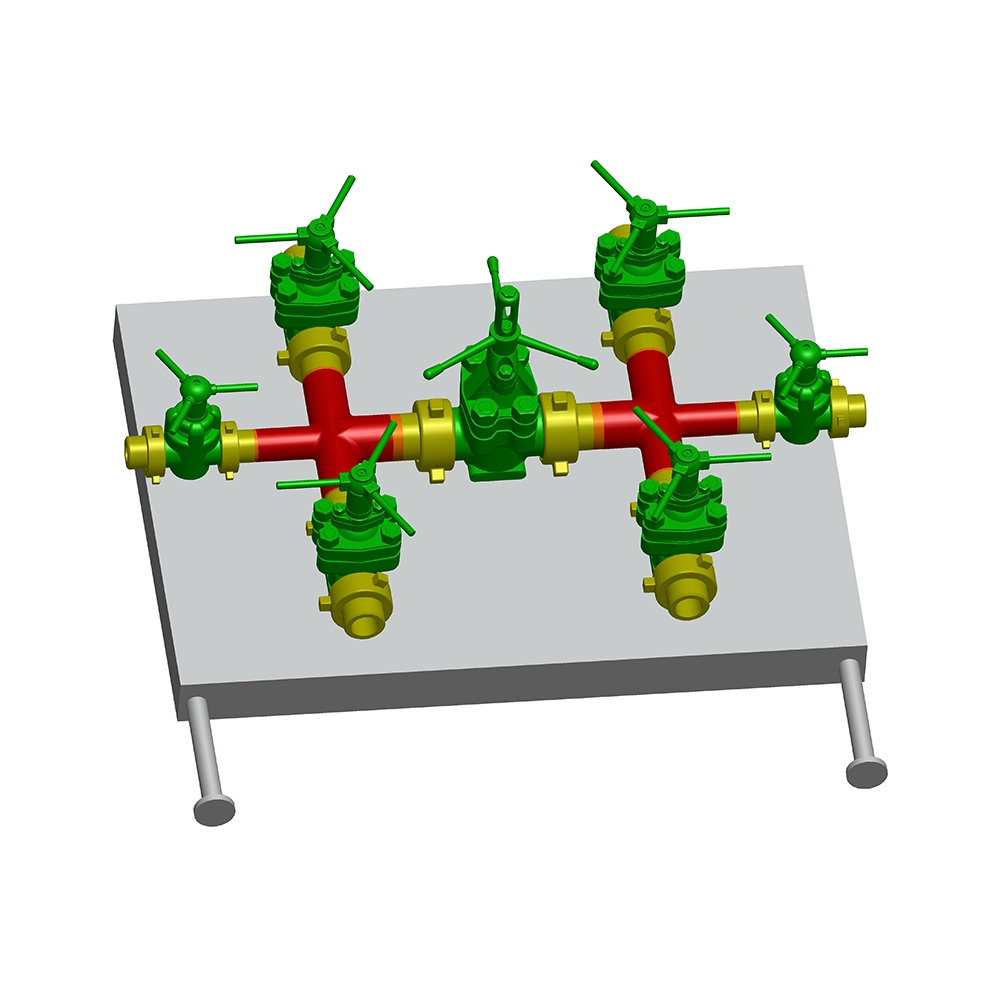
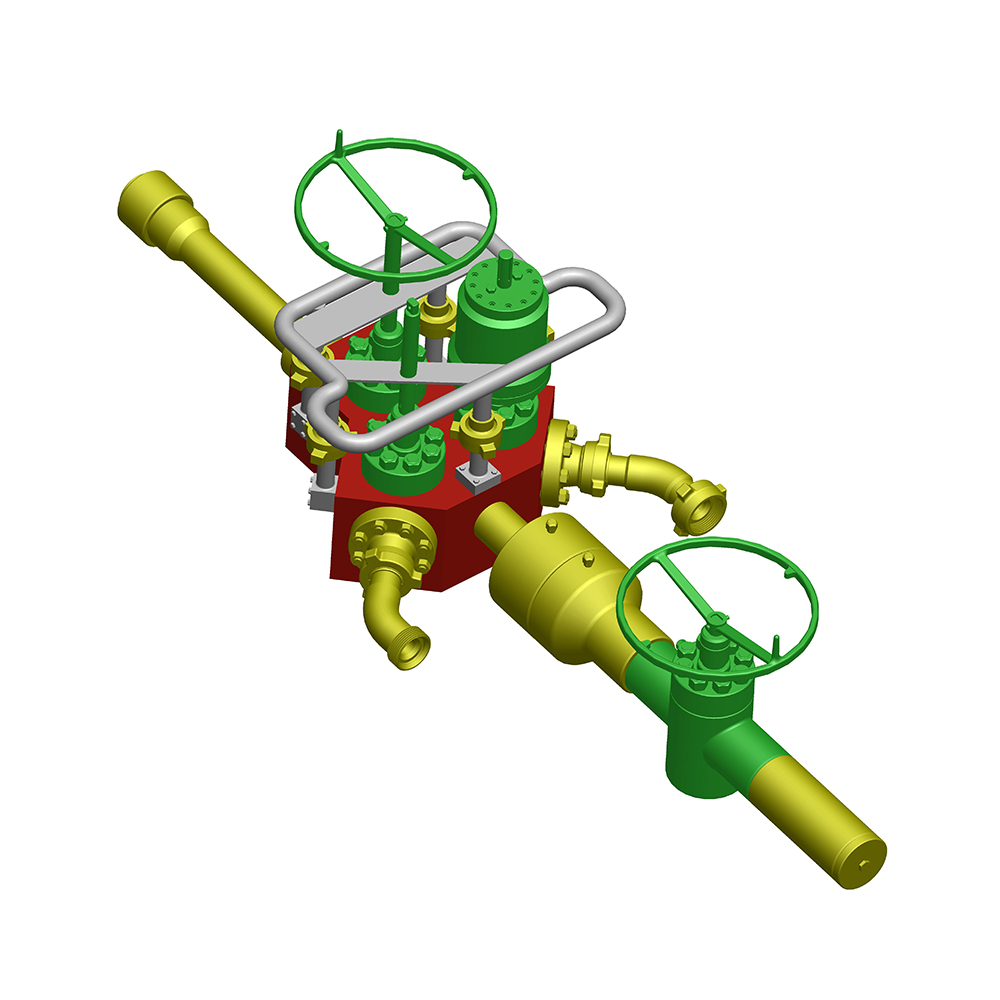
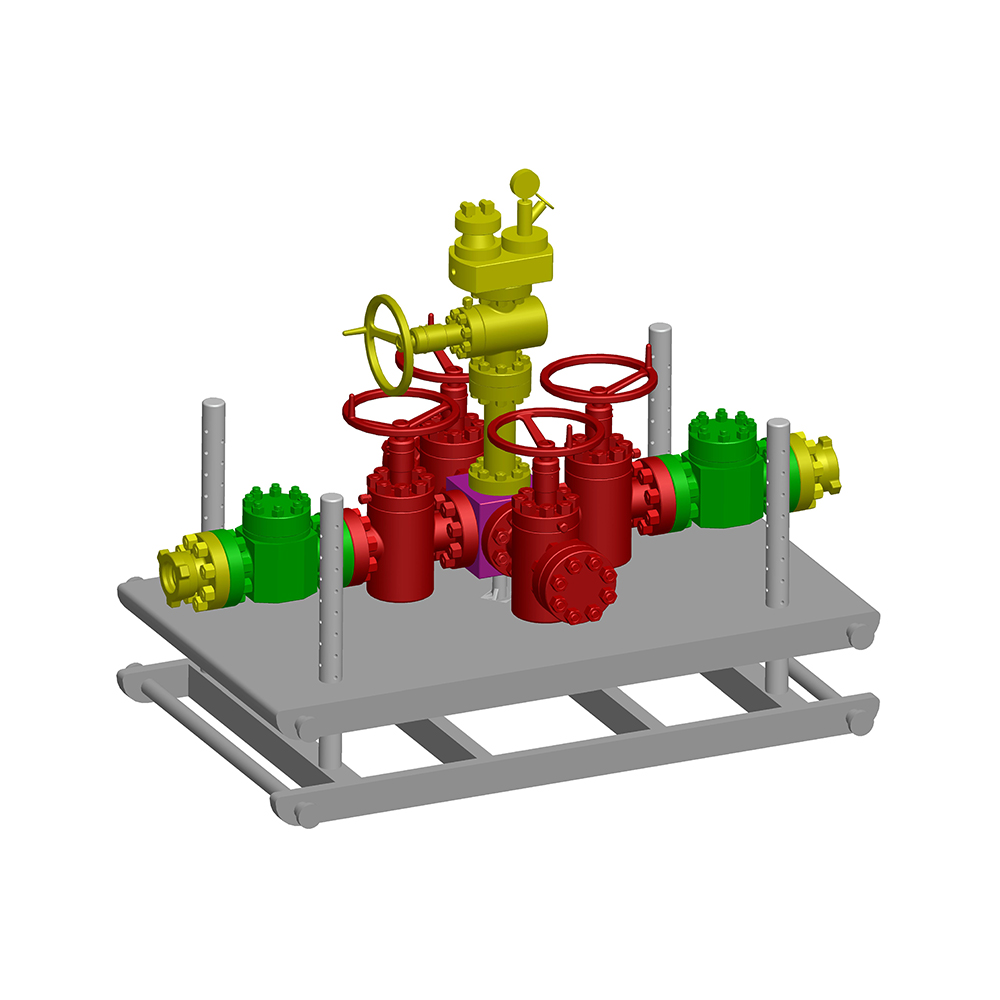
The nickname "Christmas tree" comes from the visual appearance of the equipment: its branching arrangement of valves and fittings, stacked vertically and extending outward, loosely resembles a decorated holiday tree. The term has been in standard oilfield use since at least the early 20th century and remains the universal shorthand — written as xmas tree in technical documentation worldwide.
Content
- How Does a Christmas Tree Work in Oil and Gas Production?
- Key Components of an Oil and Gas Christmas Tree
- Types of Christmas Trees Used in Oil and Gas
- Conventional vs. Horizontal vs. Subsea Christmas Tree: Side-by-Side Comparison
- Materials, Pressure Ratings, and Industry Standards
- The Critical Role of the Xmas Tree in Well Control and Safety
- Christmas Tree vs. Wellhead: What Is the Difference?
- Installing and Maintaining a Christmas Tree in Oil and Gas Operations
- Christmas Tree Market: Scale, Demand, and Industry Trends
- Frequently Asked Questions About Christmas Trees in Oil and Gas
- Q1: Why is it called a Christmas tree in oil and gas?
- Q2: What is the difference between a xmas tree and a blowout preventer (BOP)?
- Q3: Can a Christmas tree be repaired without shutting in the well?
- Q4: How long does a Christmas tree last in oil and gas service?
- Q5: What does "sour service" mean for a Christmas tree?
- Q6: Are Christmas trees used in gas wells as well as oil wells?
- Conclusion: Why the Xmas Tree Remains Central to Oil and Gas Operations
How Does a Christmas Tree Work in Oil and Gas Production?
The xmas tree controls wellhead pressure and directs produced fluids safely into the surface pipeline network. When oil or gas travels up the casing or tubing string from the reservoir, it reaches the wellhead at extremely high pressure — sometimes exceeding 15,000 psi (pounds per square inch). The Christmas tree sits atop the wellhead and immediately provides a controlled pathway for those fluids.
At its core, the tree accomplishes three tasks simultaneously:
- Pressure containment: Multiple valves hold back wellbore pressure and prevent uncontrolled release (blowouts).
- Flow control: Operators open or close specific valves to regulate production rates or shut in the well entirely.
- Injection and monitoring access: Side outlets allow chemical injection, pressure gauging, and well intervention without shutting production.
The produced fluids exit through the "flow wing" valve — the primary outlet — before entering flowlines that carry the stream to separation and processing facilities.
Key Components of an Oil and Gas Christmas Tree
Every xmas tree assembly contains several standardized components, though configurations vary by application, pressure rating, and operator specification. The core elements are consistent across the industry.
| Component | Function | Typical Pressure Rating |
|---|---|---|
| Master Gate Valve (lower) | Primary wellbore shutoff; first line of pressure control | Up to 20,000 psi |
| Master Gate Valve (upper) | Backup shutoff; isolates upper assembly from wellbore | Up to 20,000 psi |
| Flow Wing Valve | Controls production outflow to flowlines | Up to 15,000 psi |
| Kill Wing Valve | Allows injection of kill fluid to control the well | Up to 15,000 psi |
| Swab Valve (Crown Valve) | Top access point for wireline and coiled tubing operations | Matches tree rating |
| Choke (Bean) | Restricts flow rate; manages reservoir pressure drawdown | Varies |
| Pressure Gauges / Transducers | Monitor casing and tubing pressures in real time | Instrument-rated |
Types of Christmas Trees Used in Oil and Gas
Christmas trees are broadly classified into two categories — conventional (vertical) trees and horizontal trees — with subsea trees forming a third distinct class for offshore deepwater applications.
1. Conventional Vertical Christmas Tree
The conventional vertical tree is the most widely used design onshore and on fixed offshore platforms. In this configuration, the master valves are stacked directly above the wellhead, with wing valves branching horizontally at the sides. The entire assembly sits upright, creating the classic Christmas tree silhouette. Pressure ratings typically range from 2,000 psi (low-pressure gas wells) to 20,000 psi (high-pressure, high-temperature reservoirs). Installation is straightforward, and the design allows easy access for maintenance.
2. Horizontal Christmas Tree
Horizontal trees place the production bore outlet sideways, with the tubing hanger located inside the tree body rather than in the wellhead. This design is preferred for wells requiring frequent intervention, such as high-production wells with electric submersible pumps. The horizontal layout reduces the overall height of the wellhead assembly and simplifies the installation of blowout preventers (BOPs) during well completion and workover operations.
3. Subsea Christmas Tree
Subsea xmas trees are specially engineered systems installed directly on the seabed, designed to withstand extreme water pressures and corrosive deep-ocean environments. These are remotely operated — controlled from the surface via hydraulic or electro-hydraulic control umbilicals — and serviced by remotely operated vehicles (ROVs). Subsea trees are common in deepwater fields where water depths exceed 300 meters. Some subsea trees operate at depths greater than 3,000 meters (nearly 10,000 feet), where pressures surpass 450 bar (approximately 6,500 psi of hydrostatic pressure alone, before accounting for reservoir pressure).
Conventional vs. Horizontal vs. Subsea Christmas Tree: Side-by-Side Comparison
| Feature | Conventional (Vertical) | Horizontal | Subsea |
|---|---|---|---|
| Tubing Hanger Location | Wellhead | Tree body | Tree body (subsea) |
| Typical Environment | Onshore / surface | Onshore / offshore platform | Deepwater offshore |
| Intervention Access | Direct | Direct (easier BOP installation) | ROV / umbilical |
| Max Pressure Rating | Up to 20,000 psi | Up to 15,000 psi | Up to 15,000 psi (+ hydrostatic) |
| Relative Cost | Lower | Moderate | Very high ($1M–$5M+) |
| Maintenance Complexity | Low | Low to moderate | High (requires ROV or intervention vessel) |
Materials, Pressure Ratings, and Industry Standards
Christmas trees in oil and gas must meet strict material and pressure specifications governed by international standards, most notably the American Petroleum Institute (API) Specification 6A for surface trees and API Specification 17D for subsea trees. These standards define everything from body material grades to valve seat testing protocols.
Common materials for xmas tree bodies and components include:
- Carbon steel (AISI 4130): Standard for most onshore and moderate-environment applications.
- Stainless steel (316L, duplex, super duplex): Used in corrosive environments with high H₂S (sour service) or CO₂ content.
- Inconel and other nickel alloys: Reserved for extreme high-temperature, high-pressure (HTHP) and highly corrosive reservoir conditions.
API 6A defines six standard pressure ratings: 2,000 / 3,000 / 5,000 / 10,000 / 15,000 / 20,000 psi. A correctly specified tree must match or exceed the maximum anticipated wellhead pressure (MAWHP) with an appropriate safety margin. Selecting an under-rated tree is not only a regulatory violation but a severe safety hazard.
The Critical Role of the Xmas Tree in Well Control and Safety
The xmas tree is the last line of pressure defense at the surface after the blowout preventer (BOP) is removed post-completion. Once a well is on production and the BOP stack has been replaced by the Christmas tree, all surface well control capability rests with the tree's valves and the downhole safety valve (DHSV) — a sub-surface valve that can also shut in the well automatically if surface pressure anomalies are detected.
Emergency shutdown (ESD) systems are integrated into modern xmas trees. If sensors detect a leak, a fire, or abnormal pressure excursions, the ESD logic automatically closes the master valves and isolates the wellbore within seconds. This automatic response capability is mandatory under regulatory frameworks including the International Association of Oil & Gas Producers (IOGP) standards and regional regulations such as the UK's Offshore Installations and Wells (Design and Construction, etc.) Regulations (DCR) and the US Bureau of Safety and Environmental Enforcement (BSEE) requirements.
Industry data illustrates the importance: a study published in petroleum engineering literature found that wellhead equipment failures — including tree valve failures — account for approximately 8–12% of all unplanned well shutdown events globally. Proper tree selection, installation, and maintenance programs are therefore directly tied to production uptime and field safety records.
Christmas Tree vs. Wellhead: What Is the Difference?
The wellhead and the Christmas tree are related but distinct assemblies — a common source of confusion for those new to oil and gas terminology.
| Aspect | Wellhead | Christmas Tree (Xmas Tree) |
|---|---|---|
| Definition | Structural and pressure-containing base at surface; includes casing heads and tubing head | Valve assembly mounted on top of the wellhead to control production flow |
| Primary Role | Structural support; annulus access; casing pressure sealing | Production flow control; safety isolation; well monitoring |
| Installed When | During drilling operations | After well completion, when production begins |
| Removed for Workover? | No (remains permanently) | Yes (replaced temporarily by a BOP for well intervention) |
| Contains Valves? | Generally no (may include casing valves) | Yes — multiple gate valves, choke, and kill valves |
In everyday oilfield conversation, "wellhead" is sometimes used loosely to refer to the entire surface assembly including the tree — but engineers and equipment suppliers use the terms precisely and distinctly.
Installing and Maintaining a Christmas Tree in Oil and Gas Operations
Installation of a Christmas tree occurs at the end of well completion, immediately after the tubing string and tubing hanger are set in the wellhead. The process requires pressure-isolating the wellbore (typically with kill fluid or by holding the well shut in) before the BOP is removed and the tree is lifted into place and landed on the tubing head spool. All connections are torqued to API specification, pressure tested, and function-tested before the well is opened to production.
Routine maintenance of surface xmas trees includes:
- Valve function testing: Each gate valve is exercised (opened and closed) on a defined schedule — typically annually or as dictated by the operator's SEMS (Safety and Environmental Management System) program.
- Leak detection: Visual inspections and ultrasonic testing identify stem seal or body seal leaks before they become hazardous.
- Choke inspection and replacement: Erosive production streams (e.g., sand-laden or high-velocity gas) rapidly wear choke beans; replaceable choke inserts are inspected on intervals as short as monthly in severe service.
- Hydraulic actuator servicing: On automated or remotely operated trees, hydraulic actuators and ESD solenoids are bench-tested periodically.
- Corrosion monitoring: Particularly important in sour service (H₂S) environments, where sulphide stress cracking (SSC) can degrade metal integrity even in certified NACE MR0175-compliant materials over time.
Christmas Tree Market: Scale, Demand, and Industry Trends
The global oil and gas Christmas tree market was valued at approximately USD 3.8 billion in 2023 and is projected to reach USD 5.4 billion by 2030, driven by deepwater exploration activity, well count growth in the Middle East and North America, and the replacement cycle of aging wellhead equipment. Subsea trees represent the highest-value segment, with individual units costing between USD 1 million and USD 5 million or more depending on specification.
Key demand drivers include:
- Deepwater and ultra-deepwater development: Fields in the pre-salt basins of Brazil, West Africa, and the Gulf of Mexico require large numbers of subsea Christmas trees. Brazil's offshore pre-salt fields alone required over 200 subsea trees between 2015 and 2024.
- Onshore shale and tight oil: The Permian Basin in West Texas and New Mexico continued to see drilling activity exceeding 300 active rigs as of early 2025, each new well requiring a Christmas tree upon completion.
- Well life extension programs: Mature fields often refurbish or replace aging xmas trees rather than abandoning the well, supporting aftermarket parts and service revenue.
- Digitalization and smart trees: Increasingly, operators are specifying trees with integrated pressure/temperature transmitters, wireless sensor nodes, and digital communication interfaces that feed real-time data into production optimization platforms.
Frequently Asked Questions About Christmas Trees in Oil and Gas
Q1: Why is it called a Christmas tree in oil and gas?
The name comes from the visual appearance of the assembly. The stacked valves and branching pipe fittings — particularly when viewed from the side — resemble the silhouette of a decorated Christmas tree. The term "xmas tree" has been used informally in the industry since the early days of oil production in the early 1900s and remains the standard shorthand in technical and operational contexts globally.
Q2: What is the difference between a xmas tree and a blowout preventer (BOP)?
A BOP is a large pressure-control device used during drilling and completion operations to seal the wellbore in an emergency. It is a temporary installation removed once the well is completed. The Christmas tree, by contrast, is a permanent (or semi-permanent) production installation that replaces the BOP and handles flow control throughout the producing life of the well. In short: the BOP protects during drilling; the xmas tree manages production.
Q3: Can a Christmas tree be repaired without shutting in the well?
In some cases, yes. Certain components such as the choke bean, pressure gauges, and actuator accessories can be replaced while the well remains on production, provided the appropriate isolation valves are in good working order. However, any work on primary pressure-containing elements — such as replacing valve stems, seals, or the tree body — requires shutting in the well and pressure-isolating the assembly. Live work on pressurized wellhead equipment is a high-risk activity governed by strict permit-to-work and management of change procedures.
Q4: How long does a Christmas tree last in oil and gas service?
Surface xmas trees have a design life typically ranging from 20 to 25 years under normal operating conditions, though the actual service life depends heavily on the corrosiveness of the produced fluids, operating pressures, and maintenance quality. In H₂S-rich or highly corrosive environments, more frequent inspection and earlier replacement may be necessary. Subsea Christmas trees generally carry a design life of 20 years, in line with the field development design basis.
Q5: What does "sour service" mean for a Christmas tree?
"Sour service" refers to conditions where the produced fluids contain hydrogen sulphide (H₂S) above threshold concentrations defined by NACE International (now AMPP) Standard MR0175 / ISO 15156. H₂S causes sulphide stress cracking (SSC) and hydrogen-induced cracking (HIC) in susceptible steels, making material selection critical. Christmas trees specified for sour service must use alloys that meet stringent hardness, heat treatment, and chemical composition requirements to prevent catastrophic brittle failure under pressure.
Q6: Are Christmas trees used in gas wells as well as oil wells?
Yes. Christmas trees are used on all types of producing wells — oil wells, gas wells, condensate wells, injection wells, and geothermal wells. The fundamental engineering function (wellhead pressure control and flow management) is the same across all applications. Gas wells, particularly high-pressure gas wells, often require higher-rated trees due to the compressibility and expansion characteristics of gas under pressure changes. Injection wells — used for water injection, gas injection, or CO₂ sequestration — also use trees configured specifically for injection rather than production service.
Conclusion: Why the Xmas Tree Remains Central to Oil and Gas Operations
The Christmas tree in oil and gas is far more than a quirky nickname. It is an engineered pressure-control system whose correct specification, installation, and maintenance directly determines whether a well produces safely, efficiently, and without environmental incident. From simple 2,000-psi onshore trees to complex electronically controlled deepwater subsea systems, the xmas tree has evolved dramatically — but its core mission has never changed: to give operators reliable, controllable access to one of the highest-energy systems in industrial engineering.
As the industry moves toward greater automation, digitalization, and extended-reach deepwater production, the xmas tree will continue to sit at the convergence of mechanical engineering, materials science, safety management, and production optimization. Understanding this equipment — its components, types, standards, and limitations — remains foundational knowledge for anyone working in upstream oil and gas.