English
 русский
Wellhead valves are pressure-control devices installed at the surface of an oil, gas, or water well that regulate flow, isolate pressure zones, and provide emergency shutoff capability, forming the primary barrier between high-pressure subsurface formations and the surface equipment and personnel above ground. Without correctly specified and maintained wellhead valves, a well cannot be safely produced, tested, or serviced. This guide explains how wellhead valves function, the different types used across the industry, how they compare to one another, and what factors determine the right valve for a given well.
Content
- How Do Wellhead Valves Fit Into the Overall Wellhead System?
- Which Types of Wellhead Valves Are Used in the Field?
- How Are Wellhead Valves Rated for Pressure and Temperature?
- Why Manual vs. Actuated Wellhead Valves Matters for Safety
- How Often Should Wellhead Valves Be Inspected and Tested?
- What Causes Wellhead Valve Failures?
- How Material Selection Affects Wellhead Valve Performance
- Which Factors Determine the Right Wellhead Valve for a Specific Well?
- Frequently Asked Questions About Wellhead Valves
- What is the difference between a wellhead valve and a Christmas tree?
- Why do wells need more than one master valve?
- Can the same wellhead valve be used for both oil and gas wells?
- How long do wellhead valves typically last before replacement?
- What happens if a wellhead valve fails while the well is producing?
- Are wellhead valves regulated by a specific industry standard?
- Conclusion
How Do Wellhead Valves Fit Into the Overall Wellhead System?
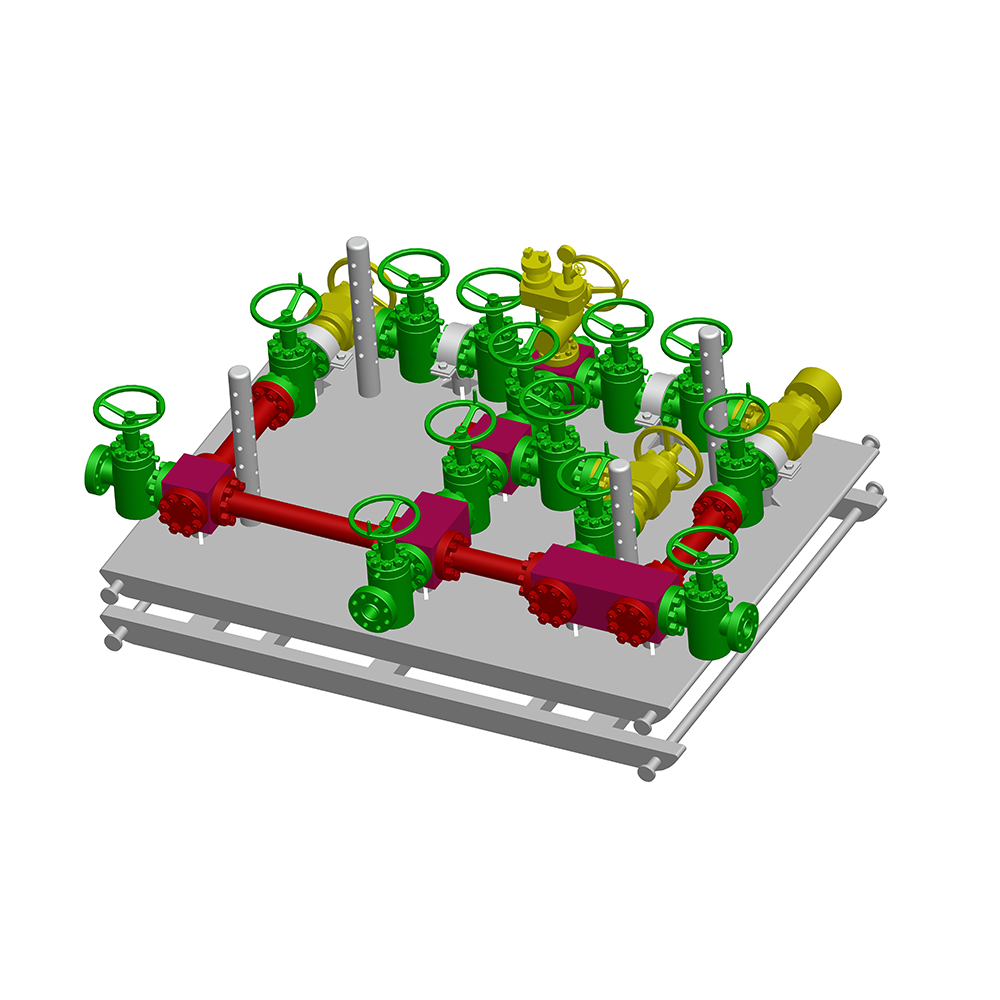
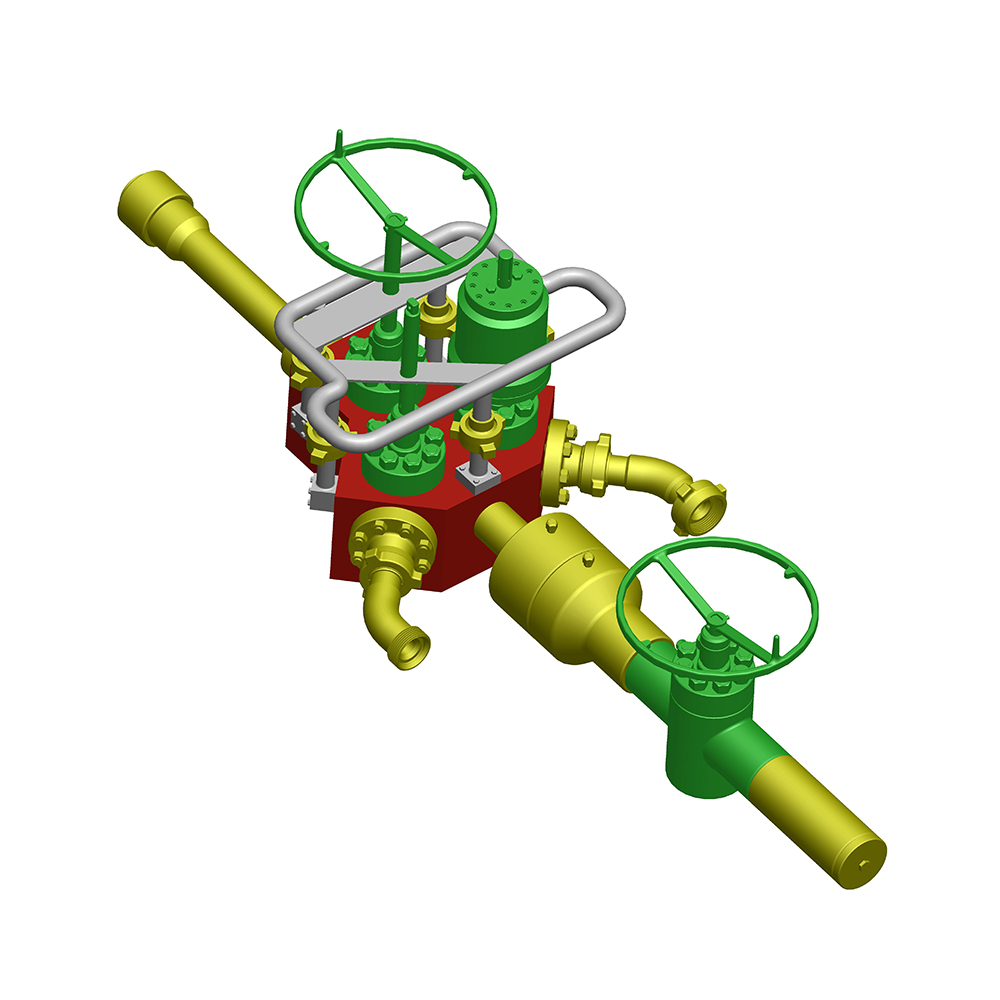
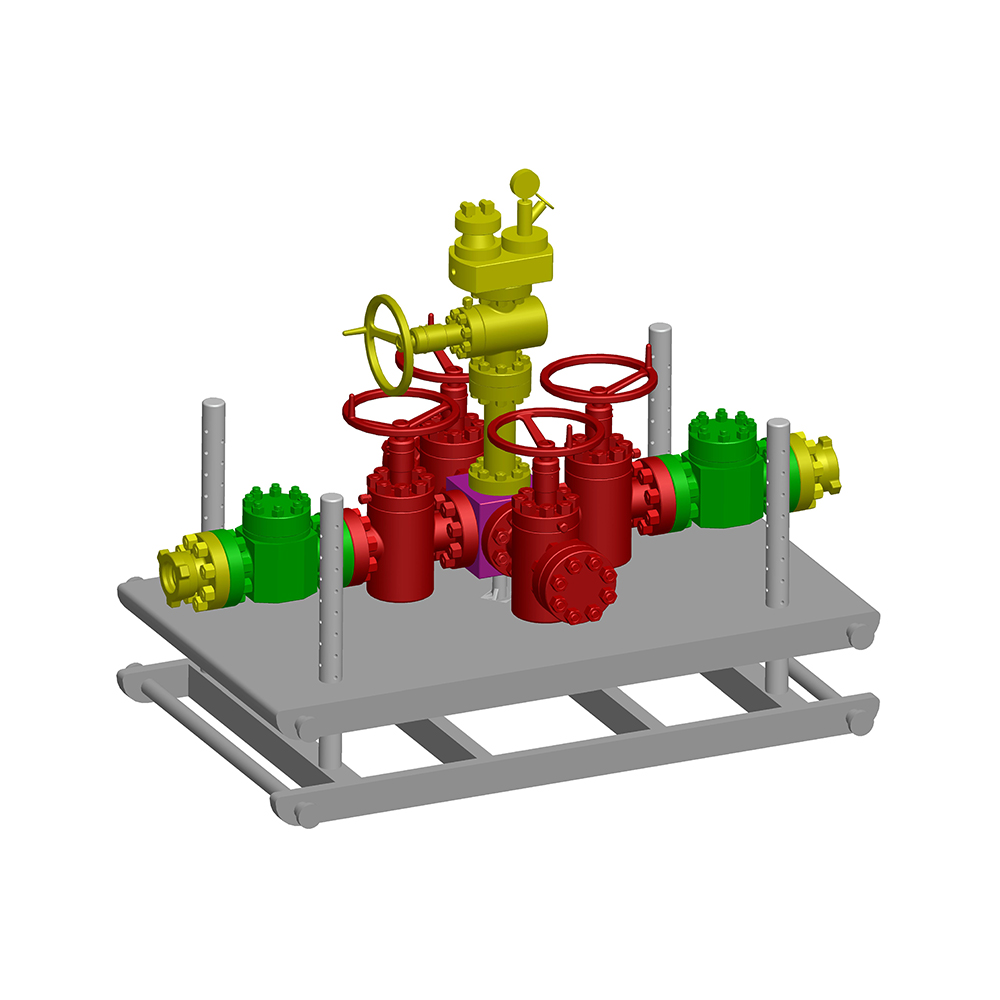
Wellhead valves are mounted on the wellhead assembly and Christmas tree — the stack of fittings, spools, and valves positioned above the well casing — where they control the flow of produced fluids and provide multiple independent points of pressure isolation. A typical wellhead system has several distinct valve positions, each serving a specific safety or operational function rather than being interchangeable parts.
According to API Specification 6A, published by the American Petroleum Institute and the most widely referenced standard for wellhead and Christmas tree equipment, wellhead components — including valves — are classified by pressure rating, temperature rating, and material class to ensure they are matched correctly to a well's specific operating conditions. This standardization is what allows operators across different regions and well types to specify equipment with a consistent, verifiable safety basis.
Master Valves, Wing Valves, and Swab Valves
The master valve sits at the base of the Christmas tree and provides the primary means of fully shutting in the well, the wing valves control flow direction to production or testing lines, and the swab valve at the top allows access for wireline and well intervention tools. Each of these valves can independently isolate a section of the wellhead, which is why a properly designed system always includes multiple redundant valve positions rather than relying on a single point of control.
Which Types of Wellhead Valves Are Used in the Field?
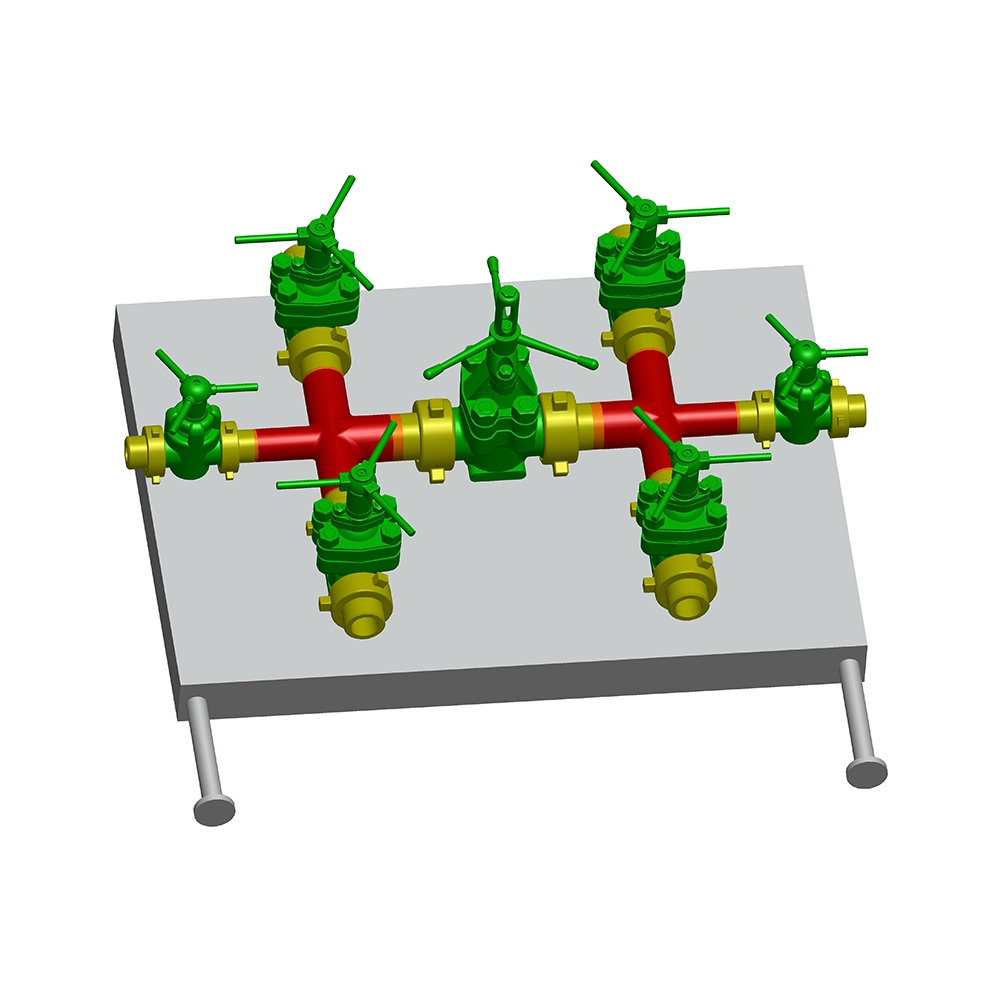
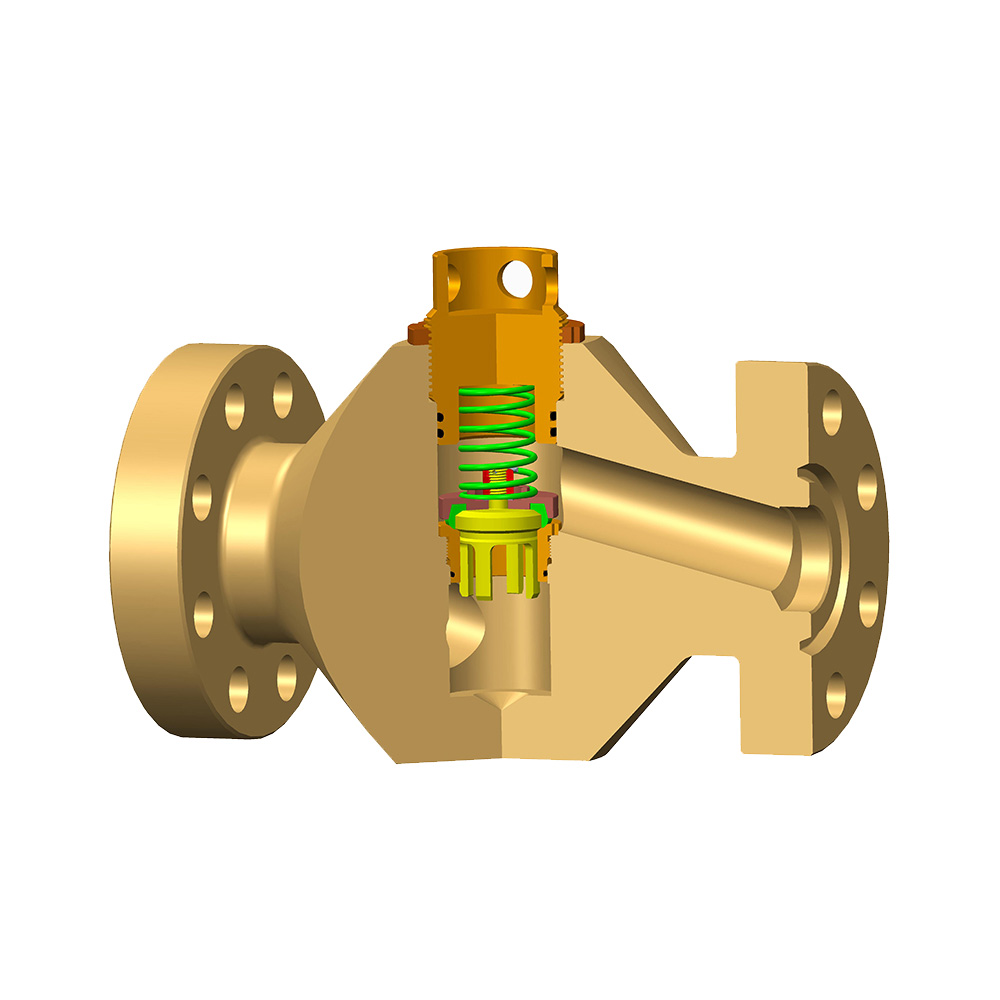
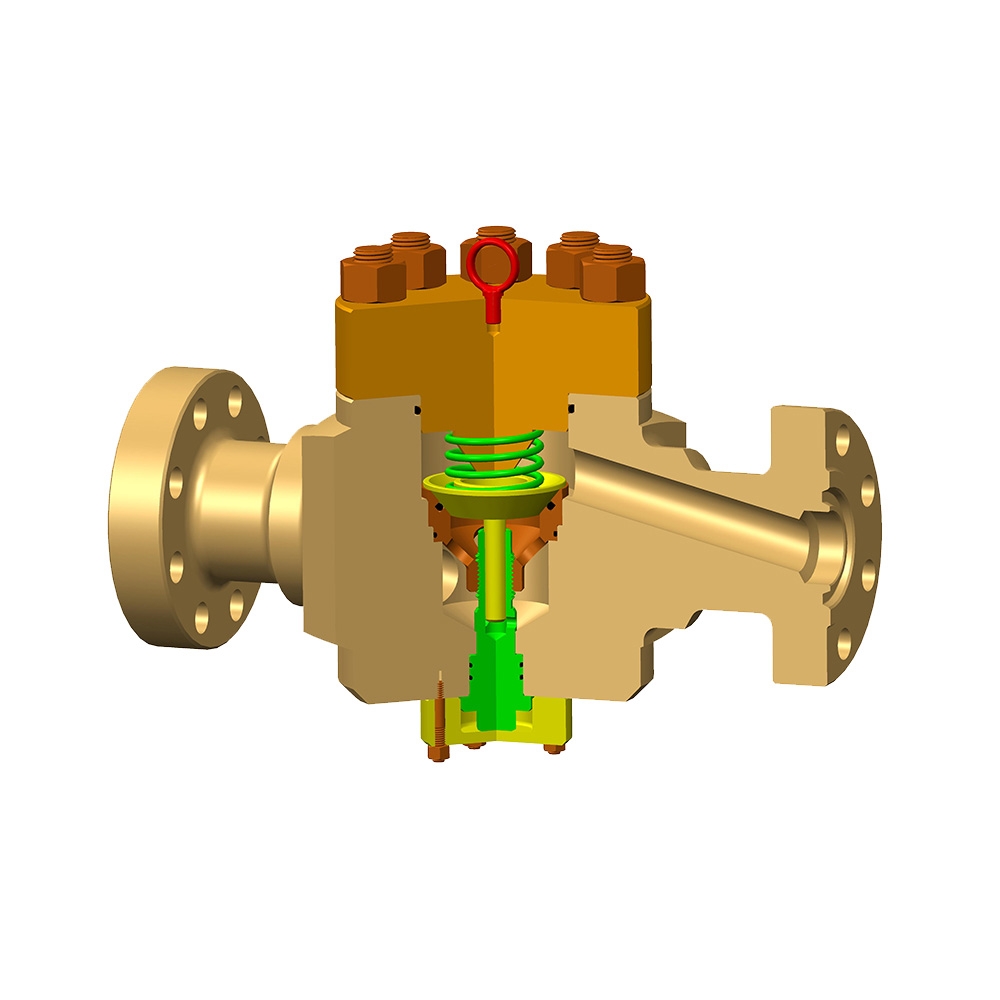
The most common wellhead valve types are gate valves, ball valves, check valves, and choke valves, each selected based on whether the application calls for full on/off shutoff, flow throttling, or one-directional flow control.
| Valve Type | Primary Function | Typical Wellhead Position | Flow Control Capability |
| Gate valve | Full open/close isolation | Master valve, wing valve | On/off only — not for throttling |
| Ball valve | Quick-acting shutoff | Wing valve, swab valve | On/off, fast quarter-turn operation |
| Choke valve | Precise flow rate and pressure throttling | Downstream of wing valve | Variable — designed for throttling |
| Check valve | Prevents reverse flow | Injection lines, flowback lines | One-directional only, no manual throttling |
| Needle valve | Fine pressure bleed-off and instrumentation isolation | Pressure gauge connections, test ports | Fine, low-volume throttling |
Caption: Common wellhead valve types, their primary functions, typical mounting positions, and flow control capabilities.
Gate Valves vs. Ball Valves: Why Both Are Used
Gate valves are favored for master valve positions because their straight-through bore creates minimal flow restriction and wear over long service life, while ball valves are increasingly used in wing and swab positions because their quarter-turn operation allows faster emergency shutoff. Many modern wellhead designs combine both valve types strategically across different positions to balance long-term durability against rapid-response shutoff capability.
How Are Wellhead Valves Rated for Pressure and Temperature?
Wellhead valves are rated using standardized pressure classes defined by API 6A, ranging from 2,000 psi up to 20,000 psi, and temperature classes that account for the specific operating environment, from arctic conditions to high-temperature geothermal or deep formations.
| API 6A Pressure Class | Rated Working Pressure | Common Application |
| 2K | 2,000 psi | Shallow, low-pressure wells |
| 5K | 5,000 psi | Standard onshore production wells |
| 10K | 10,000 psi | Deeper formations, higher-pressure reservoirs |
| 15K | 15,000 psi | High-pressure offshore and deep wells |
| 20K | 20,000 psi | Ultra-high-pressure, deepwater applications |
Caption: API 6A wellhead pressure classes, their rated working pressures, and the well conditions each class is typically designed for.
Material selection also plays a major role in valve specification. API 6A defines material classes (AA through HH) that account for sour service (hydrogen sulfide exposure), temperature extremes, and corrosive well fluids, ensuring that a valve specified for a sweet, low-temperature well is never mistakenly substituted into a sour, high-temperature application where it could fail prematurely.
Why Manual vs. Actuated Wellhead Valves Matters for Safety
Manual valves require an operator to physically open or close them on-site, while actuated valves can be controlled remotely or automatically through hydraulic, pneumatic, or electric actuators — a distinction that becomes critical during emergency shut-in scenarios where seconds matter and personnel may not be able to safely approach the wellhead.
| Factor | Manual Valve | Actuated Valve |
| Operation method | Handwheel or lever, on-site only | Remote or automatic via control system |
| Emergency response speed | Limited by personnel access and travel time | Near-instantaneous, no personnel exposure required |
| Initial cost | Lower | Higher, due to actuator and control system |
| Maintenance complexity | Simple, fewer components | More complex; actuator and control wiring required |
| Best suited for | Low-risk, easily accessible wells | Remote, unmanned, or high-risk well sites |
Caption: Comparison of manual and actuated wellhead valves across operation, emergency response speed, cost, and ideal application.
The U.S. Occupational Safety and Health Administration (OSHA) requires that well control equipment, including wellhead valves used as part of blowout prevention systems, be properly maintained and tested under its oil and gas well drilling and servicing standards. Remote and automated actuation has become increasingly common at unmanned well sites specifically to comply with these well-control requirements without needing personnel physically present during every shut-in event.
How Often Should Wellhead Valves Be Inspected and Tested?
Wellhead valves should be function-tested and visually inspected on a recurring schedule defined by regulatory requirements and operator risk assessments, with master valves and surface safety valves typically tested more frequently than wing or bleed valves due to their critical role in emergency shut-in.
- Daily or shift-based visual checks — Field personnel typically perform a quick visual inspection for leaks, corrosion, or damage during routine site rounds.
- Periodic function testing — Master and safety valves are cycled (opened and closed) on a set interval to confirm they have not seized and respond correctly to actuation signals.
- Pressure testing during workovers — Whenever a well is brought in for intervention or workover, valves are typically pressure-tested to confirm they hold rated pressure without leakage.
- Annual or biannual comprehensive inspection — A more thorough inspection, often including internal component review for valves showing signs of wear, corrosion, or reduced sealing performance.
What Causes Wellhead Valve Failures?
The most common causes of wellhead valve failure are erosion from sand or particulate-laden production fluid, corrosion from sour or corrosive well fluids, seal degradation over time, and mechanical seizure from infrequent operation or inadequate lubrication.
| Failure Cause | Typical Symptom | Preventive Measure |
| Erosion (sand/particulates) | Pitting, thinning of internal surfaces | Sand screens, erosion-resistant trim materials |
| Corrosion (sour service) | Surface pitting, material embrittlement | Correct API material class selection (NACE-compliant) |
| Seal degradation | Slow leaks, pressure loss across closed valve | Scheduled seal replacement, correct elastomer selection |
| Mechanical seizure | Valve will not open/close under normal force | Regular function-cycle testing, proper lubrication |
| Improper installation torque | Flange leakage, premature seal wear | Follow manufacturer torque specifications precisely |
Caption: Leading causes of wellhead valve failure, their typical symptoms, and the preventive measures used to avoid each one.
How Material Selection Affects Wellhead Valve Performance
Choosing the correct body, trim, and seal material for a wellhead valve is one of the most consequential decisions in well design, since the wrong material choice in a sour, corrosive, or high-temperature well can lead to failure well before a valve's rated service life.
For wells producing hydrogen sulfide (sour service), material standards published jointly by NACE International (now part of AMPP) and referenced within API 6A specify requirements for hardness and metallurgy specifically designed to resist sulfide stress cracking, a failure mode that can cause sudden, brittle fracture in improperly specified metal components exposed to H2S over time. Selecting a valve body and trim that meets these sour-service material requirements is not optional in qualifying wells — it is a fundamental safety requirement built into the specification process from the earliest stages of well design.
Which Factors Determine the Right Wellhead Valve for a Specific Well?
Selecting the correct wellhead valve requires evaluating five interdependent factors together — pressure rating, temperature rating, material compatibility with the produced fluid, bore size relative to expected flow rate, and the operational need for manual versus actuated control — since optimizing for one factor while ignoring the others can leave a well under-protected even with a seemingly high-spec valve installed.
- Reservoir pressure data — Engineers use estimated or measured bottomhole and surface pressures to determine the minimum required API 6A pressure class, always specifying with a safety margin above the maximum anticipated surface pressure rather than designing to the exact expected value.
- Produced fluid composition — The presence of hydrogen sulfide, carbon dioxide, water cut, or abrasive sand content directly determines the required material class and whether NACE-compliant sour-service materials are mandatory.
- Bore size and flow rate — A valve bore too small for the well's expected flow rate creates unnecessary pressure drop and accelerates erosion, while an oversized bore adds unnecessary cost and weight to the wellhead assembly.
- Site accessibility and risk profile — Remote, unmanned, or high-consequence wells typically justify the added cost of actuated valves, while easily accessible, lower-risk wells may be adequately served by manual valves with shorter response requirements.
- Anticipated well life and intervention plans — Wells expected to undergo frequent workovers or wireline intervention benefit from swab valve configurations and bore sizes that simplify repeated tool access over the life of the well.
Because these factors interact, most operators involve both reservoir engineers and wellhead equipment specialists during the specification process, rather than treating valve selection as a purely mechanical or purely off-the-shelf catalog decision. A valve correctly rated for pressure but mismatched in material class for sour service, for example, still represents a significant safety and reliability gap despite appearing adequately specified on paper.
Frequently Asked Questions About Wellhead Valves
What is the difference between a wellhead valve and a Christmas tree?
A wellhead valve is an individual component, while a Christmas tree is the complete assembly of valves, spools, and fittings mounted on top of the wellhead that collectively controls and directs the well's flow. The term "Christmas tree" refers to the branching, multi-valve appearance of the full assembly, with individual valves — master, wing, swab, and others — serving as its constituent parts.
Why do wells need more than one master valve?
Many wellhead configurations include both a primary and a secondary master valve specifically to provide redundancy — if the primary valve fails to seal completely or requires maintenance, the secondary valve still provides full well isolation. This redundancy is a core well-control principle, ensuring there is never a single point of failure standing between the wellbore and the surface.
Can the same wellhead valve be used for both oil and gas wells?
In many cases, yes, provided the valve's pressure class, temperature rating, and material class are correctly matched to the specific well's conditions, since API 6A specifications apply broadly across oil, gas, and water injection wells rather than being fuel-type specific. The determining factors are the well's pressure, temperature, and fluid composition (including whether sour gas is present) rather than whether the well produces oil or gas specifically.
How long do wellhead valves typically last before replacement?
Service life varies considerably based on well conditions, fluid composition, and maintenance practices, but properly specified and maintained wellhead valves in standard onshore service often remain in operation for many years, with seals and wear components typically requiring more frequent replacement than the valve body itself. Sour service, high erosion, or poorly maintained valves can see significantly shortened service life compared to well-maintained equipment in benign well conditions.
What happens if a wellhead valve fails while the well is producing?
A wellhead valve failure during production can range from a minor leak requiring scheduled repair to a serious well-control event if the failed valve was the primary means of isolation and no redundant valve was available to take over. This is precisely why wellhead systems are designed with multiple independent valve positions and why regular function testing is treated as a critical, non-negotiable maintenance task rather than an optional inspection.
Are wellhead valves regulated by a specific industry standard?
Yes — wellhead valves used in oil and gas applications are most commonly designed, tested, and certified to API Specification 6A, published by the American Petroleum Institute, which defines pressure classes, temperature ratings, material classes, and testing requirements. Many jurisdictions also incorporate API 6A by reference into their own regulatory requirements for well-control equipment, making it the de facto global baseline standard for wellhead equipment specification.
Conclusion
Wellhead valves are far more than simple on/off fittings — they are precision-engineered, standards-compliant components that form the first and most critical line of defense in well control. Understanding the differences between gate, ball, choke, and check valves, how pressure and material classes are determined, and why manual and actuated valves each have their place gives operators and engineers the foundation needed to specify, maintain, and operate wellhead systems safely.
Whether managing a single onshore well or an entire field of production assets, treating wellhead valve selection, inspection, and maintenance as a continuous safety priority — rather than a one-time installation decision — is what separates a well-run operation from one exposed to preventable, high-consequence failures.